
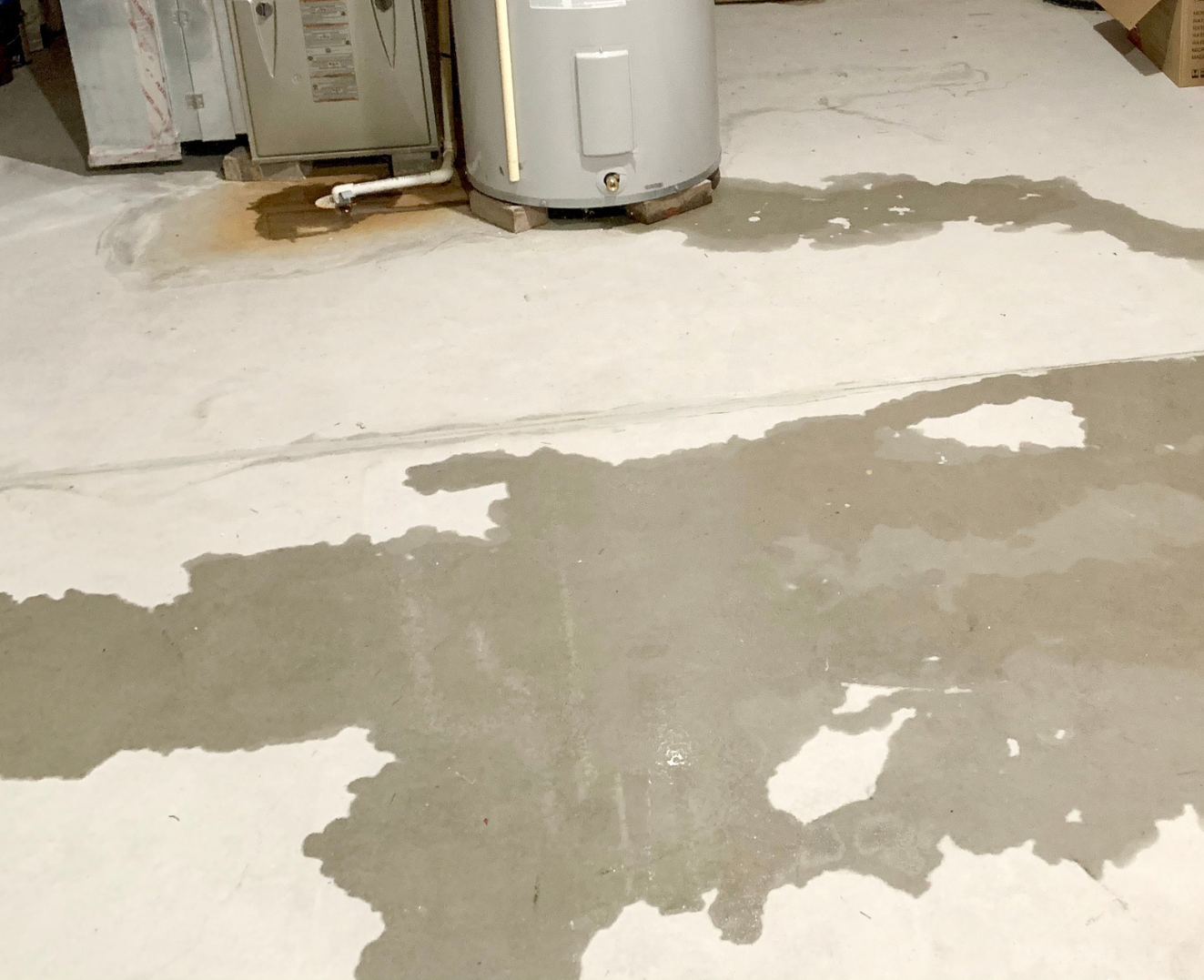
Spill Detection
Water on the floor is found when someone slips or the damage is already done. Clear Watch alerts while it's still spreading.
Standing water is a lawsuit on aisle four and a flood in the making by the sprinkler main — and it's usually noticed long after it starts. Clear Watch sees it while it's still a puddle.
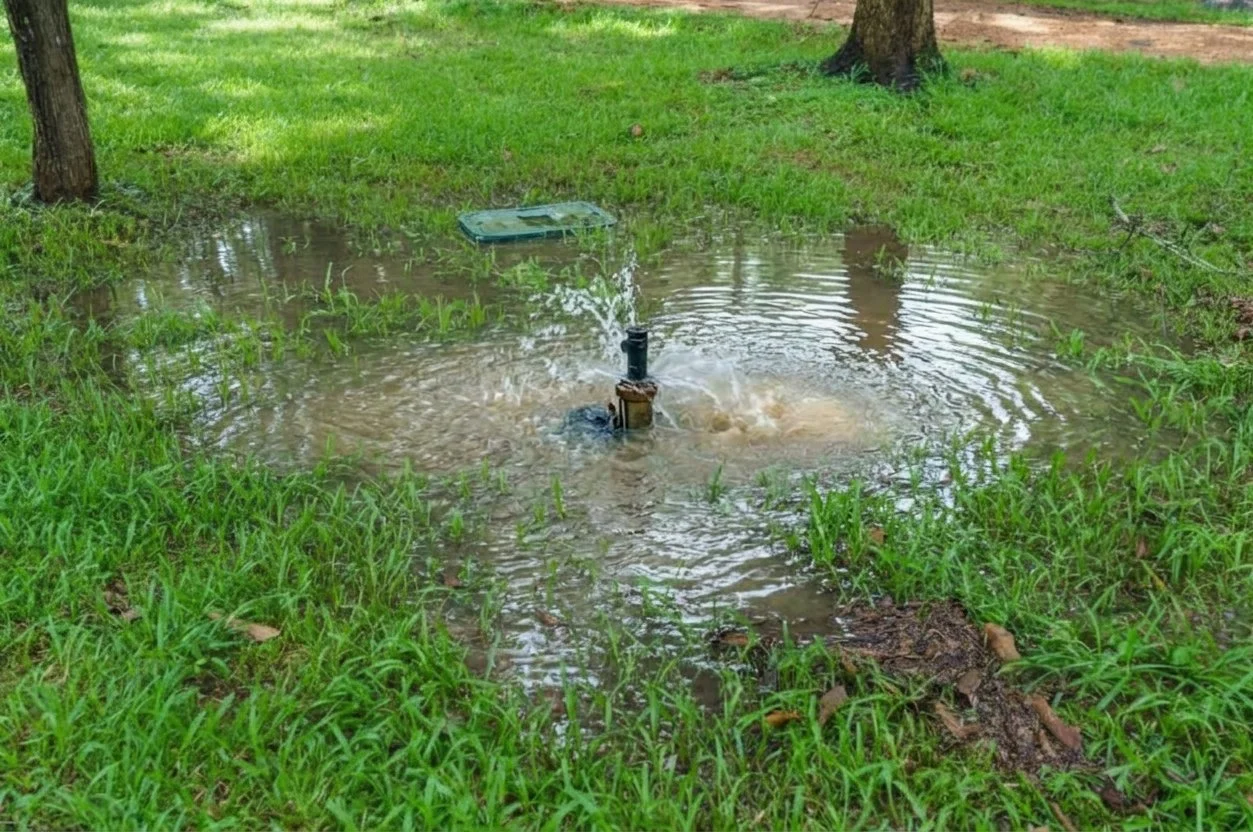
Spill Detection identifies water accumulating on the floor — from sprinkler malfunction, leaks, or spillage — and raises an alert as it happens. It attacks a problem defined by delay: standing water is both a slip-and-fall hazard and a direct threat to equipment and stock, and in warehouses, data centers, plants, and retail floors it's routinely discovered long after it began, once the damage or the injury has already happened.
You configure which floor areas are monitored and the minimum accumulation size before an event is raised, so a few drops don't page anyone but a spreading pool does. The detection is designed to distinguish genuine accumulation from reflections, shadows, and the wet marks left behind by cleaning — the visual noise that makes naive water detection unusable on real polished floors.
What It Does
Who Uses It
Retail & Grocery Stores
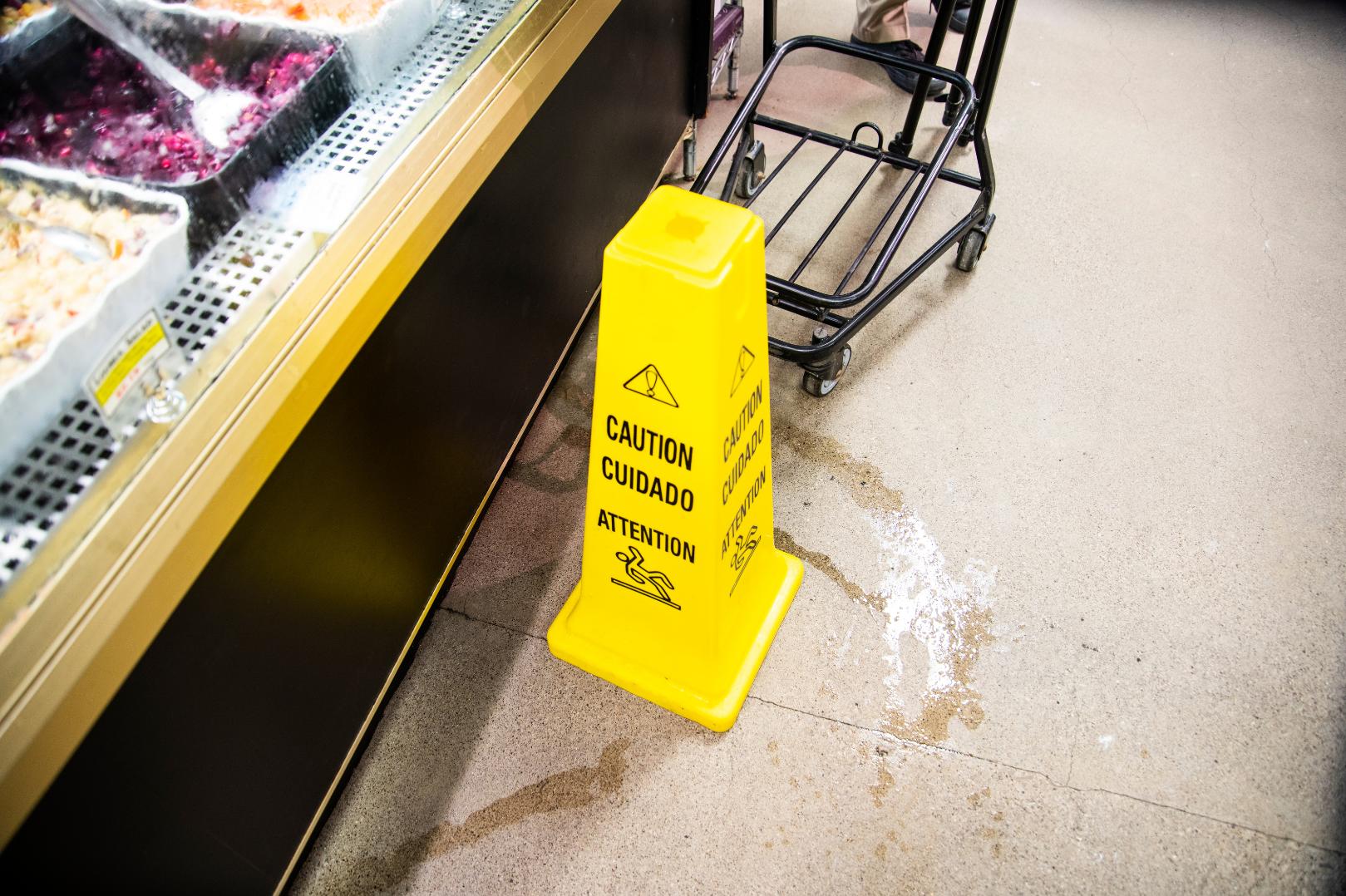
Slip-and-fall claims hinge on how long the hazard sat unaddressed. Detection timestamps the spill and summons a cleanup in minutes — cutting both the injury risk and the liability exposure.
- Spill timestamped the moment it appears — documented proof of rapid response for liability defense
- Cleanup dispatched in minutes, not discovered at the next associate walk-through
- High-traffic aisles and checkout areas monitored continuously, including peak hours when spills are most likely

Warehouses & Distribution Centers
A roof leak over racking or a burst line near stored product quietly ruins inventory overnight. Alerts catch the accumulation while it's still a mop job, not a claim.
- Overnight leaks caught before they reach inventory — the alert fires at 2 a.m., not at shift start
- Racking areas and product storage zones monitored continuously, including unoccupied hours
- Early detection turns a mop job into a maintenance call instead of a product loss and insurance claim

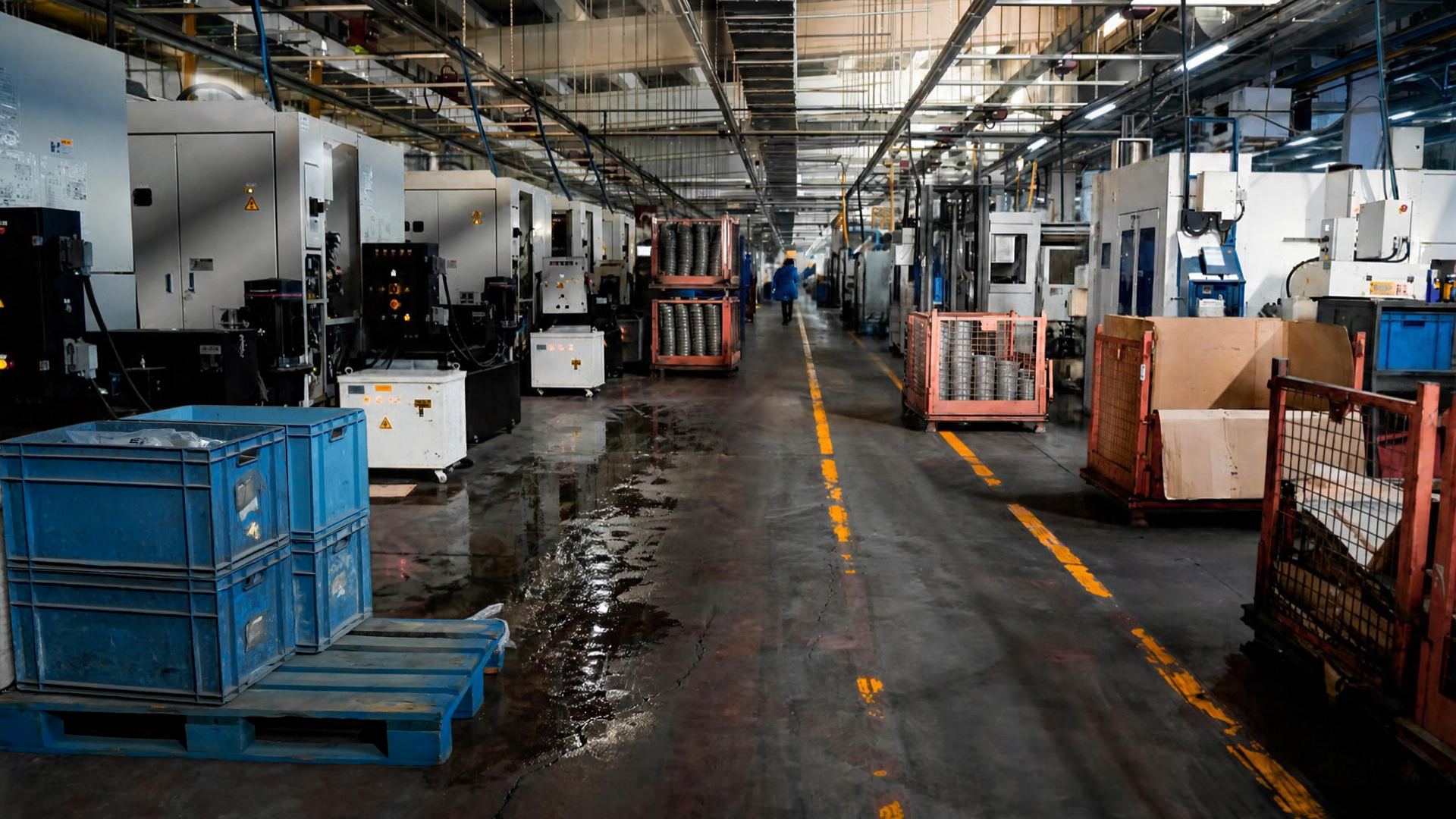
Data Centers & Server Rooms
Water near live equipment is an emergency measured in minutes. Floor monitoring adds a visual early-warning layer around cooling lines and sprinkler infrastructure.
- Cooling line and sprinkler areas monitored continuously — water detected before it reaches live equipment
- Alert fires in real time so response begins while the event is still containable
- Visual detection layer complements point sensors — coverage between sensor locations and in blind spots
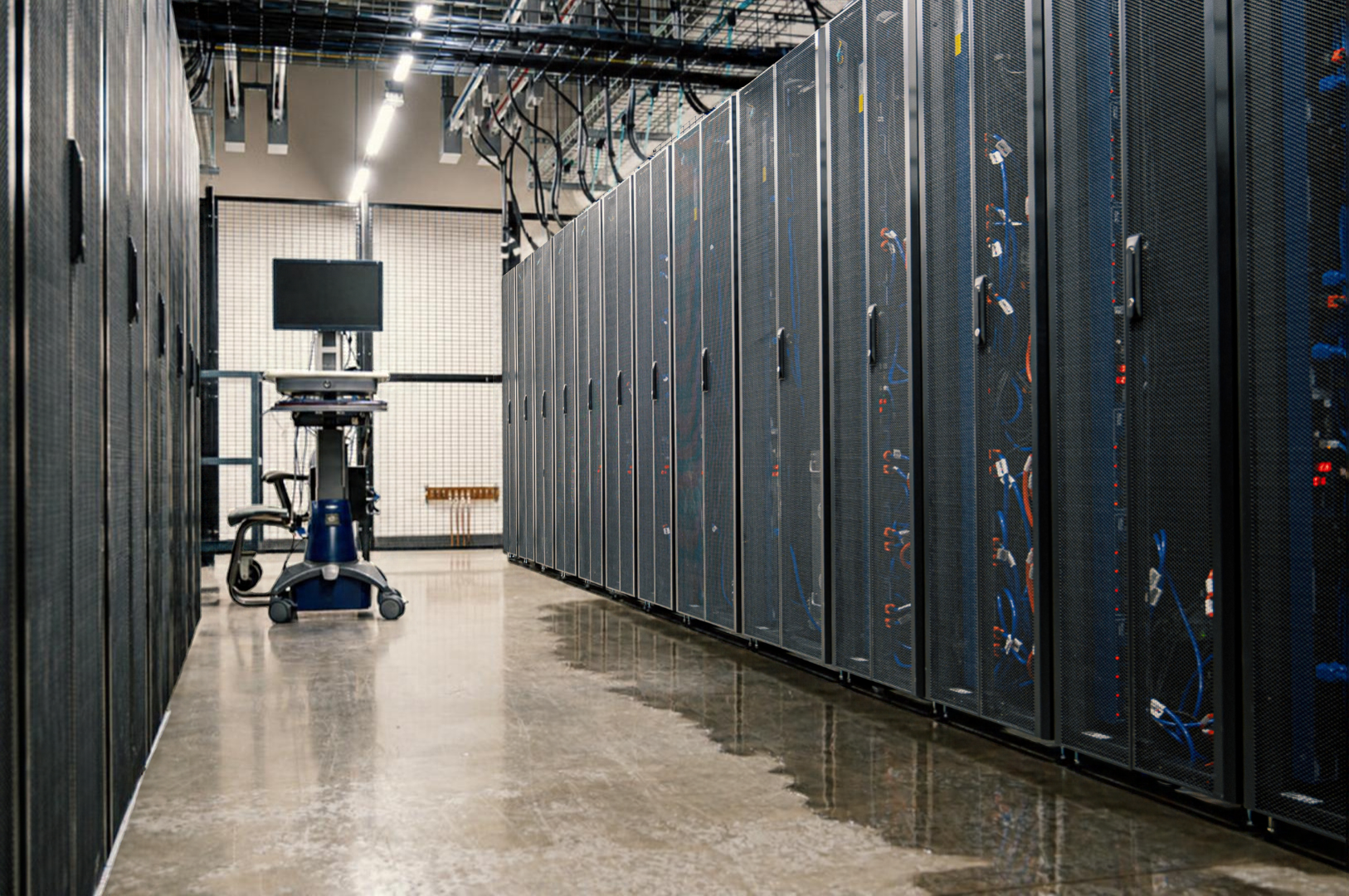
Manufacturing Plants
Process water and coolant on walkways cause falls, and leaks near electrical equipment stop production. Continuous floor monitoring covers the areas between housekeeping rounds.
- Walkway spills flagged between housekeeping rounds — not discovered when someone slips
- Leaks near electrical equipment detected before they become a production stoppage or safety incident
- Monitored zones configured around the specific areas where process water and coolant accumulate
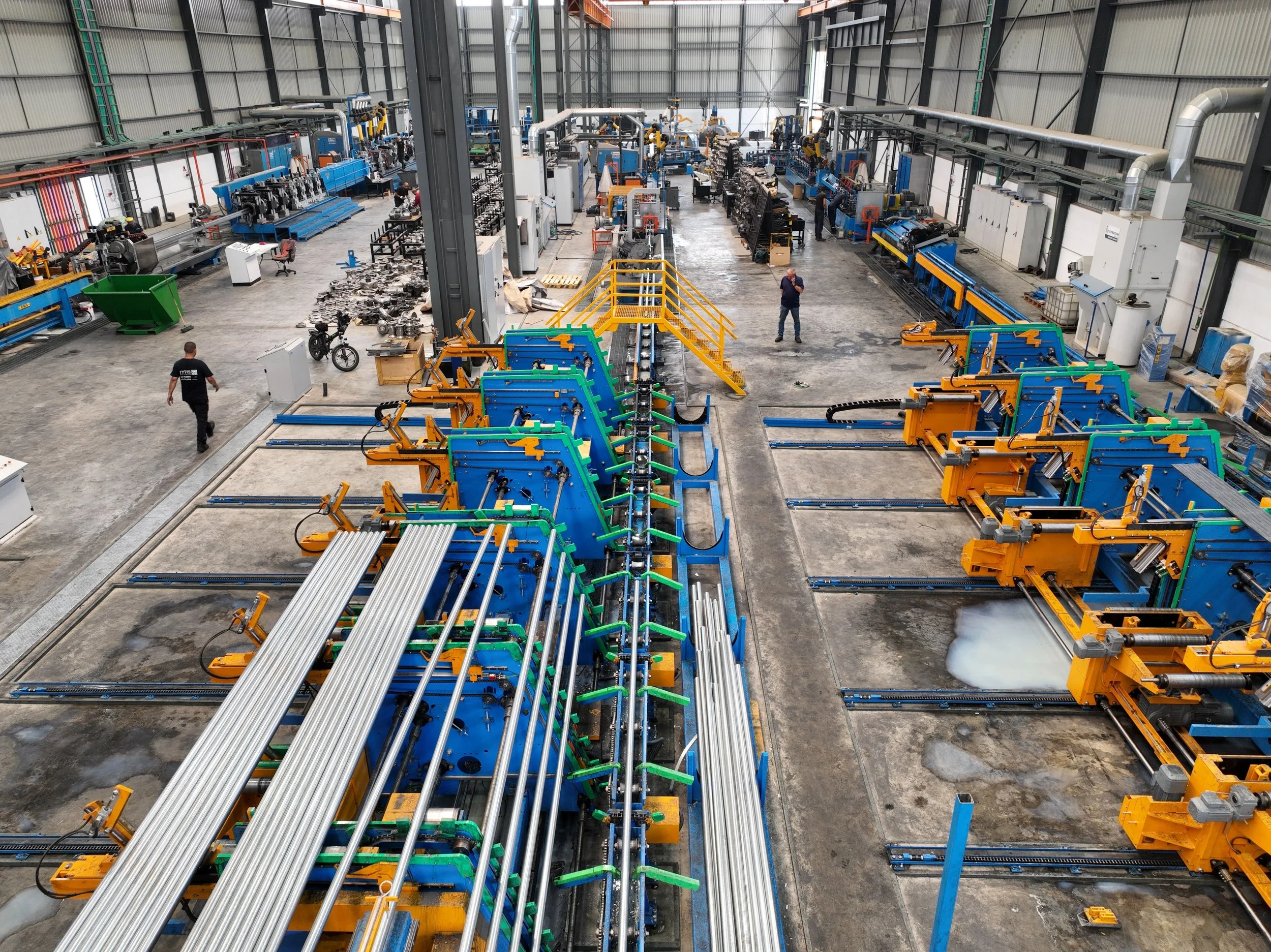
Facilities & Risk Managers
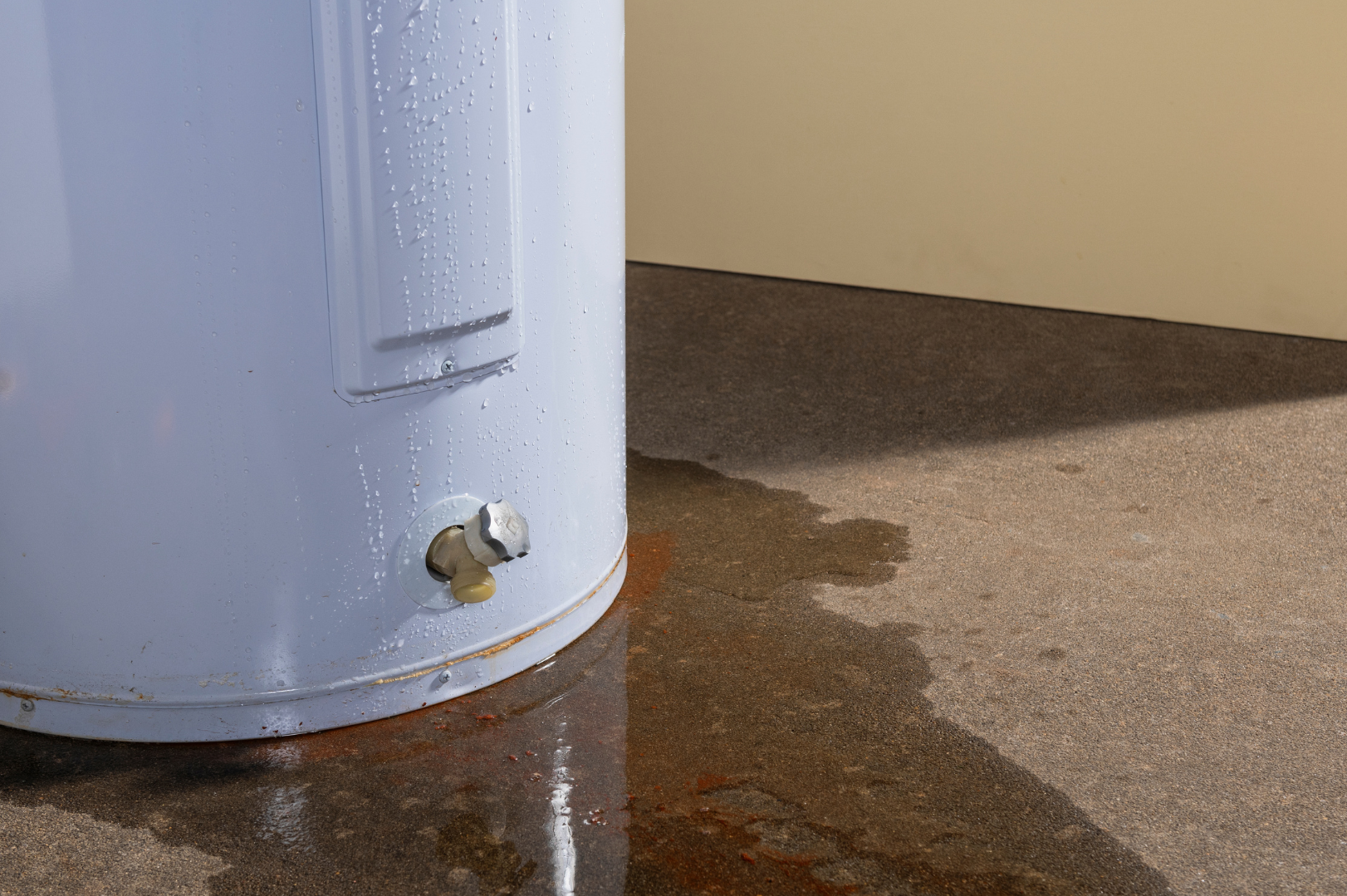
A sprinkler malfunction on a Sunday night is the difference between a service call and an insurance claim. After-hours detection with live monitoring means someone acts on it at 2 a.m.
- After-hours and weekend events reach a live monitoring operator — not a voicemail box
- Sprinkler malfunctions, pipe bursts, and HVAC leaks caught before they escalate to property damage
- Every event timestamped with video — documented response record for insurance and risk reporting
How It Works
When water accumulation is detected, the event streams to Clear Watch in real time. On-site staff and facilities teams get an immediate alert directing cleanup or shutoff, and Clear Watch's live monitoring operators verify the scene on video — so an after-hours sprinkler failure gets a real response at 2 a.m., not a discovery at opening. Every event is logged with video and a timestamp, documentation that matters in slip-and-fall claims and insurance recovery.
FAQs
-
The detection is specifically designed to distinguish genuine water accumulation from reflections, shadows, and wet marks left by cleaning, so alerts represent real standing water.
-
Yes. Monitored floor areas and the minimum accumulation size before an event is raised are configurable, so minor drips don't alert but a spreading pool does.
-
Yes. Every detection is a timestamped, video-backed record of when the hazard appeared and how quickly it was addressed — evidence of a reasonable, documented response process, which is central to defending premises-liability claims.
Stop the Slip-And-Fall Before It Happens and the Flood Before It Spreads
GET STARTED
Spill Detection runs on your existing camera infrastructure, configured per zone with a minimum accumulation threshold so minor drips don't page anyone but a spreading pool does. After-hours events reach a live Clear Watch operator — not a voicemail.