
Vehicle Queue Management
Queue length and wait time measured continuously per lane — at drive-thrus, toll plazas, gates, and intersections.
Every car in a line is a customer deciding whether to stay. Clear Watch Vehicle Queue Management measures how many vehicles are waiting and how long — in real time, lane by lane.
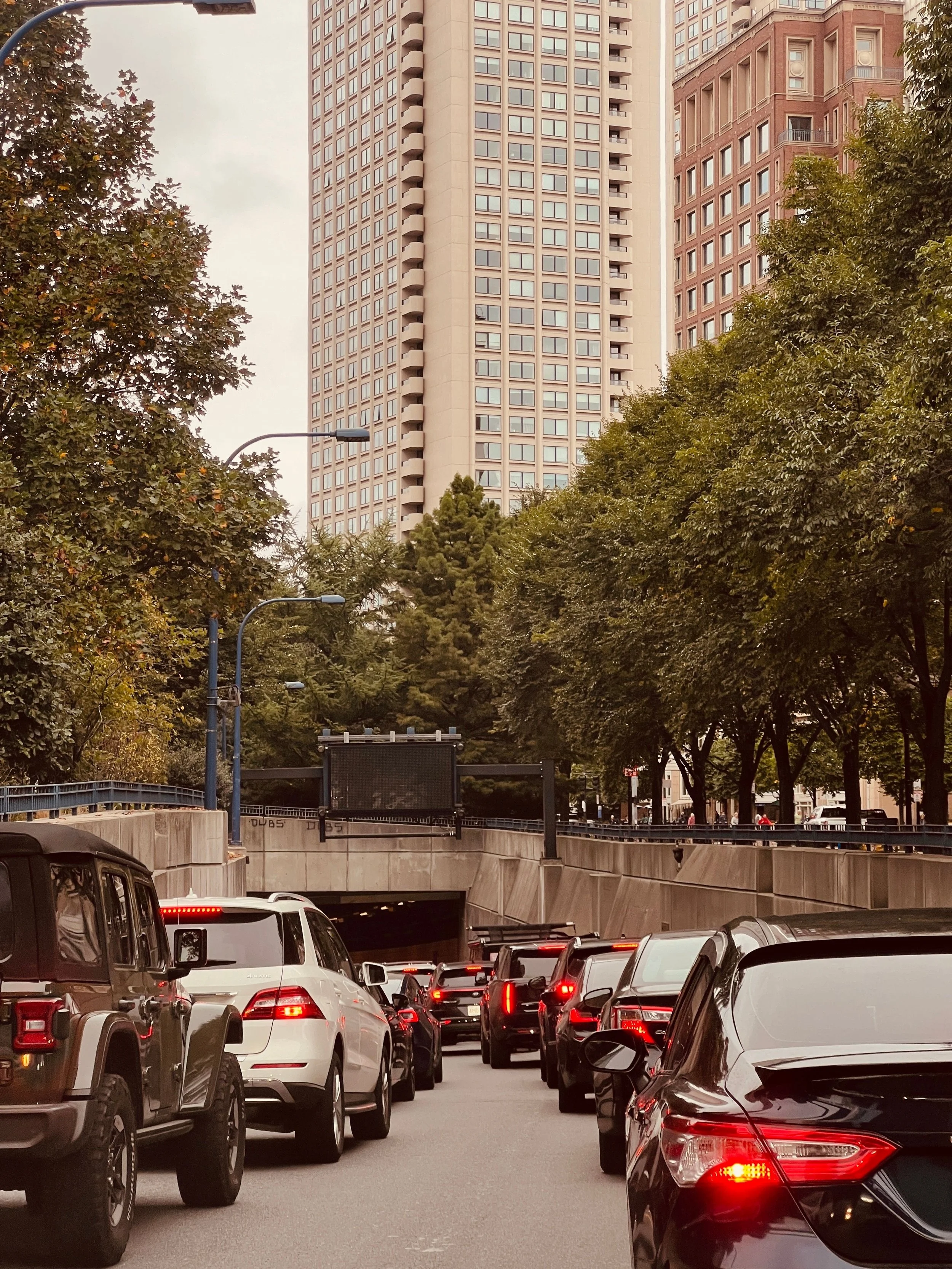
Vehicle Queue Management analyzes vehicle lines — at intersections, drive-thrus, toll plazas, and gates — and delivers two numbers in real time: how many vehicles are waiting, and the total waiting time. It's built for the places where queue length is the measure that matters rather than a simple vehicle count: a hundred cars passing smoothly is a good day, while twelve cars stacked and stopped is a problem right now.
Queue zones are configured per lane, so each drive-thru lane, toll booth approach, or gate lane reports its own line. The measurement is maintained when vehicles move intermittently — stop-and-go creep is reported as a single continuous queue rather than resetting every time the line inches forward, which is exactly the behavior real queues have. Live figures drive immediate decisions like opening a lane, and the history shows where and when your queues actually build.
What It Does
Who Uses It
Drive-Thru & Quick-Service Operators
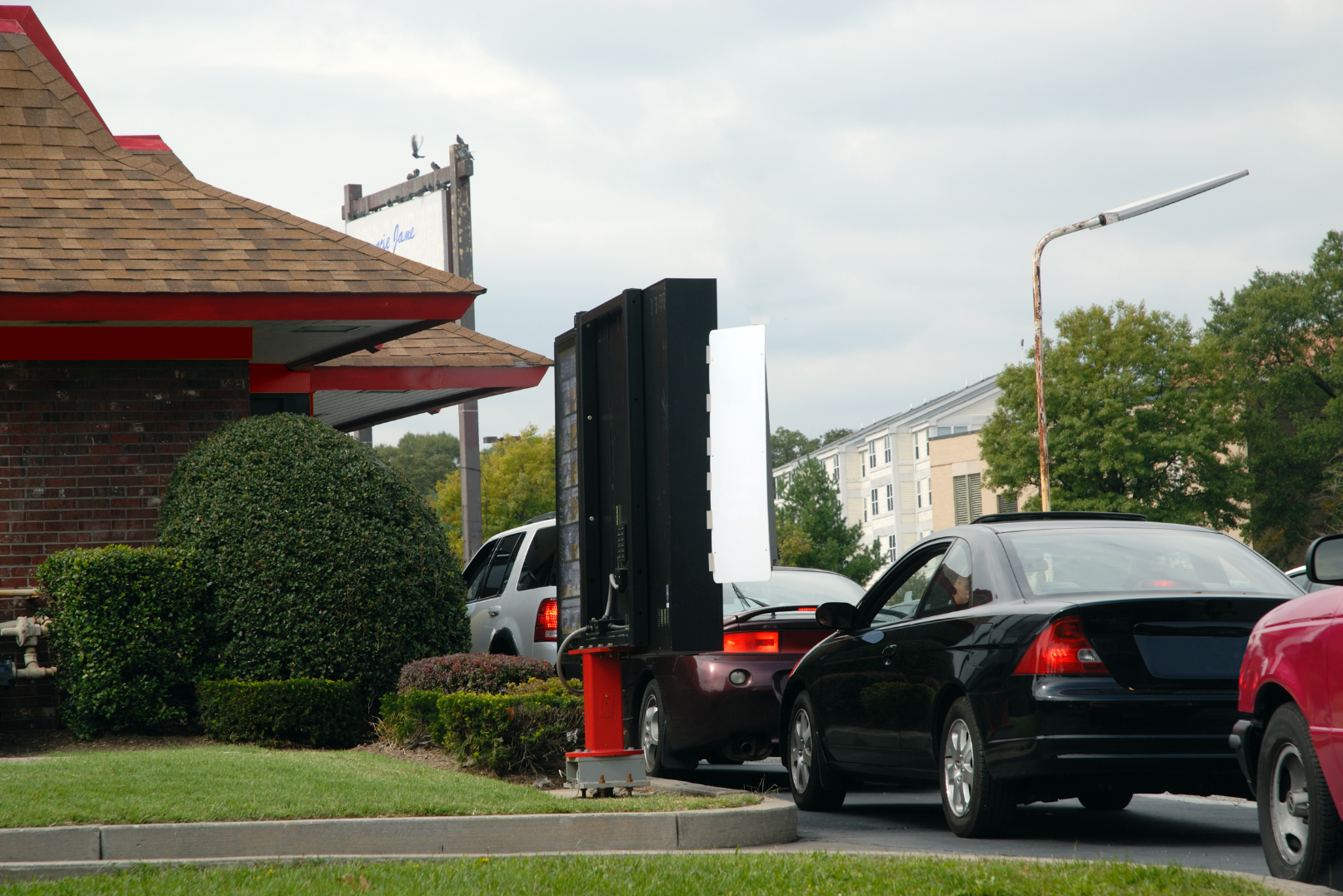
The moment the line hits your threshold, staff know to open the second window or send a runner outside — before cars start pulling out of line and taking their order elsewhere.
- Queue length alerts trigger staff action before wait times reach the abandonment point
- Second window or curbside deployment timed to the actual line — not a manager's guess
- Wait-time history shows which dayparts need staffing changes and which are already covered
Municipalities & Traffic Engineers
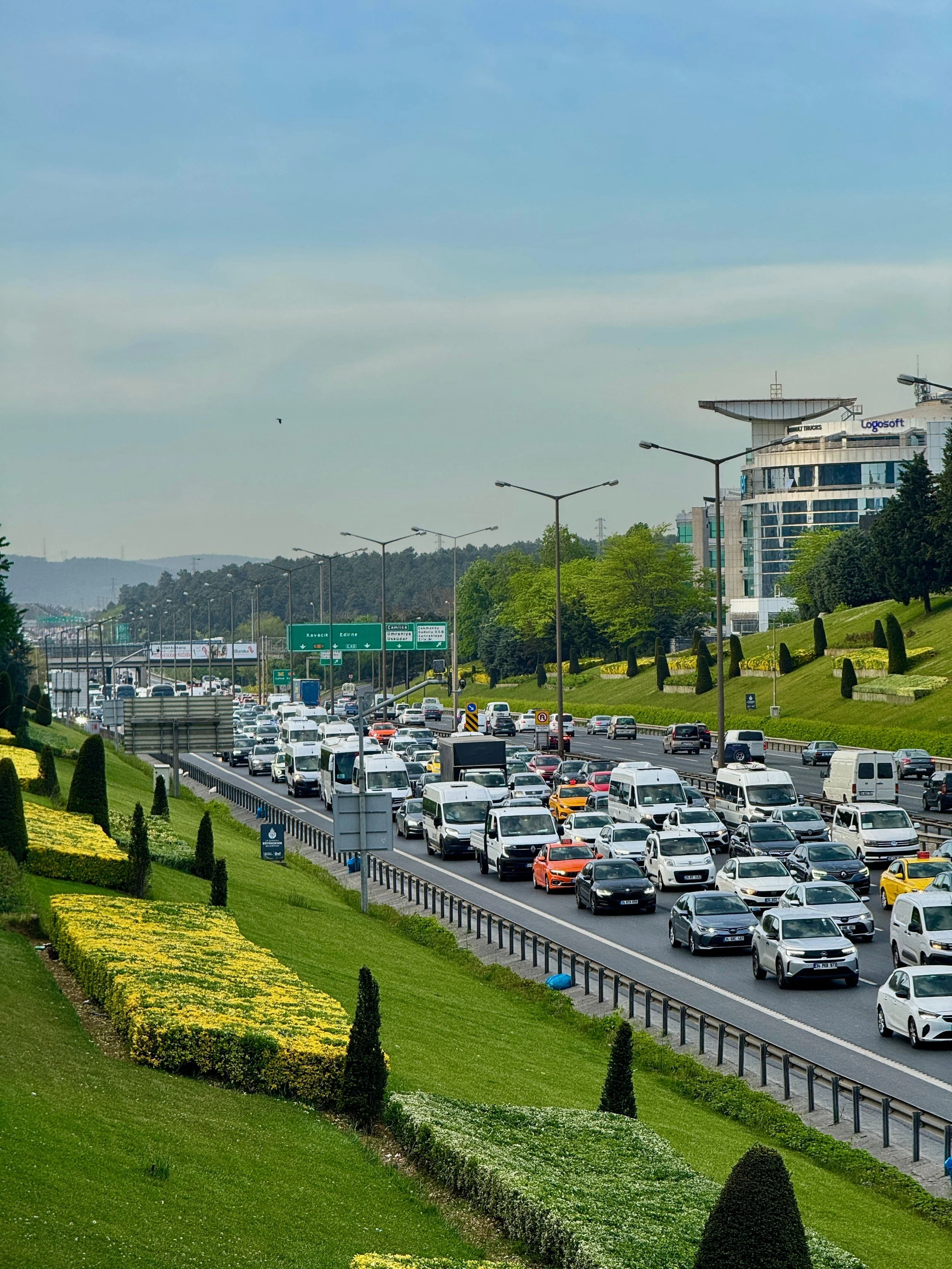
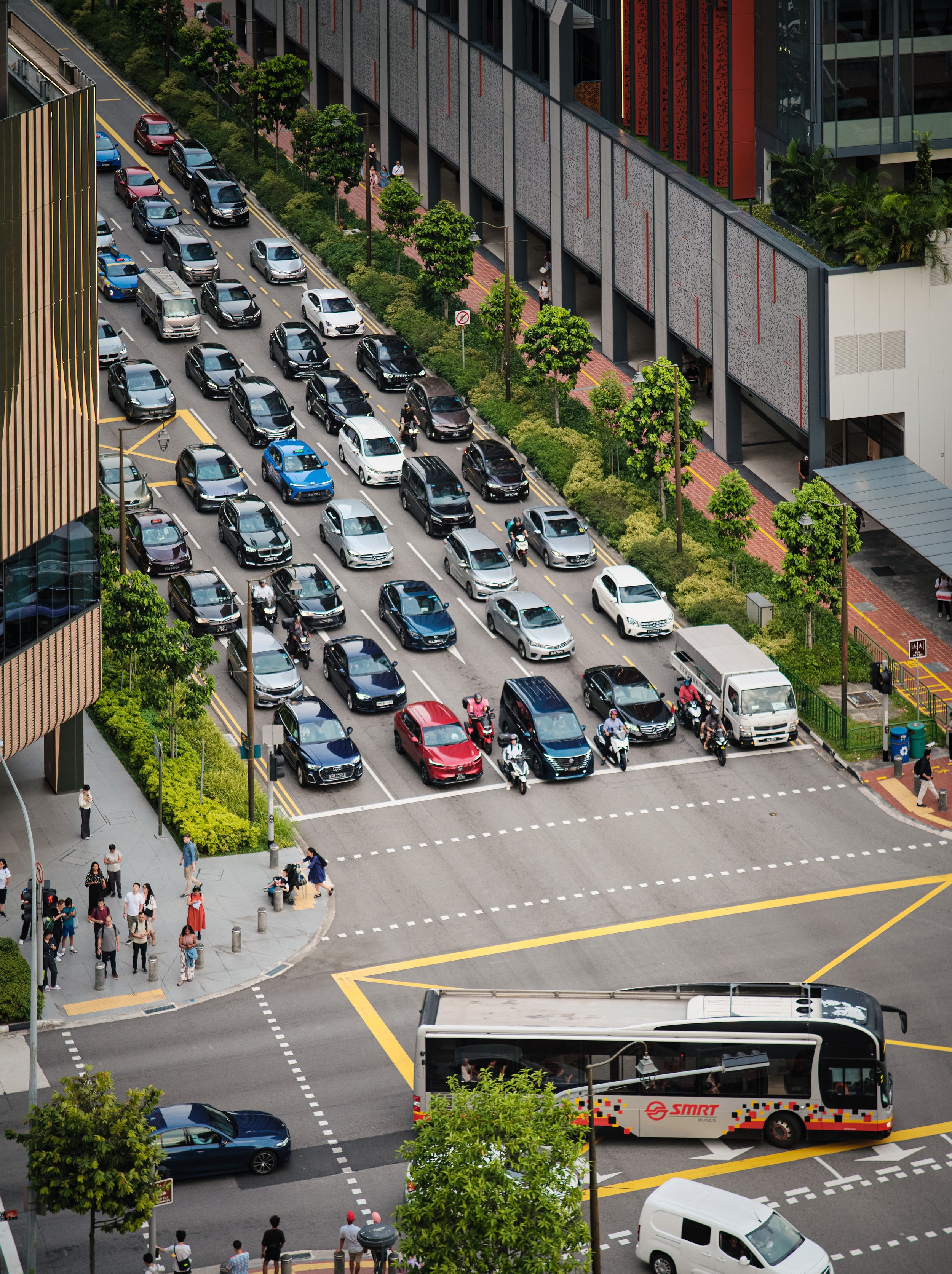
Real-time queue length and waiting time at intersections is the input signal optimization actually needs — measured continuously, not sampled in a one-week study.
- Continuous queue measurement replaces periodic manual studies at key intersections
- Real-time signal timing adjustments driven by actual queue length, not fixed cycles
- Historical wait-time data supports infrastructure planning and grant documentation
Toll & Bridge Operators
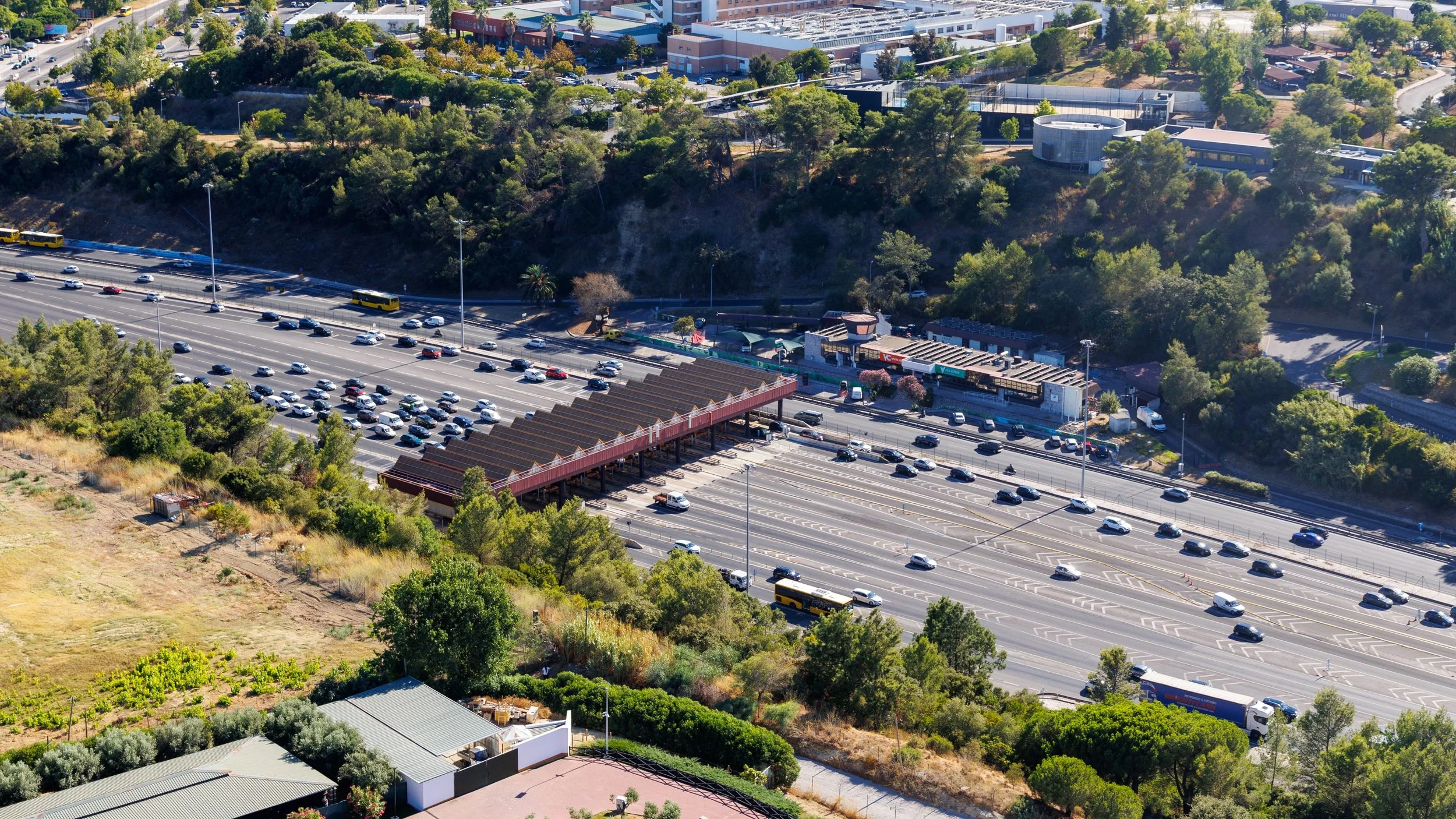
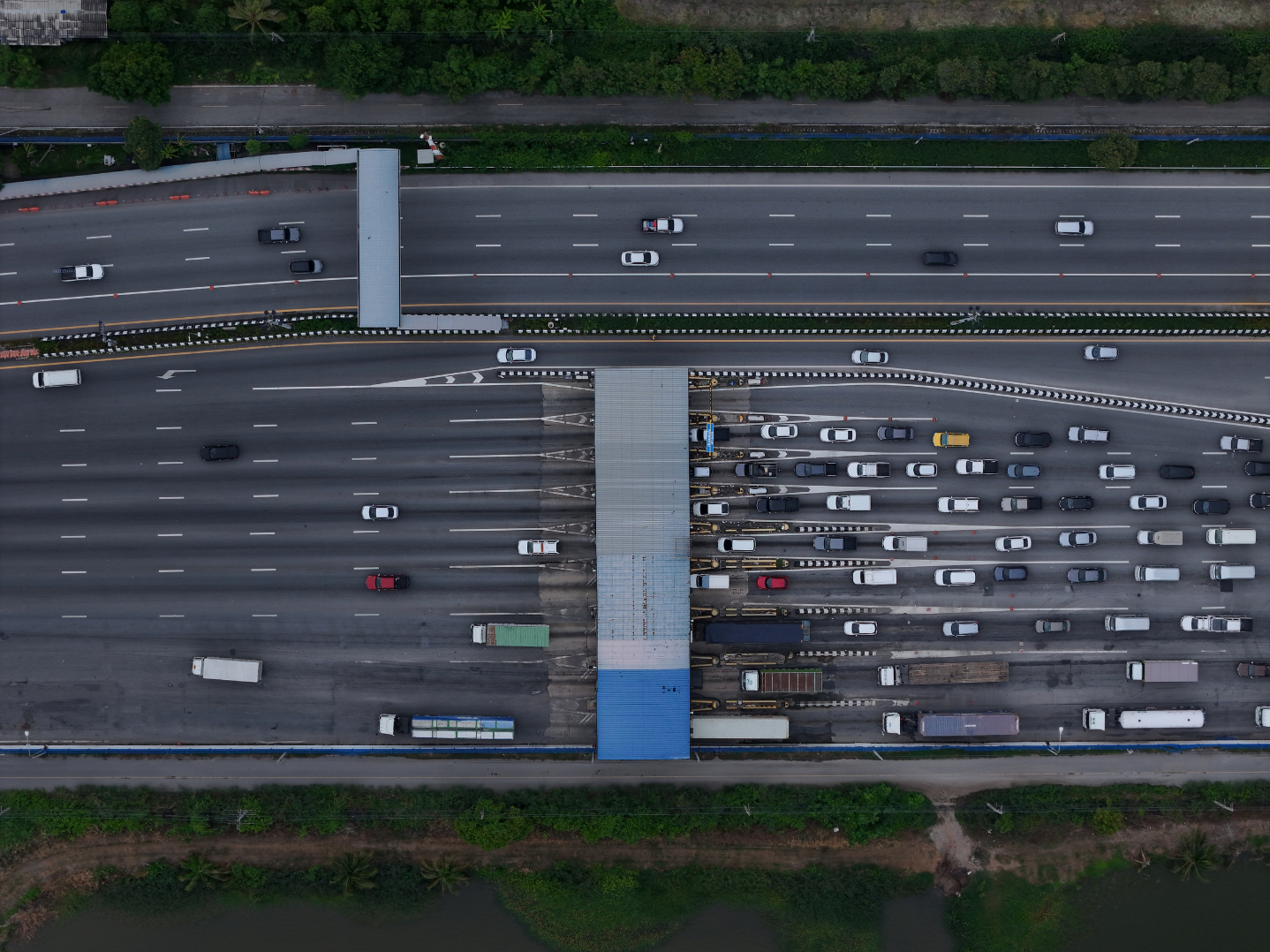
See queues building per lane and open capacity before the backup reaches the highway. Historical wait-time data documents service levels for the authorities you answer to.
- Per-lane queue monitoring triggers capacity opening before backups hit the highway
- Wait-time data by lane and time of day documents service levels for regulators
- Historical records support performance reporting and infrastructure investment cases
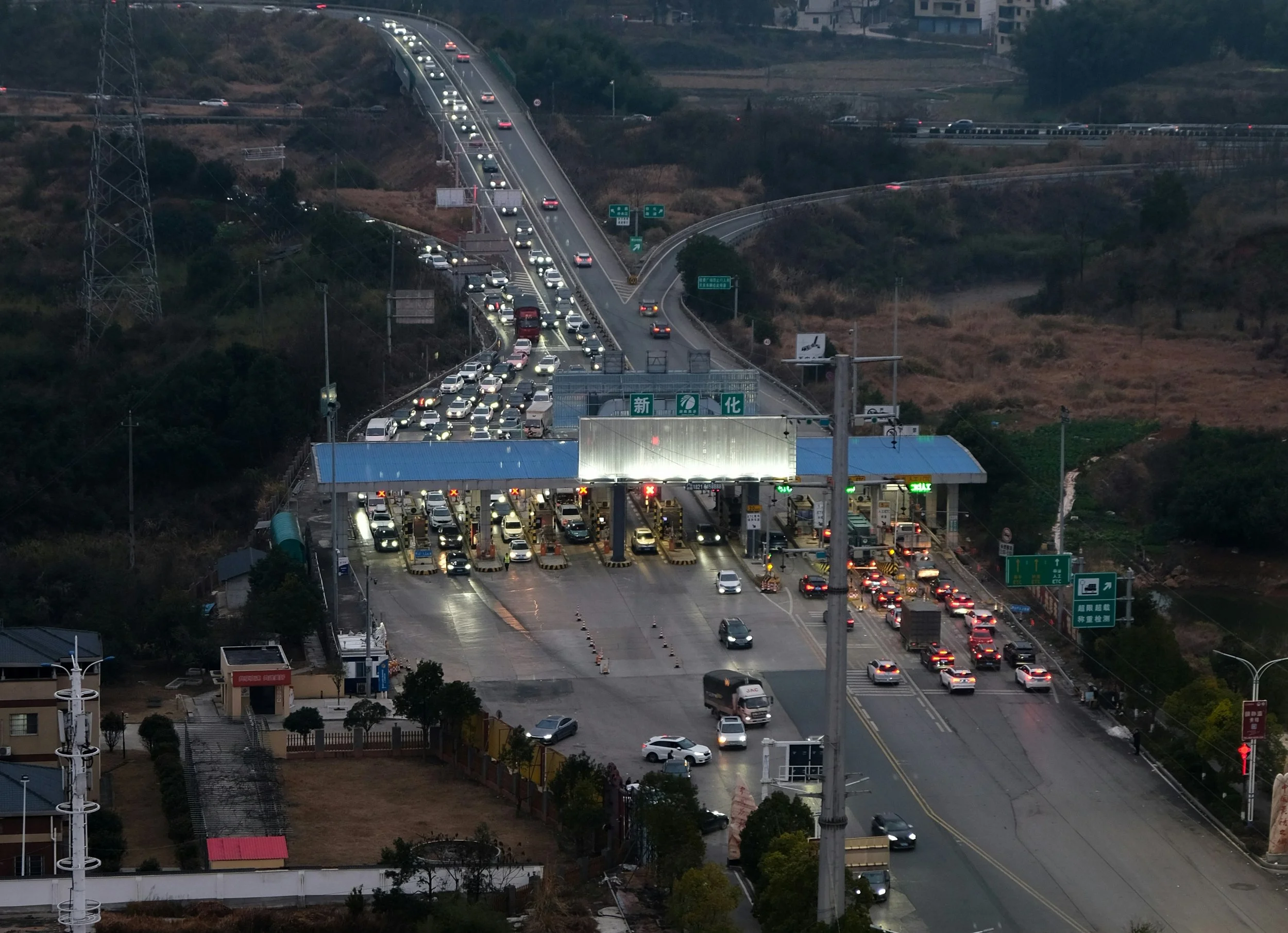
Logistics Yards & Distribution Centers
Trucks idling at the gate are detention fees and missed dock appointments. Live queue counts trigger a second check-in lane and give you the wait-time record when carriers dispute charges.
- Gate queue alerts trigger second check-in lane before detention clock runs up
- Wait-time records by truck and time of day ready for carrier dispute resolution
- Dock appointment scheduling informed by actual gate throughput data
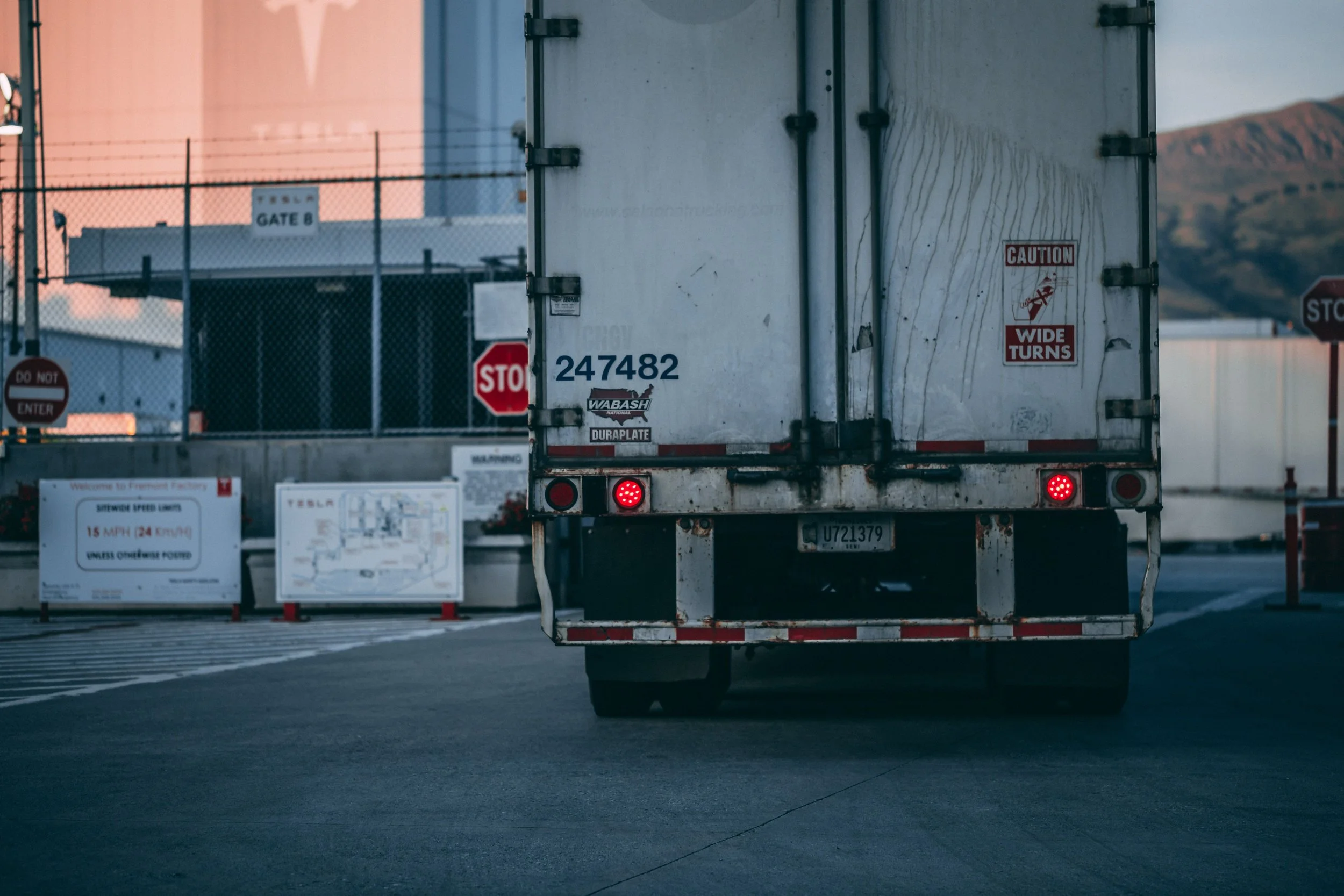
Parking Facilities & Campuses
Measure entry-lane backups at peak arrival so you know whether the fix is another open gate, faster validation, or better arrival spread — and prove it worked afterwards.
- Entry-lane queue length measured continuously at peak arrival windows
- Data distinguishes whether the bottleneck is gate capacity, validation speed, or volume
- Before-and-after wait times document whether operational changes actually worked

How It Works
Queue management runs on the same monitored Clear Watch cameras that secure your site — operations intelligence during the day, security after hours. Live queue figures reach the people who can open a lane or adjust a signal right now, wait-time history feeds staffing and design decisions, and the identical cameras roll into Clear Watch's 24/7 monitored protection when the queues go home for the night.
FAQs
-
The number of vehicles waiting in a line and the total waiting time, delivered in real time. Queue zones are configured per lane, so each lane reports independently.
-
No. The measurement is maintained when vehicles move intermittently, so a line that creeps forward is reported as a single continuous queue instead of resetting with every movement.
-
Yes. Because queue length and wait time are delivered in real time, thresholds can drive live notifications to your team — the point is acting on the queue while it's happening, not reading about it tomorrow.
Know the Line Length Before It Becomes a Problem
GET STARTED
Queue management runs on the same Clear Watch cameras that secure your site after hours — live intelligence during the day, monitored protection at night. Queue figures reach your team in real time so staff can open a lane, adjust a signal, or dispatch a runner while the queue is still manageable. Wait-time history feeds the staffing and design decisions that prevent the next one.