
Road Pedestrian Detection
Road Pedestrian Detection
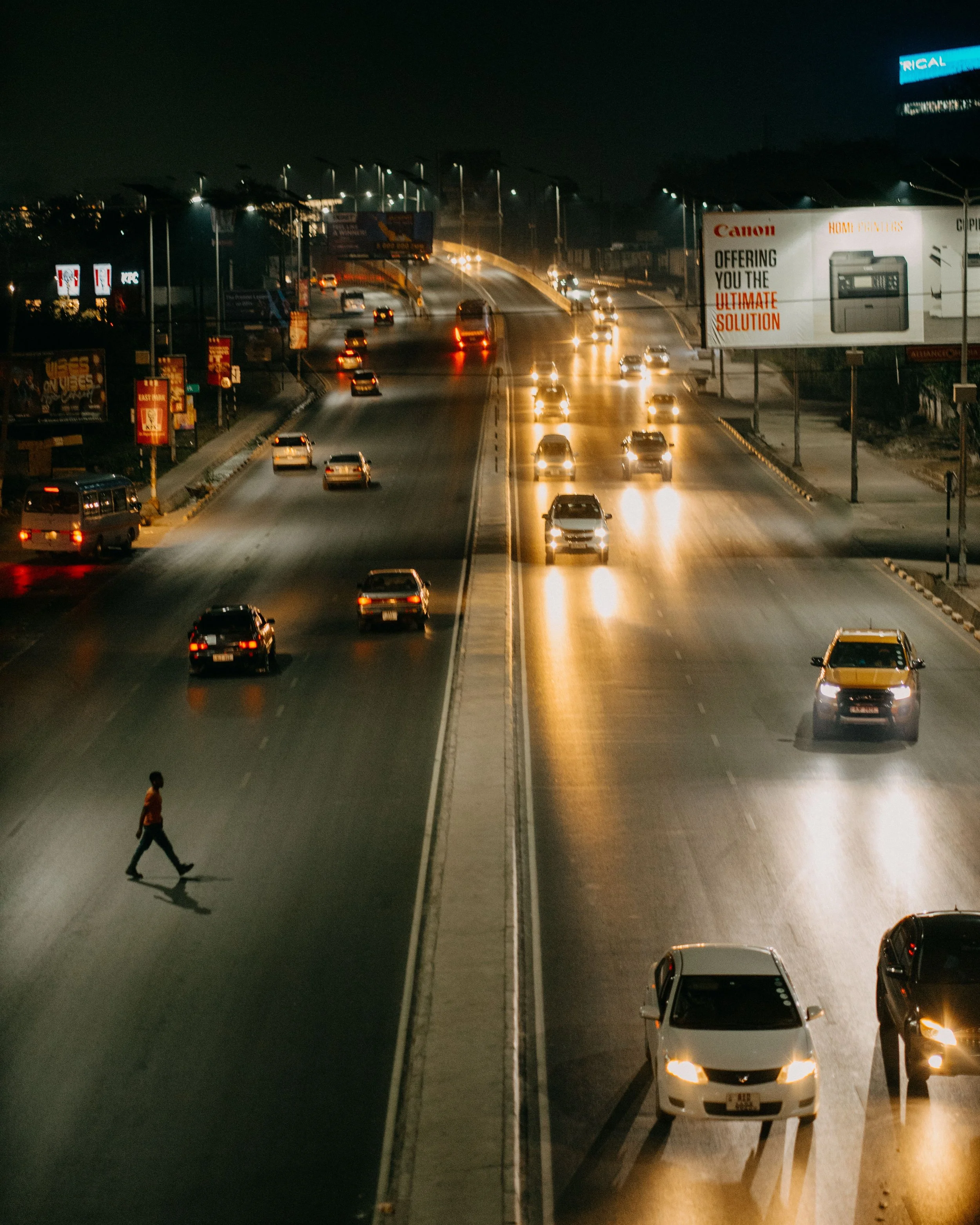
Built for the places where a person on foot and a moving vehicle cannot share the same space. Detection fires the moment someone enters, so response starts before they're in danger.
A person on foot in a tunnel or on a highway is minutes — sometimes seconds — from tragedy. Clear Watch Road Pedestrian Detection spots them the moment they enter the roadway, so response starts before impact.
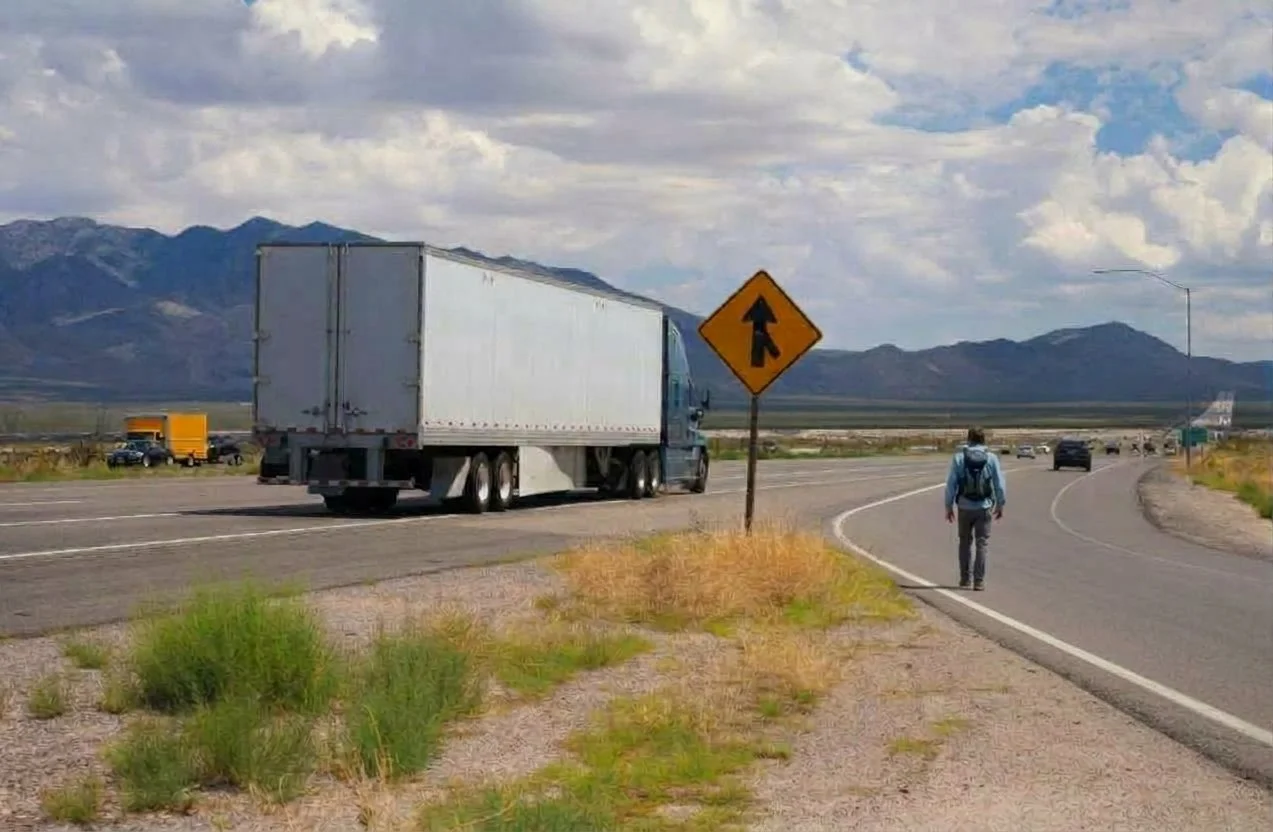
Road Pedestrian Detection identifies people on foot in areas where pedestrians are not permitted: automobile-only roads, bridges, tunnels, and ramps. The purpose is time — giving a control center the chance to respond before a pedestrian on the carriageway becomes a collision. It's equally built for the common case behind many of these events: detecting people who have left a broken-down vehicle and are now standing or walking in live traffic.
Monitored zones are configured to cover the carriageway and the hard shoulder separately, so a person on the shoulder and a person in a live lane can be treated with different urgency. A filtering process keeps roadside workers in designated areas from generating continuous events, which means the alerts that do fire represent real intrusions — the kind operators must act on every time, not learn to ignore.
What It Does
Who Uses It
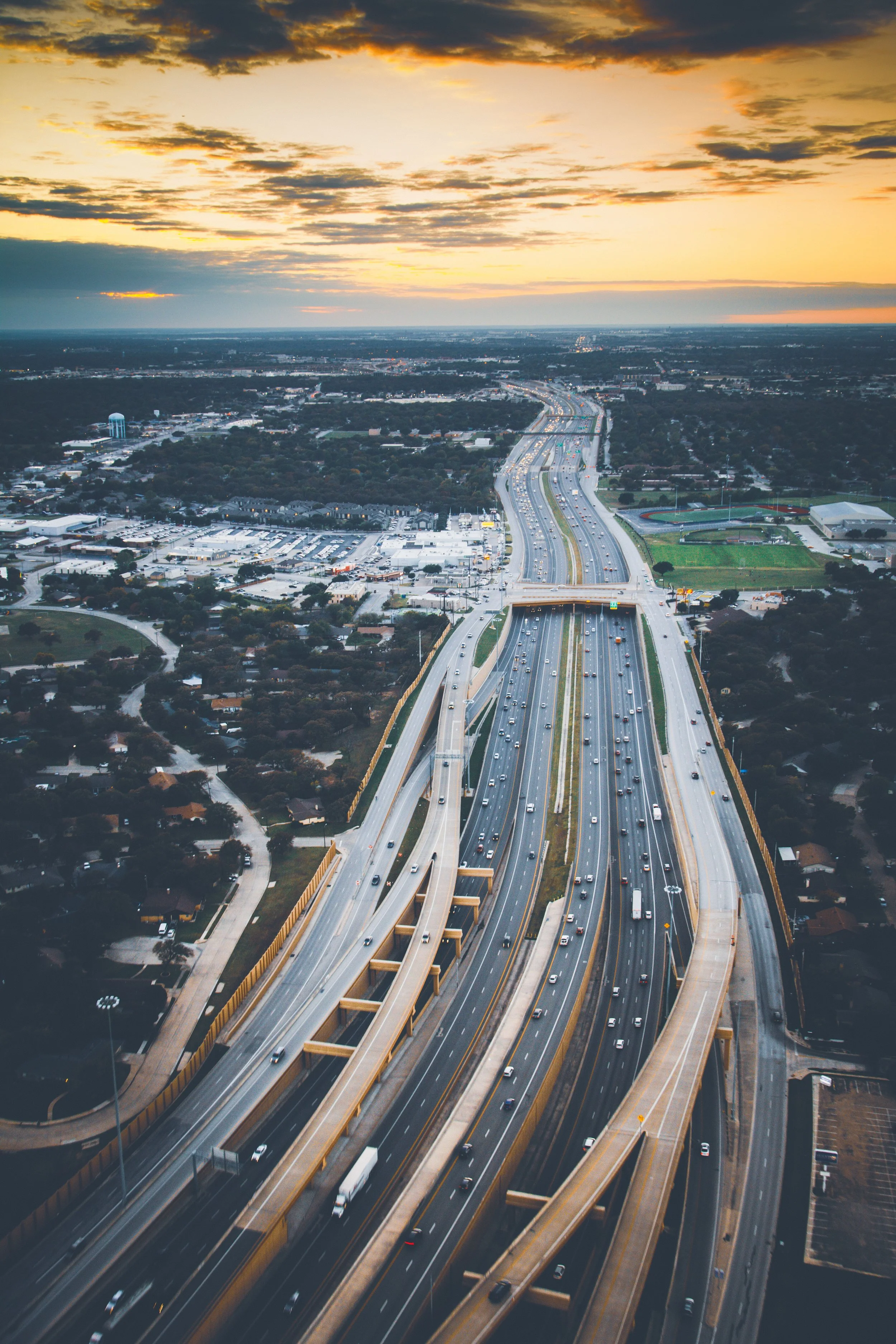
Highway & Toll Road Operators
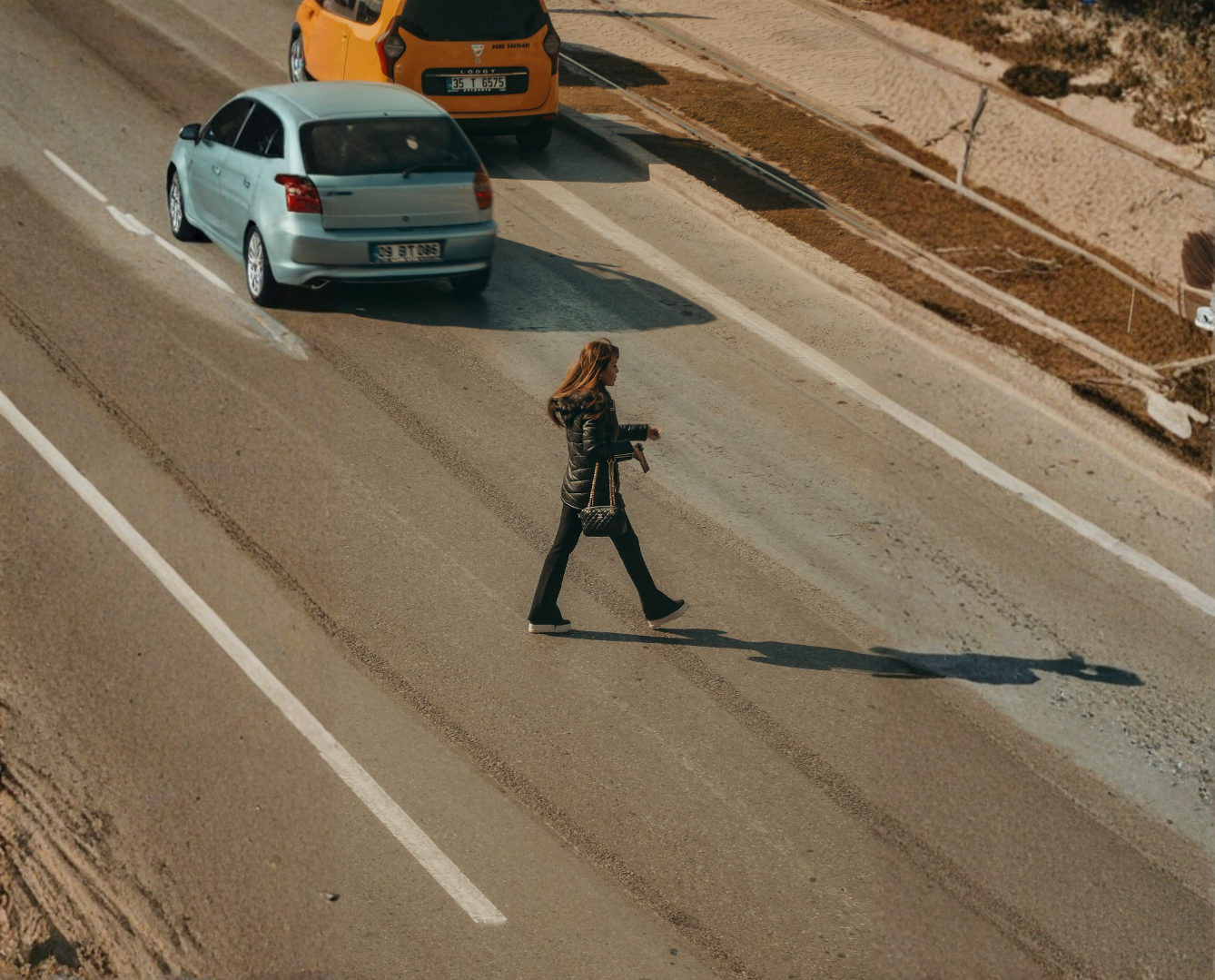
A stranded motorist walking the shoulder toward an overpass is a fatality statistic in the making. Detection turns that into an immediate control-room event with a location, while there's still time to slow traffic and dispatch assistance.
- Shoulder pedestrian detected and control room alerted while traffic can still be slowed
- Location data included with the alert — responders know where to go before they dispatch
- Covers highway shoulders, overpass approaches, and toll plaza pedestrian exposure zones
Tunnel Authorities
In a tunnel there is no shoulder to escape to and no sight line for approaching drivers. A pedestrian detected at the portal or inside the bore justifies immediate signage, lane closure, and response.
- Pedestrian at portal or inside bore triggers immediate signage and lane closure protocols
- No sight line for drivers means response must begin before anyone behind the wheel can react
- Covers tunnel portals, bore entry points, and emergency access corridors

Bridge Operators & Municipalities
Detect people entering vehicle-only bridge decks and approaches — whether disoriented, stranded, or in crisis — early enough for responders to reach them.
- Pedestrian on bridge deck detected at first entry — not after they've reached the span
- Early detection gives responders time to reach the person before the situation escalates
- Covers vehicle-only deck approaches, on-ramp access points, and restricted bridge zones

Airports & Logistics Campuses
Perimeter roads, ramps, and vehicle-only service corridors move fast traffic through places pedestrians occasionally wander. Detection flags the person before a vehicle rounds the curve.
- Pedestrian flagged in vehicle-only corridors before fast-moving traffic reaches them
- Covers perimeter service roads, airside ramps, and logistics campus access corridors
- Alert fires in time for a voice-down or barrier response — not a post-incident report

Parking Structures & Campus Operators
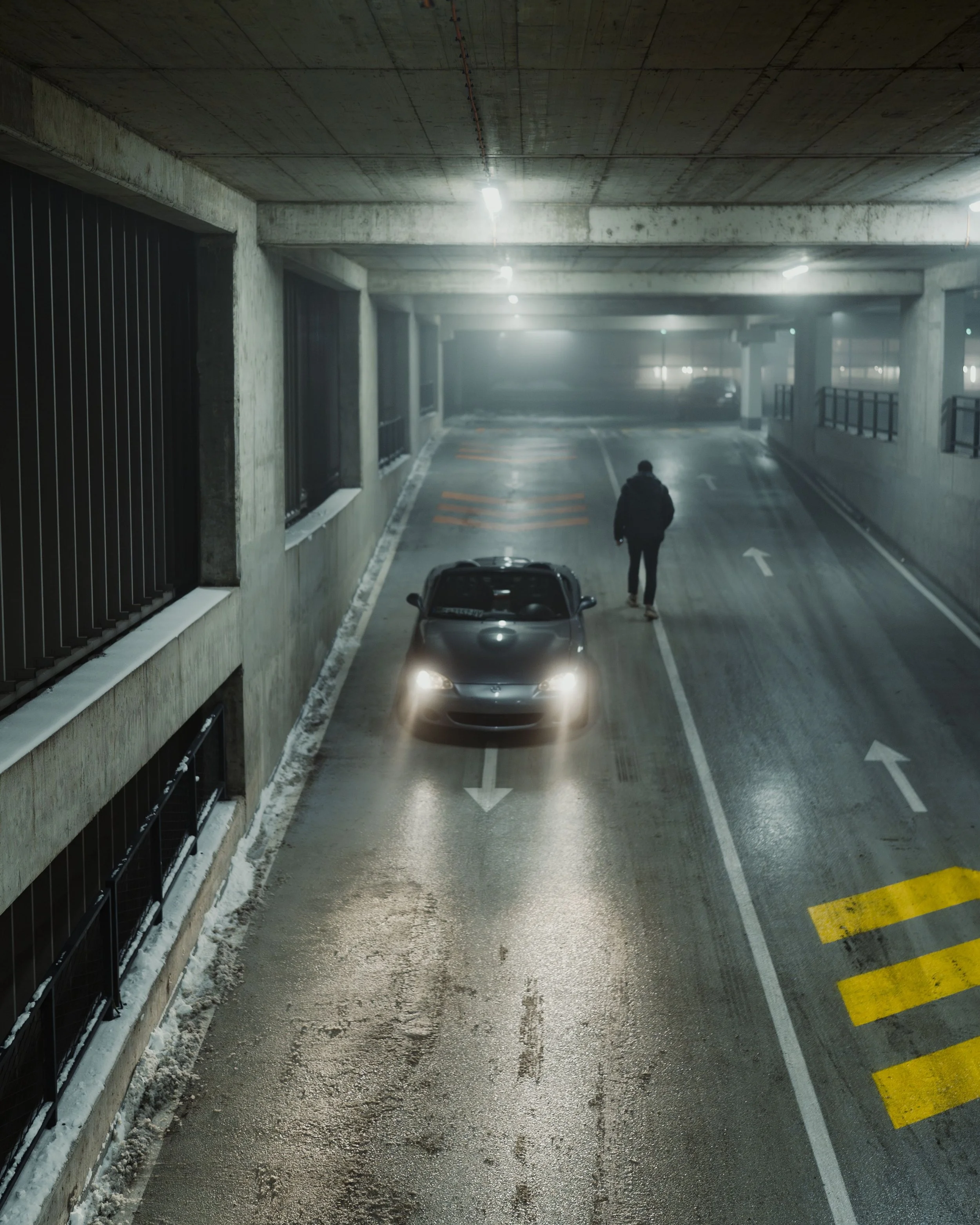
Vehicle-only ramps and blind spiral exits are where pedestrians take shortcuts. An alert on foot traffic in those lanes prevents the collision your signage alone hasn't.
- Foot traffic in vehicle-only ramps and spiral exits detected and flagged immediately
- Alert fires before the vehicle rounds the blind curve — signage alone doesn't do that
- Covers garage ramps, spiral exits, and vehicle-only campus road segments
How It Works
This is detection where every second is the margin. The moment a pedestrian enters a monitored roadway zone, the event streams to Clear Watch's 24/7 monitoring operators, who assess the live video, issue a live audio voice-down where speakers are available to direct the person to safety, and escalate immediately — alerting your control center or dispatching emergency response, including direct digital 911 delivery. The goal is simple: response is already moving before traffic arrives.
FAQs
-
No. A filtering process is applied so that roadside workers in designated areas do not generate continuous events — alerts are reserved for people who shouldn't be there.
-
Yes. Monitored zones are configured to cover the carriageway and hard shoulder separately, so a person on the shoulder and a person in traffic can carry different urgency.
-
The event reaches Clear Watch's live monitoring operators immediately. They verify on live video and escalate — voice-down where speakers exist, notification to your control center, and emergency dispatch including direct digital 911 delivery when a life is at risk.

Spot the Person on the Roadway Before Tragedy Occurs
GET STARTED
The moment a pedestrian enters a monitored roadway zone, the event streams to Clear Watch's 24/7 monitoring operators, who verify on live video, issue a voice-down where speakers are available, and escalate immediately — alerting your control center and dispatching emergency response, including direct digital 911 delivery. The goal is simple: response is already moving before traffic arrives.