
Thermal Intrusion Detection
Detection that works on heat, not light — so unlit perimeters, remote sites, and bad-weather nights get the same coverage as a floodlit front gate at noon.
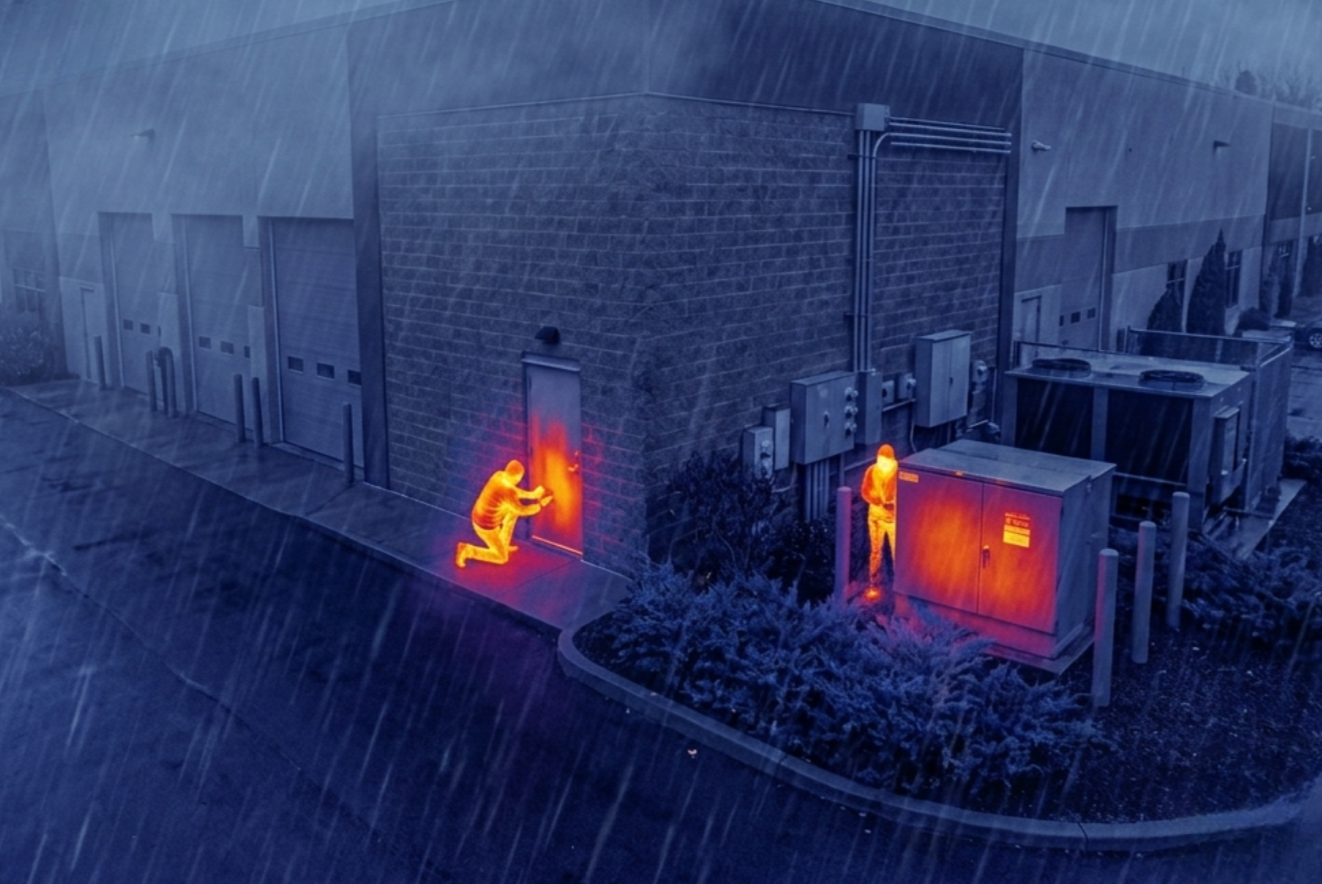
Intruders pick the nights your cameras see worst — pitch dark, fog, driving rain. Thermal Intrusion Detection doesn't need light. It finds people by the heat they can't hide.
Thermal Intrusion Detection is dedicated human detection built on thermal camera imagery. Because it works from heat rather than visible light, it identifies and monitors people in the conditions that defeat an ordinary camera — total darkness, poor weather, low-visibility scenes — and keeps intrusion detection dependable across every hour and season your perimeter is exposed.
The detection is purpose-built for security and surveillance on thermal footage: it monitors for human presence and raises intrusion events when someone appears where no one should be. For unlit perimeters and remote sites, that means genuine detection coverage without floodlighting the property — and without the false alarms that visible-light systems generate when the scene degrades.
What It Does
Who Uses It
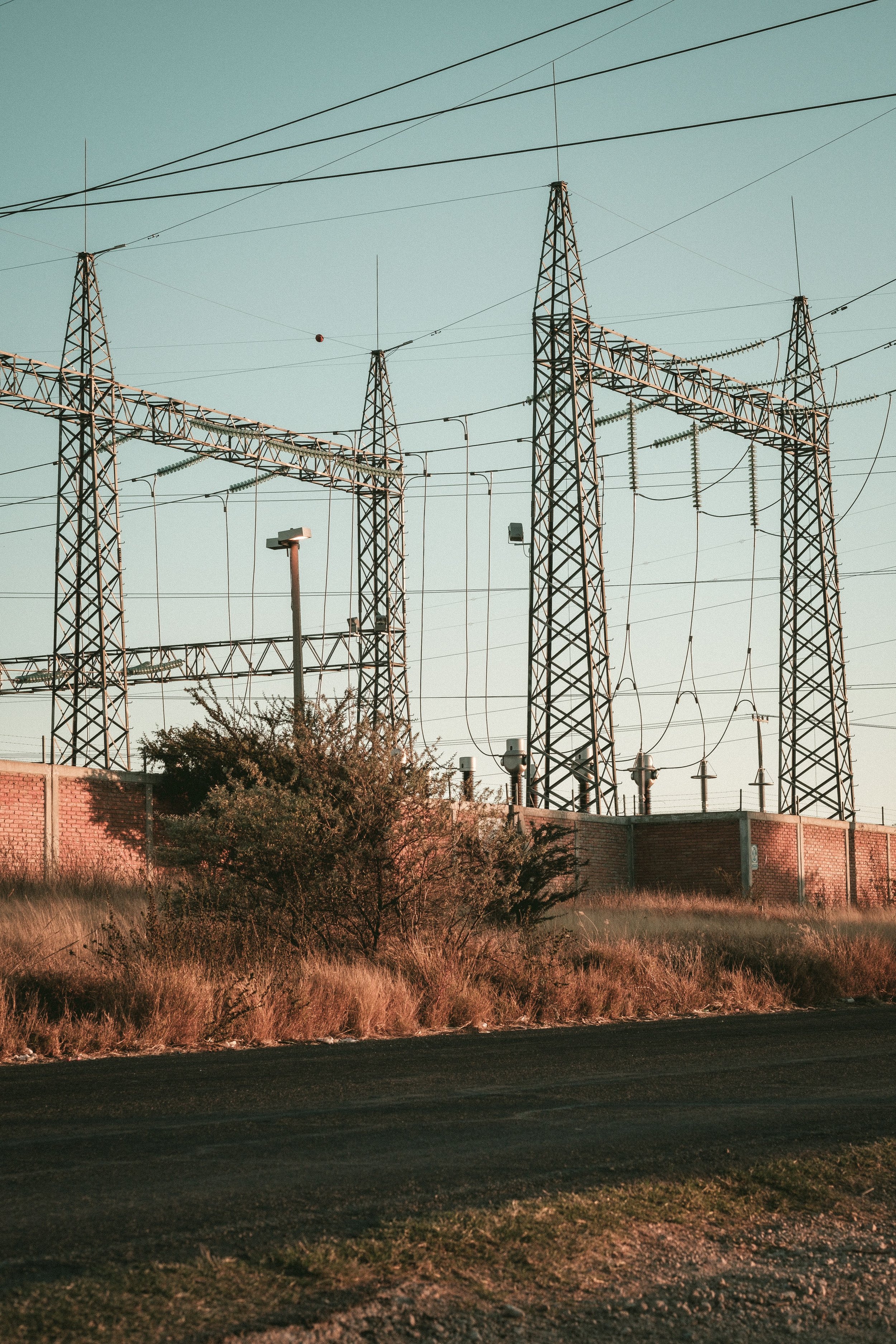
Substations and Pipeline Facilities Can't Be Lit End to End. Thermal Covers the Dark Miles Where a Visible-Light Camera Returns a Black Frame.
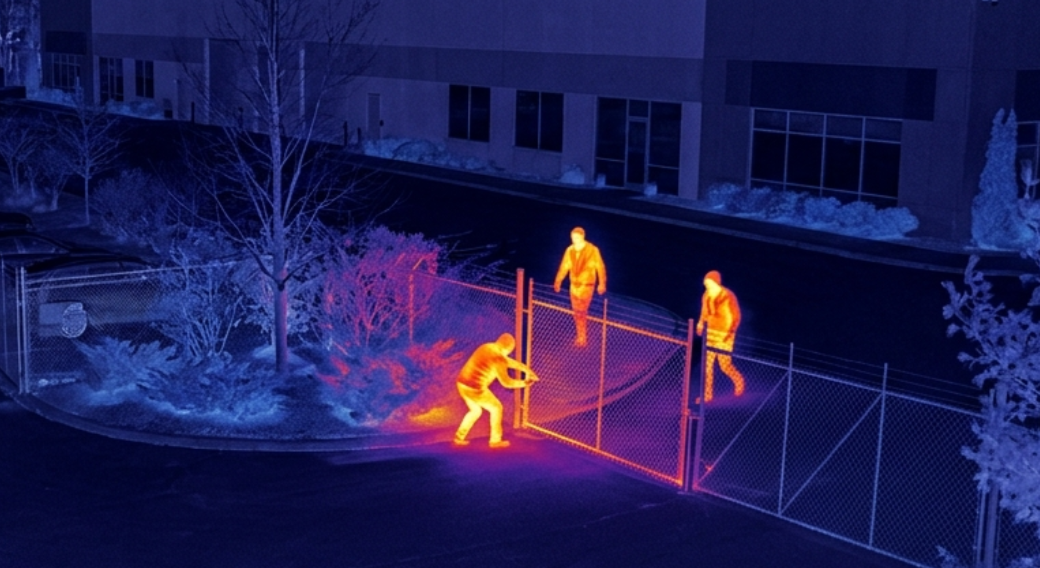
A perimeter that runs for miles can't be fully illuminated — and a camera pointed at darkness isn't security, it's a recording of nothing. Thermal detection operates on heat, not light, so every foot of unlit perimeter gets the same detection quality as the front gate under floodlights.
- Full perimeter coverage regardless of lighting infrastructure
- Consistent detection quality in total darkness across unlit fence lines
- Covers substations, water treatment plants, and pipeline facilities
No Grid Power. No Lighting. Total Darkness by 6 P.M. Half the Year. Thermal Protects the Sites That Are Hardest to Watch Any Other Way.
Construction sites are high-value targets and nearly impossible to light conventionally — no permanent power, sprawling layouts, and materials worth stealing everywhere. Thermal detection runs on the site's heat signature, not its lighting, so the darkness that makes a site attractive to thieves doesn't make it invisible to detection.
- No permanent power or lighting infrastructure required
- Full-site coverage across unlit equipment yards and material laydown areas
- Detection quality holds in total darkness, fog, and rain

Back Rows and Overflow Lots Beyond the Lighting Plan Are Where Thieves Work. Thermal Fills the Gap Without Extending Electrical Infrastructure.
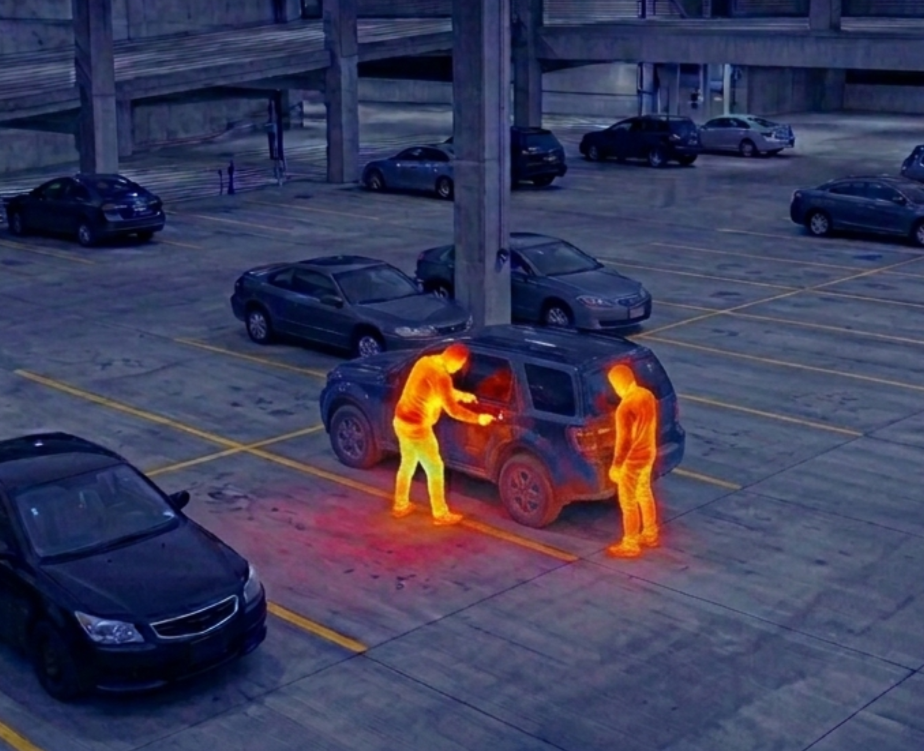
Every dealership lot has a back row the floodlights don't quite reach. Every storage yard has a far corner that's effectively dark after close. Thermal detection covers those gaps without trenching conduit or installing poles — the coverage goes where the lighting can't, on the exact areas thieves already know about.
- Coverage in unlit back rows and overflow areas without new electrical infrastructure
- Detection quality equal to lit areas regardless of ambient light
- Covers rear inventory rows, overflow lots, and storage yard perimeters

Offer Clients a Detection Layer That Holds Up in Fog, Rain, and Darkness — When Visible-Light Analytics Degrade and Alert Confidence Drops.
The conditions that make a site most vulnerable — rain, fog, darkness — are exactly when visible-light analytics become least reliable. Thermal detection is unaffected by all three, giving monitoring operators the same confidence in alerts at 3 a.m. in a rainstorm as at noon on a clear day.
- Detection quality unaffected by fog, rain, or total darkness
- Consistent alert confidence across all weather and lighting conditions
- Adds a reliable detection layer to monitored accounts where visible-light falls short

Unlit Rear Boundaries and Roof Lines Get Real Human Detection — Not a Camera View Nobody Can Interpret After Dark.
A visible-light camera pointed at an unlit rear boundary isn't monitoring — it's recording darkness. Thermal detection turns those dead zones into active coverage, so rear easements, unlit perimeter boundaries, and roof lines that were effectively unmonitored after dark become zones where a person generates a real, actionable alert.
- Unlit rear boundaries and easements converted from dead zones to active coverage
- Real human detection on roof lines and perimeter areas with no ambient light
- Covers self-storage rear lots, commercial property boundaries, and unlit easements

How It Works
A thermal detection is still just a detection until someone acts. Events stream instantly to Clear Watch's 24/7 monitoring operators, who assess the live imagery, deliver a voice-down over on-site speakers — startling for an intruder convinced the darkness was cover — and escalate to dispatch when warranted, including direct digital 911 delivery to more than 700 PSAPs.
FAQs
-
Yes. Detection is based on heat rather than visible light, so it performs in total darkness, fog, and bad weather — conditions where ordinary cameras produce unusable images.
-
Yes — this detection runs on thermal camera footage and is typically deployed on perimeter and low-light positions alongside your visible-light cameras, which continue to handle detail and identification in adequately lit areas. Clear Watch designs the mix around your site.
-
Lighting large perimeters is expensive to install and run, and still leaves shadows, glare, and weather-degraded scenes. Thermal detection covers those areas reliably without new electrical infrastructure — and doesn't announce your camera coverage the way floodlights do.
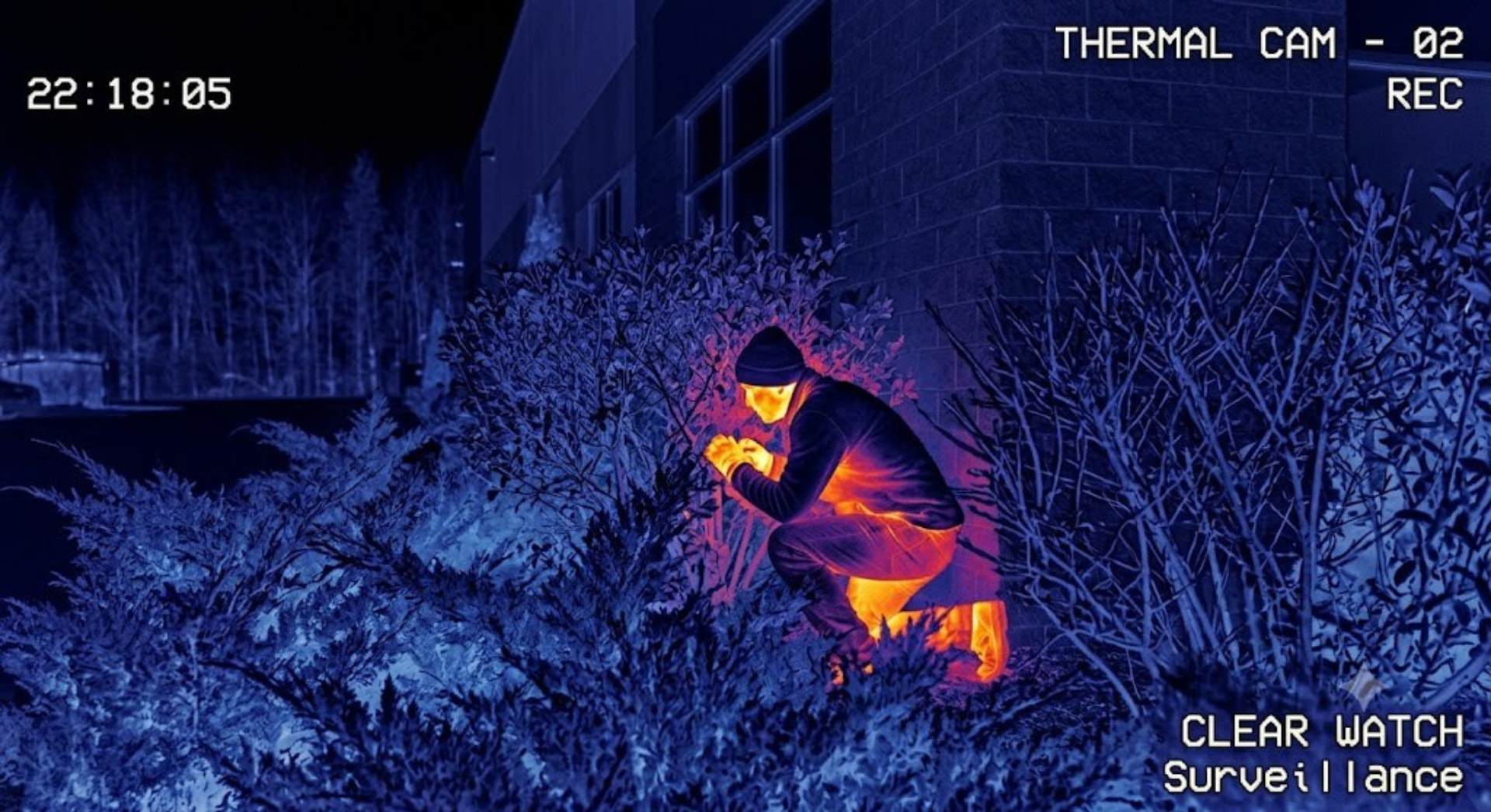
Detection That Works Regardless of Lighting, Weather, or Time of Night
GET STARTED
Pitch dark, heavy fog, driving rain — these aren't edge cases, they're the conditions intruders rely on. Thermal Intrusion Detection operates on heat rather than light, so the nights your visible-light cameras produce unusable images are nights your perimeter is still monitored, still alerting, and still backed by a live operator ready to respond.