
Tailgating Detection
A valid badge opens the door for whoever's standing close enough. Tailgating Detection is what catches everyone the credential didn't authorize.
Your access control system knows a valid badge opened the door. It has no idea two people walked through. Tailgating Detection closes the oldest hole in access control.
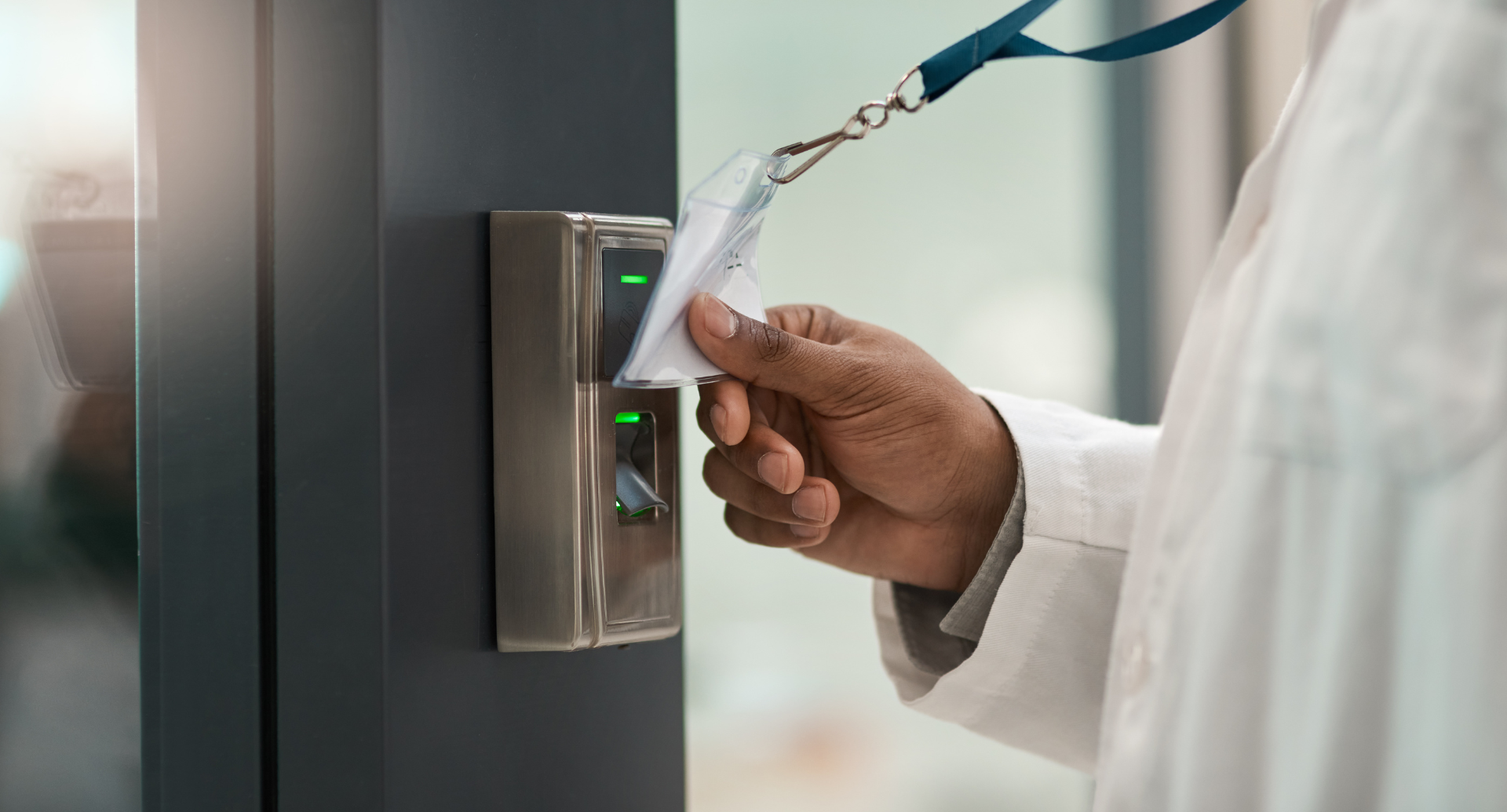
Tailgating Detection tracks the person who presented valid credentials at an access point and monitors whether any additional person passes through on the same authorization — alerting instantly when an unauthorized person follows an authenticated user through a controlled door. It closes a gap the access control system alone cannot see: a valid credential opens the door for whoever passes with it, and the badge log will forever show a single, legitimate entry.
Detection windows and zone boundaries are configured to match your actual door layout, and the system is designed to distinguish permitted multi-person entry from genuine tailgating — so a manager badging in a visitor doesn't generate the same event as a stranger slipping through a closing door. Tailgating Detection is available through Clear Watch's Early Access program for forward-leaning sites.
What It Does

Who Uses It
Compliance Assumes the Badge Log Is Truth. Tailgating Detection Makes It True.
Every entry on one credential that lets two people through breaks the assumption behind your access log — and your compliance posture. Tailgating detection turns each of those events into a verified video record, so the badge log reflects what actually happened in the door, not just what the credential system recorded.
- Every single-credential, two-person entry becomes a verified video event
- Badge log integrity restored for compliance and audit purposes
- Covers server room doors, control facility entries, and secure suite access points

Office Towers Lose Entry Integrity at Rush Hour — When Held Doors Are Politeness. Detection Restores Accountability Without Turning the Lobby Hostile.
Rush hour courtesy is the biggest tailgating window in any office building. Holding the door is social — and invisible to every access control system in the lobby. Tailgating detection closes that window automatically, flagging entries that bypassed credential verification without requiring staff to challenge every person walking in behind someone else.
- Flags tailgating entries without requiring staff confrontation
- Closes the rush-hour courtesy window that access control systems miss entirely
- Covers lobby turnstiles, elevator lobbies, and tenant floor entry points

Controlled Substances and Regulated Materials Sit Behind Badged Doors. Catch the Piggyback Entry That Audits Always Find Too Late.
In regulated environments, a tailgating entry isn't just a security breach — it's a compliance event that auditors and incident reviewers find in the log weeks after the fact. Real-time tailgating detection surfaces the piggyback entry the moment it happens, when a response is still possible and before the loss or violation is complete.
- Real-time alert on piggyback entries at badged lab and clinical doors
- Compliance event surfaced immediately — not discovered on audit review
- Covers controlled substance storage, patient data areas, and regulated material access points

Extend Monitored Coverage Inside the Building — Tailgating Events at Client Server Rooms Become Real-Time Alarms Instead of Forensic Discoveries.
Most monitoring coverage stops at the perimeter. Tailgating detection brings it inside — to the doors that matter most at client sites. A piggyback entry at a server room or secure suite generates a real-time monitored alarm, not a line in an access log that someone finds during a post-incident review.
- Monitored coverage extended to interior badged doors at client sites
- Tailgating events become real-time alarms — not forensic log entries
- Covers client server rooms, secure suites, and interior controlled-access points

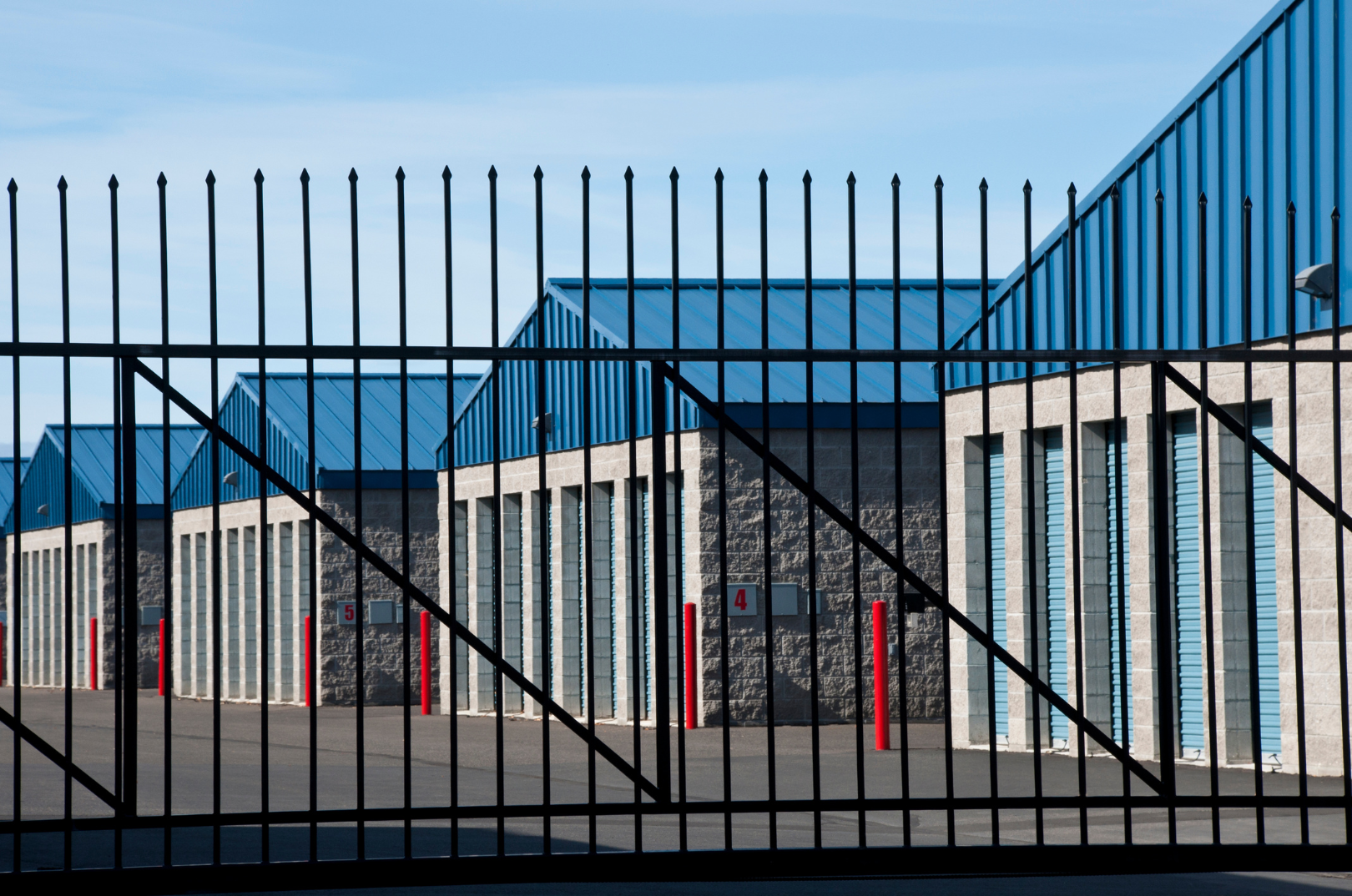
One Gate Code, Two Vehicles Through — the Pattern Behind a Large Share of Storage Burglaries. Detection Flags the Follower the Moment They Ride the Authorization Through.
A self-storage gate that opens on one valid code and admits two vehicles has already been defeated. The second vehicle carries no authorization — and no record in the access log. Tailgating detection flags that entry in real time, before the follower reaches a unit and before the loss happens.
- Flags the second vehicle the moment it follows an authorized entry through the gate
- Real-time alert before the unauthorized vehicle reaches any unit
- Covers vehicle gate approaches, pedestrian access points, and controlled entry lanes
How It Works
When an unauthorized person follows a credentialed user through, the alert reaches Clear Watch's monitoring operators immediately with the live video. Operators verify the event, notify on-site security or staff, deliver voice-downs over speakers where deployed, and escalate to dispatch when the intrusion warrants it — including direct digital 911 delivery. The tailgater is identified while they're still steps inside the door, not weeks later in an audit.

FAQs
-
No — that's the gap. Access control verifies the credential, not the number of people the open door admits. A valid badge opens the door for whoever passes with it, and the log shows one legitimate entry. Tailgating Detection watches the passage itself.
-
The detection is designed to distinguish permitted multi-person entry from genuine tailgating, and detection windows and zone boundaries are tuned to your door layout — so authorized escorts don't drown operators in false events.
-
No. Tailgating Detection works from camera video covering the access point, layering onto the credentials system you already run rather than replacing it.

A person waiting for a ride and a person casing your register can stand in the same spot for the same amount of time. The difference is where their attention is. Human Prolonged Stay analyzes position and attention together — so the alert fires on behavior that indicates a target, not on everyone who's been standing there too long.
The Badge Log Says One Person — The Camera Saw Two
GET STARTED