
Stay & Go Detection
Configure a minimum time, a maximum, or both — and flag anything that falls outside the window.
Some things shouldn't stay too long. Others shouldn't leave too soon. Stay & Go Detection enforces both sides of the clock with a single rule.
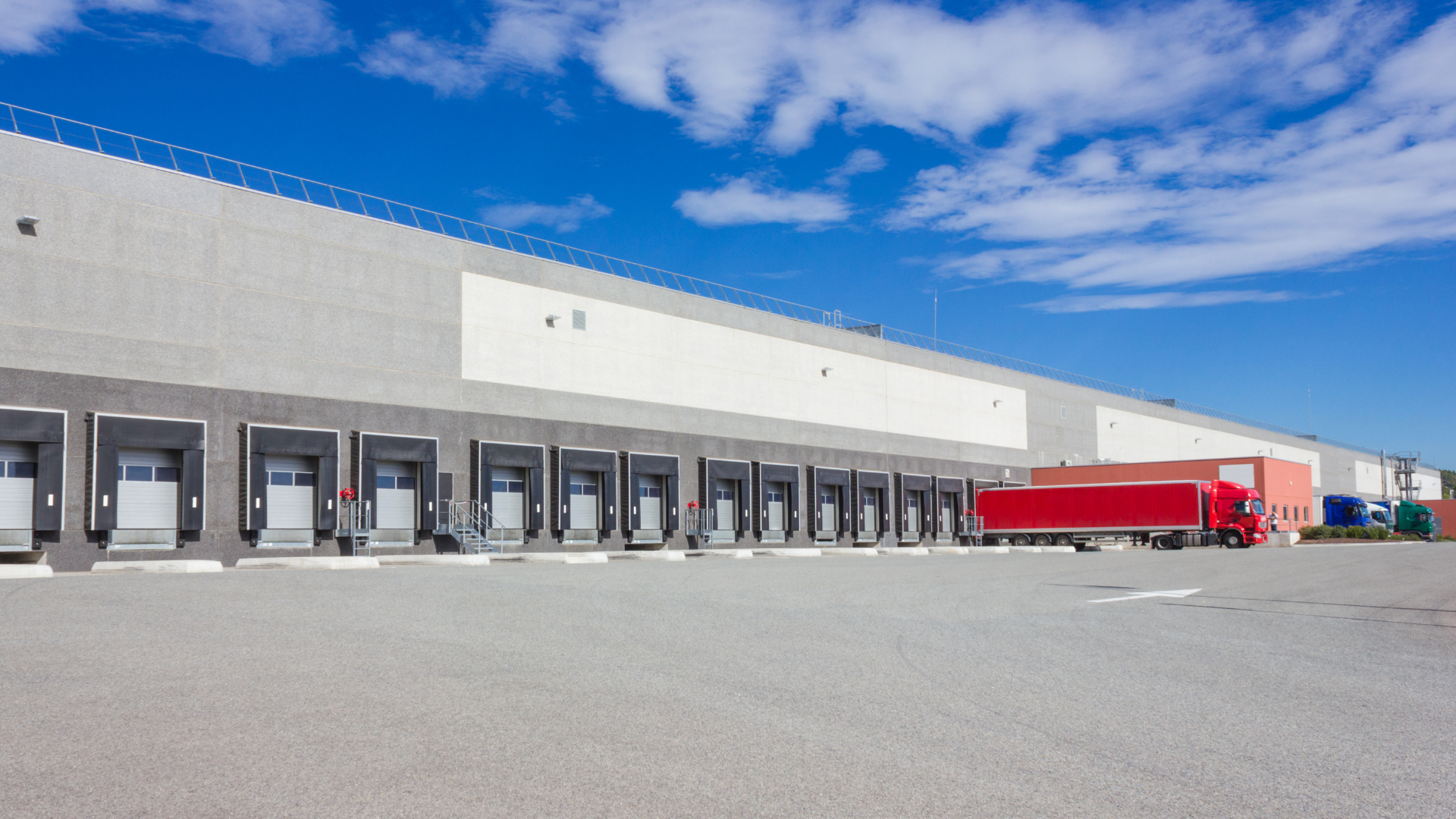
Stay & Go Detection watches how long objects remain in — or move out of — a surveillance zone, and alerts when the time is more or less than the threshold you set. It's the only rule you need for time-based expectations that run in both directions: the vehicle that overstays a pickup window, and the guard tour that leaves a checkpoint early. One configuration governs dwell limits and dwell requirements together.
Target types and time thresholds are configured per zone, so the same site can flag a person lingering in a cash-handling area for over two minutes and a delivery truck that departs the inspection bay in under one. Because both directions live in one app, there's no juggling separate rules that can drift out of sync as the site changes.
What It Does
Who Uses It
Enforce the Process, Not Just the Presence — Flag Any Vehicle That Clears a Checkpoint Before Its Hold Time Is Up.
A vehicle that breezes through an inspection checkpoint in thirty seconds didn't complete the inspection. Stay & Go Detection flags the under-stay the moment it happens — before the vehicle is off the property and the process gap becomes a liability.
- Configurable minimum hold time per checkpoint zone
- Alert fires the moment a vehicle departs before the threshold
- Covers substations, ports, secure yards, and gated campuses

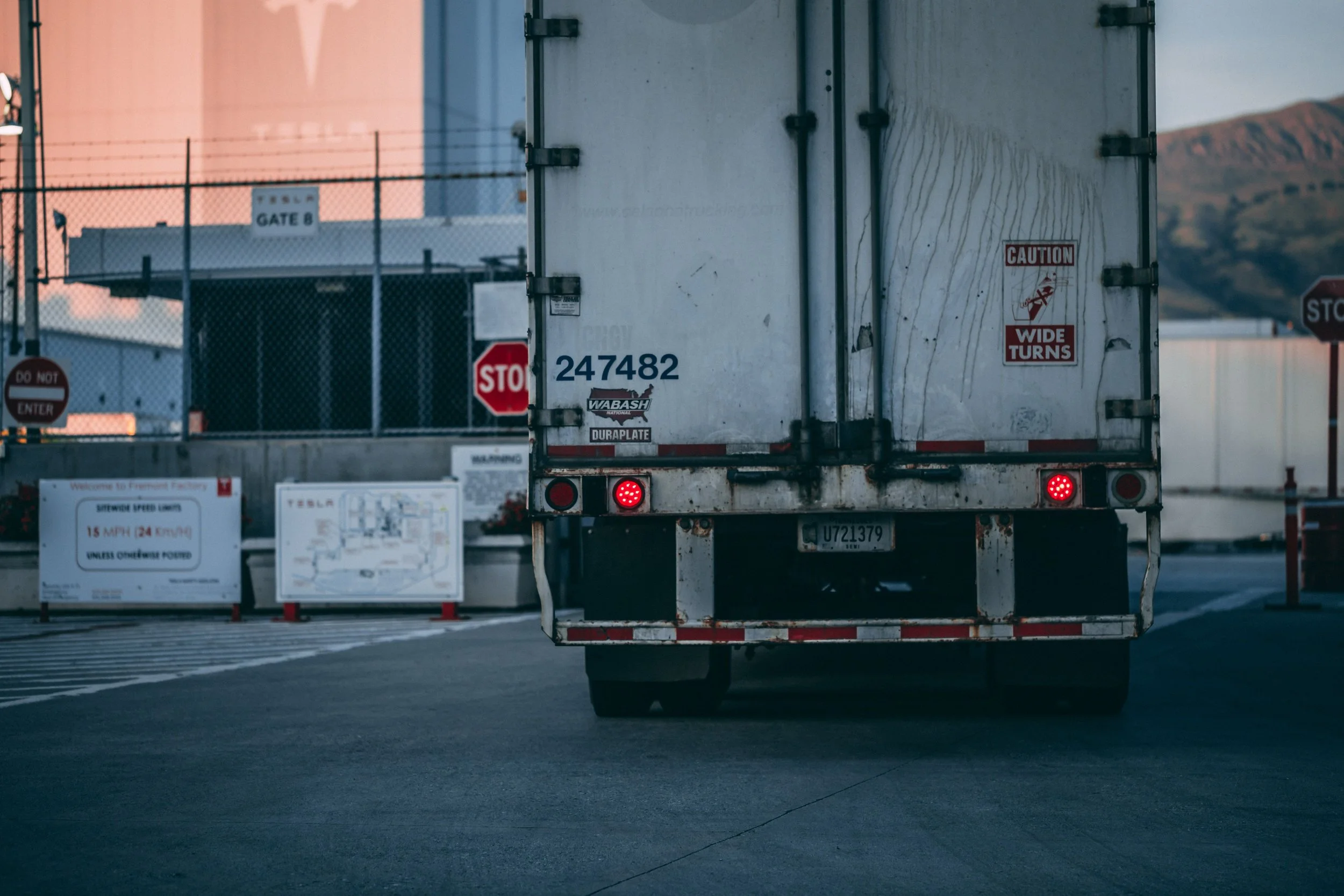
Flag the Truck Still in the Bay Past Its Window — Before the Next Carrier Arrives and the Dock Gridlocks.
Loading docks run on time windows. A truck that overstays its bay access blocks the next carrier, backs up the schedule, and turns into a complaint. Over-stay alerts fire before the ramp gridlocks — while there's still time to move the vehicle.
- Per-bay time windows with over-stay alerts
- Alert fires before the next carrier is already pulling in
- Covers loading docks, delivery zones, and time-restricted access points
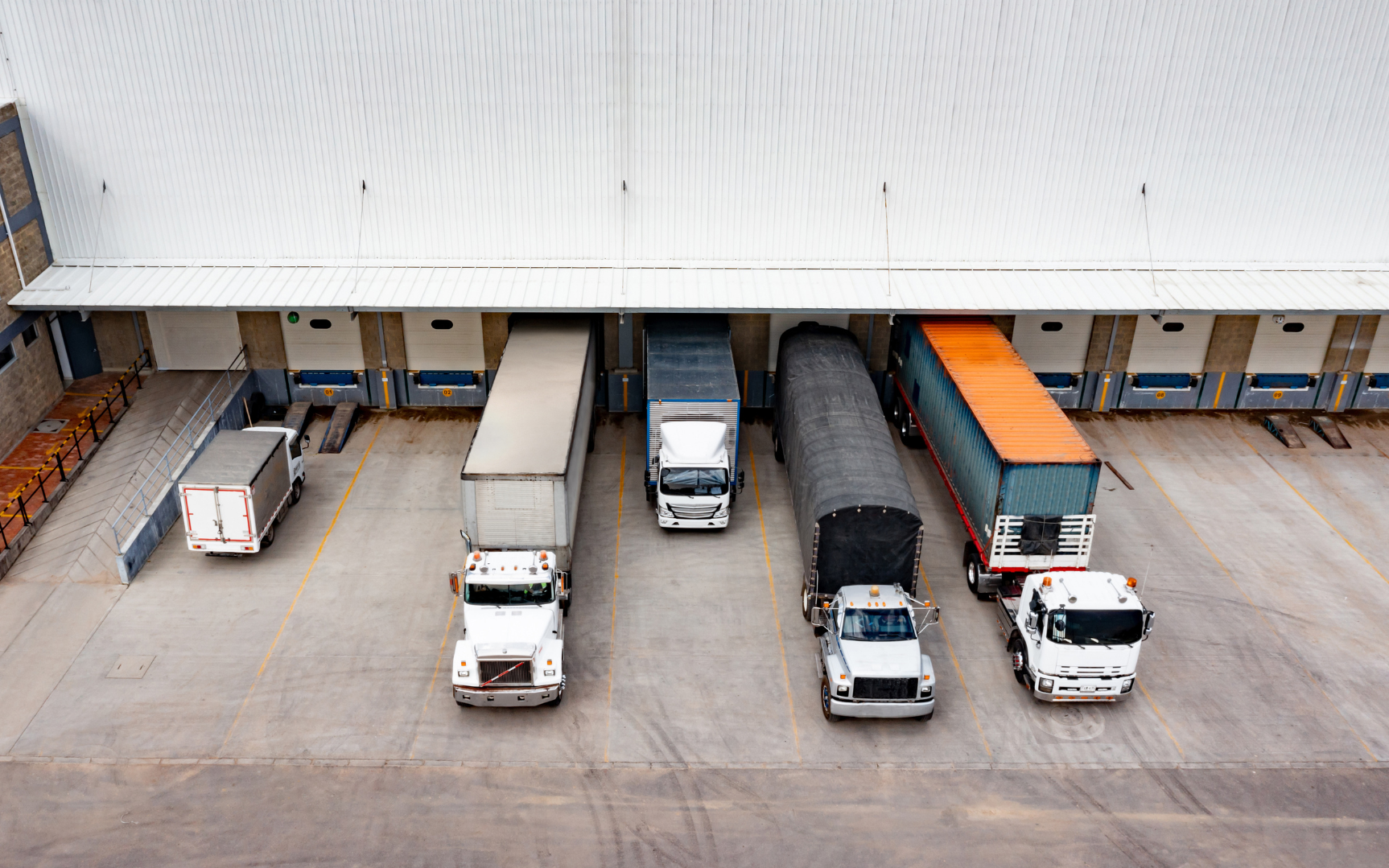
The Transporter That Pulls In and Leaves in Ninety Seconds After Hours Didn't Drop Off Inventory.
Any legitimate delivery — unloading a car carrier, completing a service call, dropping off parts — takes time. Under-stay alerts catch the drive-through scouting pass that looks like a delivery run but clears the lot in a fraction of the time. Loitering rules miss it entirely.
- Under-stay alerts for vehicles that enter and exit faster than any legitimate visit allows
- Catches scouting passes disguised as delivery runs
- After-hours coverage across lot entrances and service drive approaches

One Configurable Time Rule Covers Over-Stay and Under-Stay Events Across Every Account — Without the Rule Sprawl.
A single Stay & Go rule handles both directions — vehicles that stay too long and vehicles that leave too fast — across diverse client sites. Fewer rules to maintain, fewer gaps to miss, and consistent event coverage regardless of how different each account's layout and use case is.
- One rule type covers over-stay and under-stay across all client accounts
- Per-zone thresholds without duplicating rule sets
- Reduces rule sprawl that makes large monitored portfolios hard to manage

A Vehicle That Enters the Yard and Leaves Faster Than Any Legitimate Pickup Could Take Is Already Gone with the Load.
Grab-and-go theft has a signature: in fast, out faster. A vehicle that clears a construction or storage yard in less time than a real pickup requires — signing in, locating materials, loading — didn't pick up legitimately. Under-stay alerts flag the exit in real time, when pursuit and recovery are still possible.
- Under-stay alerts calibrated to minimum legitimate pickup time
- Flags the exit in real time — not on next-morning footage review
- Covers yard entrances, equipment lots, and material storage areas
How It Works
When a stay or go threshold is violated, the event streams to Clear Watch's monitoring operators in real time. Operators assess the live video and respond to what the event means at your site — a voice-down over on-site speakers for the overstaying vehicle or lingering person, and escalation to dispatch, including direct digital 911 delivery, when the behavior indicates a crime in progress.

FAQs
-
Loitering and Stopping catch things that stay too long. Stay & Go adds the other direction — objects that leave sooner than they should — and puts both rules in a single per-zone configuration. If your security process includes minimum times as well as maximums, this is the rule that covers it.
-
Yes. Target types and thresholds are set per zone, so a person rule and a vehicle rule can run side by side in the same camera view with completely different timing.
-
Behavior that's too fast to be legitimate: a vehicle that clears a mandatory checkpoint without holding, a drive-through pass of a secured yard, or a departure from a monitored post before the required time. It's the timing anomaly that other detections don't measure.
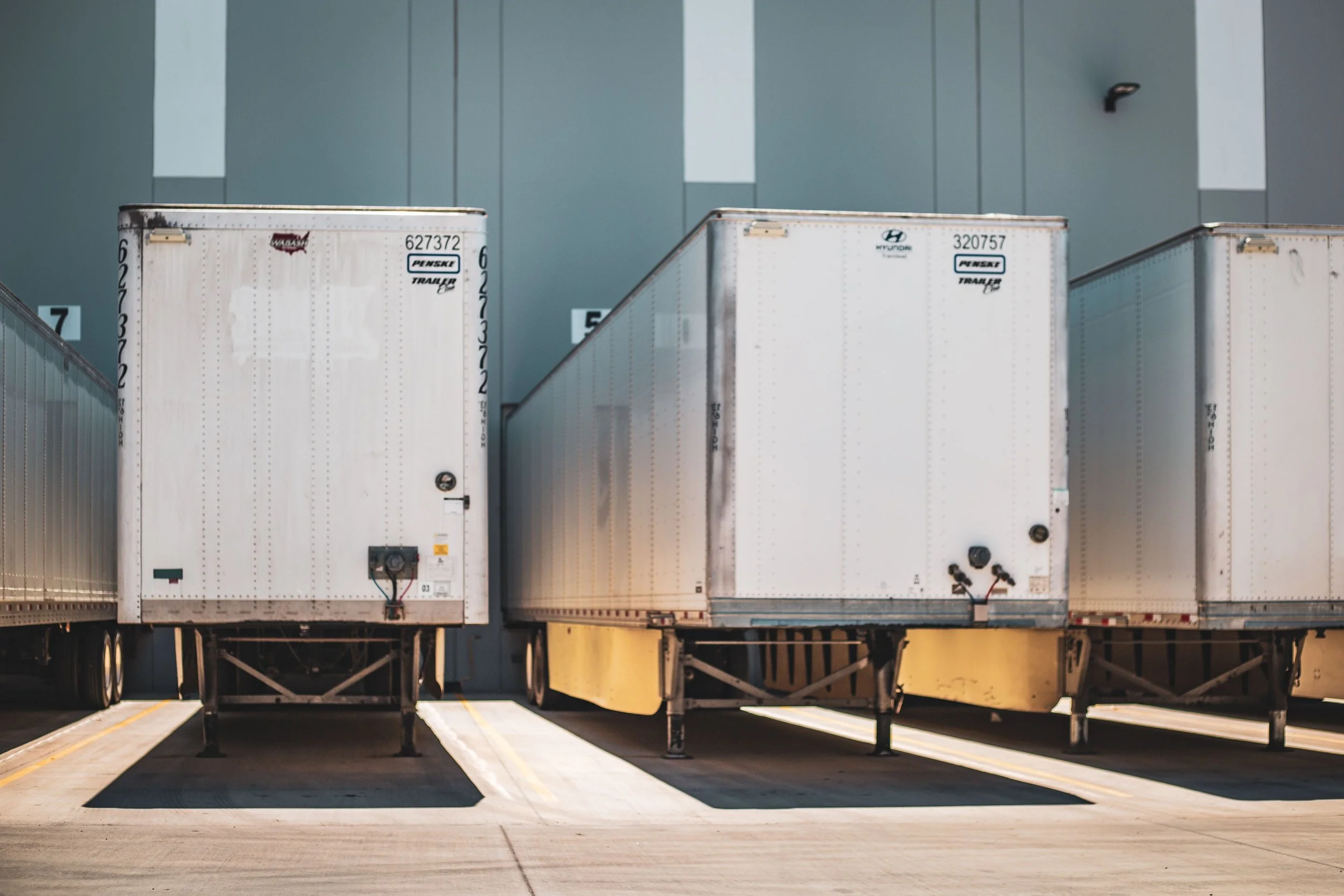
The Overstay & the Early Exit Can Both Be a Problem
GET STARTED
Most detections only catch things that stay too long. Stay & Go covers both sides — the vehicle that overstays its bay window and the one that clears a checkpoint before the inspection could have happened. One configuration. Both directions. No separate rules to maintain or drift out of sync.