
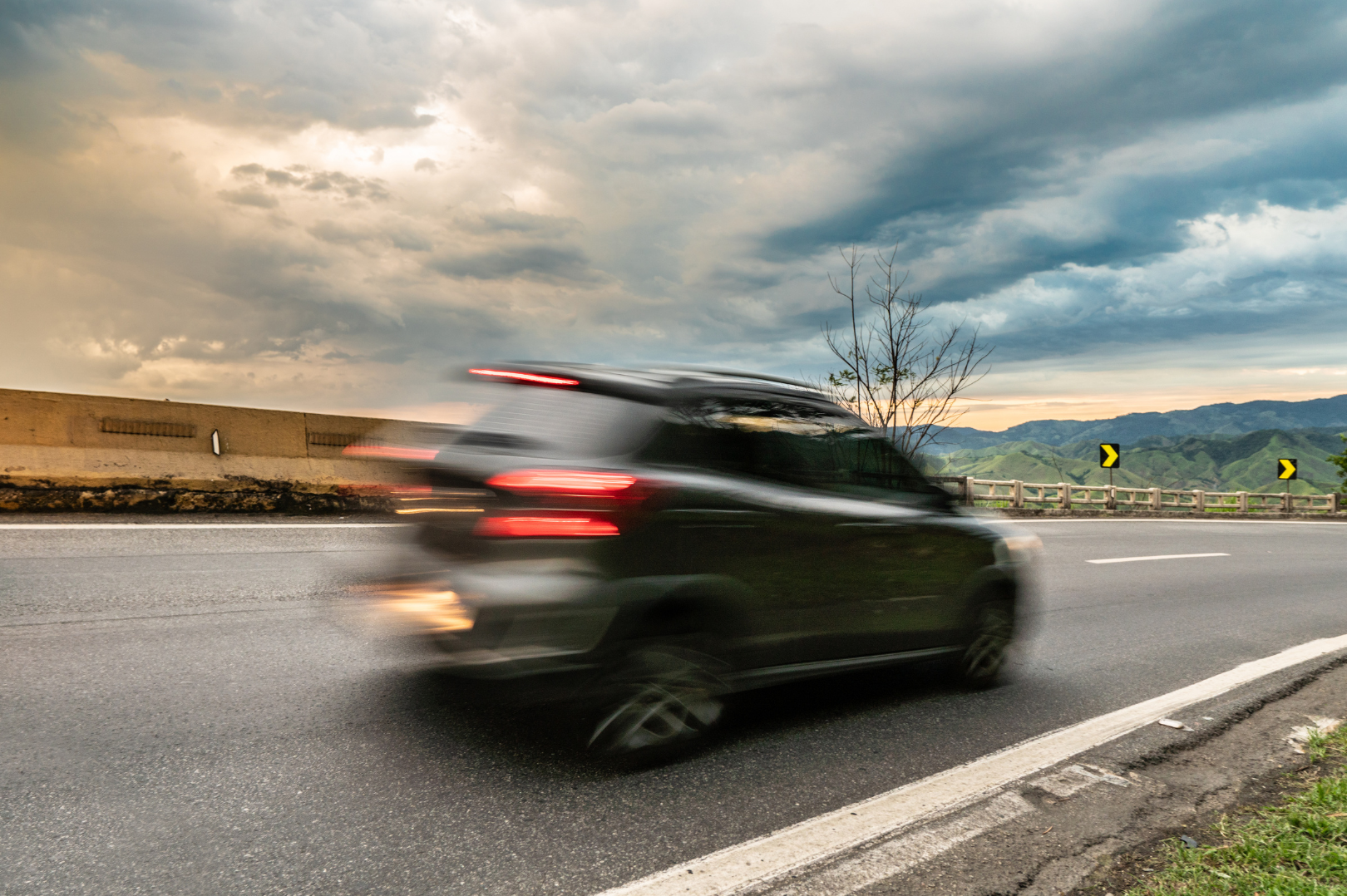
Speed Anomaly Detection
Configure an upper limit, a lower limit, or both — and flag anything that moves faster or slower than it should in any zone on your property.
On your property, speed tells a story. The car moving too fast is a hazard. The one creeping past your inventory is a threat. Speed Anomaly Detection reads both.
Speed Anomaly Detection measures objects passing through a zone against a reference speed you define — and flags anything moving faster or slower than it should. The fast side catches speeding vehicles on access roads and lots. The slow side catches something subtler and often more important: movement that's unusually deliberate, like a vehicle crawling past assets, or an obstruction or fault changing how traffic flows.
Reference speeds and tolerance are configured per zone, and the upper and lower bounds work independently — enforce only a speed limit on the entry road, only a slow-crawl rule along the fence line, or both at once in the same view. That flexibility turns one detection into both a safety control and a suspicious-behavior sensor.
What It Does
Who Uses It
A Vehicle Rolling Past Inventory Rows at Walking Pace After Hours Isn't Shopping — It's Scouting.
The recon pass that comes before a theft doesn't look like a break-in — it looks like a car moving slowly through a lot. Slow-speed anomaly alerts flag that crawl while the vehicle is still on the property, before whoever's inside has finished deciding what they're coming back for.
- Slow-speed alerts on after-hours movement through inventory rows
- Flags the scouting pass before it turns into a return visit
- Covers lot lanes, perimeter rows, and service drive approaches

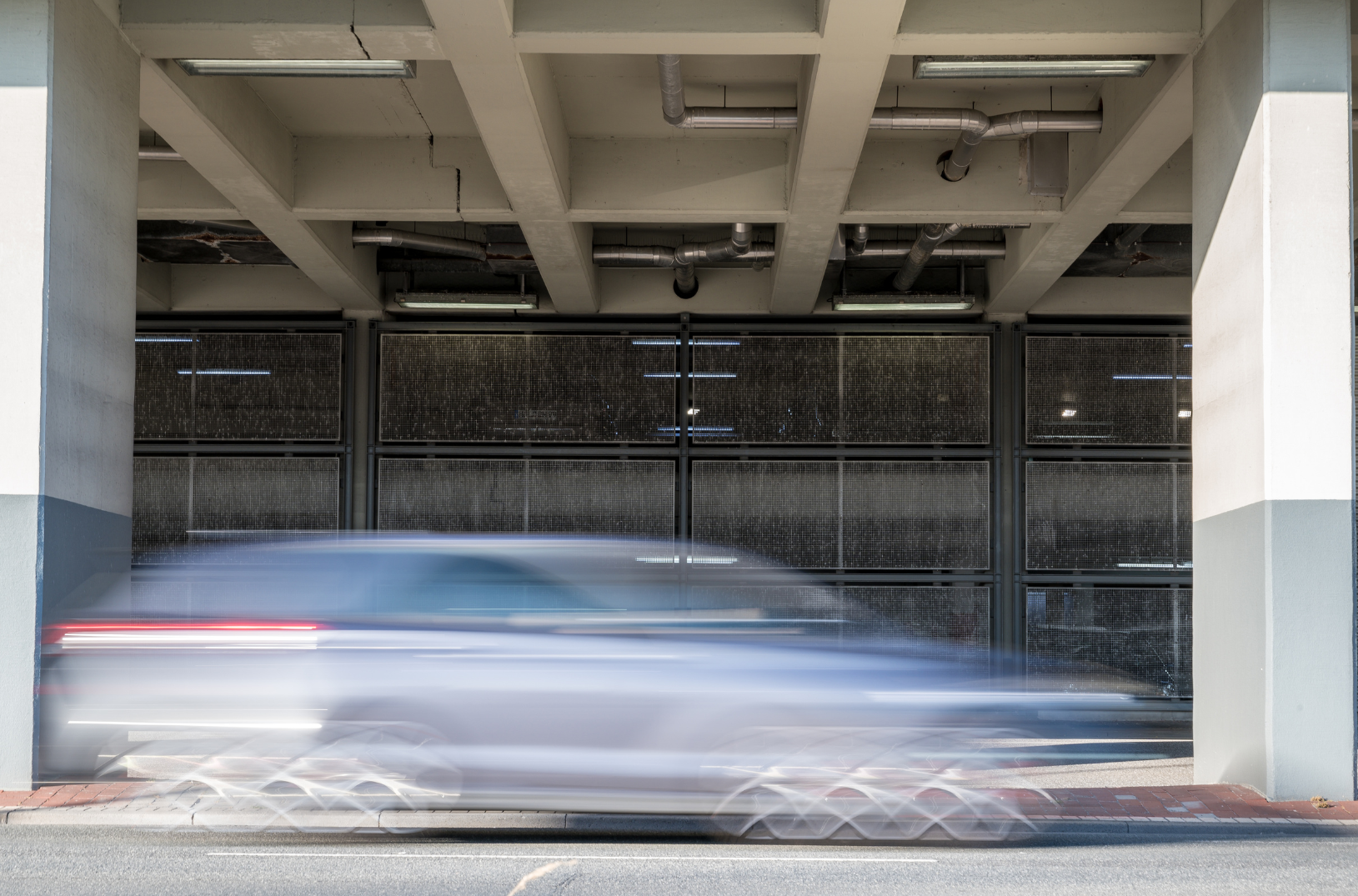
Speeding in a Garage Is a Liability Event Waiting to Happen — Real-Time Alerts Let You Intervene While the Vehicle Is Still On Site.
A speeding alert that arrives after the vehicle has left is a report, not a response. Speed anomaly detection identifies excessive speed in real time and surfaces chronic problem areas — so operators can act on the pattern before it becomes a pedestrian incident and a claim.
- Real-time alerts for vehicles exceeding speed thresholds in garages and lots
- Identifies chronic problem areas across the property over time
- Operator intervention while the vehicle is still on site
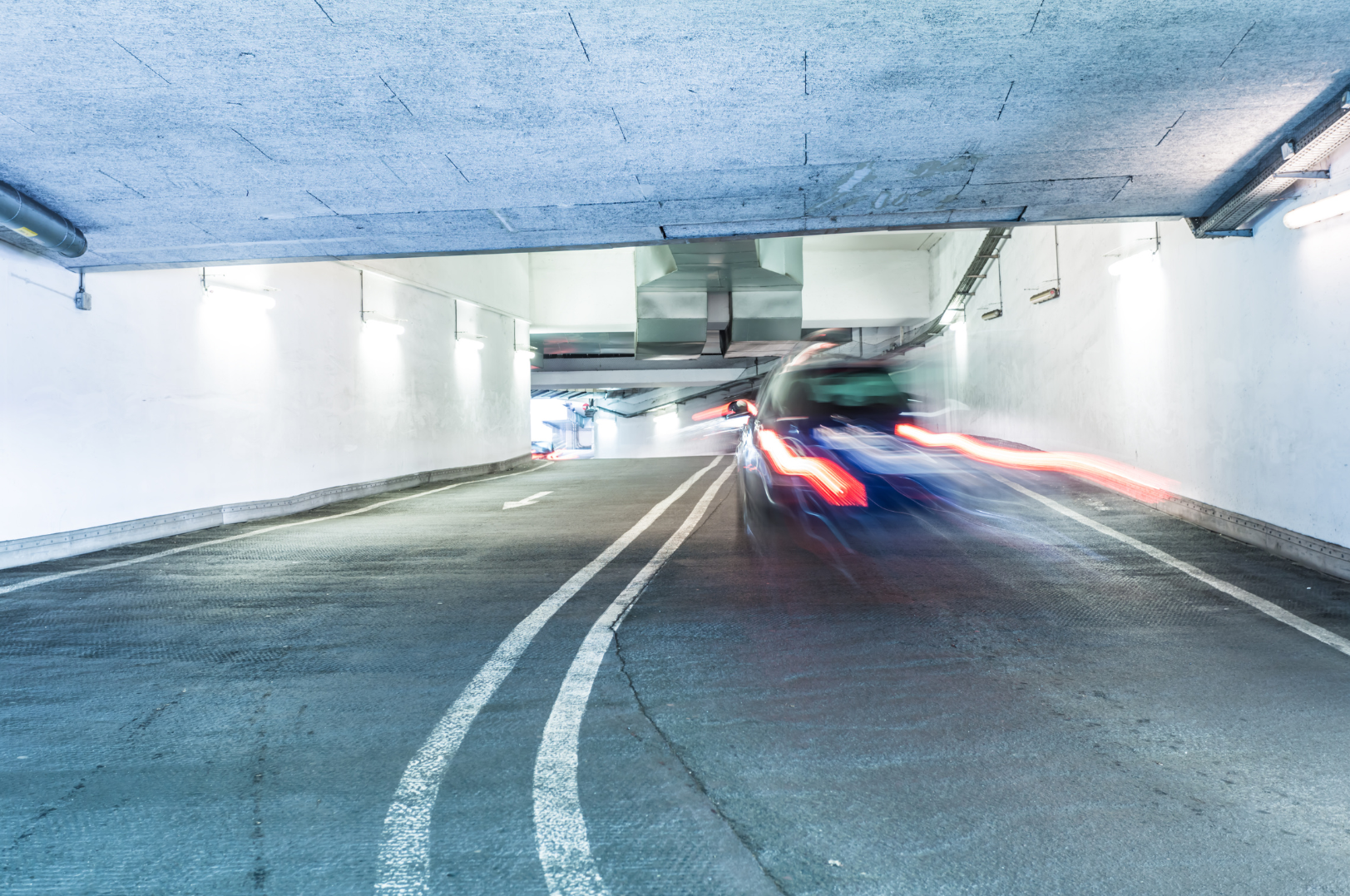
On a Secured Perimeter Road Where Every Legitimate Driver Just Passes Through, Slowing Down Is the Anomaly.
A vehicle decelerating along a fence line or perimeter road at a substation or utility site isn't lost — it's looking. Speed anomaly detection surfaces that slowdown automatically, putting operator eyes on the vehicle while it's still outside the wire and before any next step is taken.
- Slow-speed alerts on perimeter roads and fence line approaches
- Flags deceleration patterns that don't match legitimate pass-through behavior
- Covers substations, pump stations, and unmanned secured perimeters

Enforce Site Speed Limits Without Posting a Spotter — and Flag After-Hours Vehicles Moving at Speeds That Don't Match Any Legitimate Purpose.
During hours, excessive speed near active work zones is a worker safety issue. After hours, the same camera catches vehicles moving through the site at speeds that match neither a security patrol nor a legitimate pickup — the signature of someone who knows exactly where they're going and wants to be gone fast.
- Speed limit enforcement around active work zones during operating hours
- After-hours alerts for vehicles moving at suspicious speeds through the site
- No spotter required — continuous coverage across the yard

A Vehicle Crawling Through Drive Aisles Scanning Unit Doors Looks Nothing Like a Tenant Heading to Their Unit.
Tenants drive to their unit. They don't creep through every aisle at a crawl with their eyes on the doors. Slow-speed anomaly alerts flag that behavior while the vehicle is still on the property — when a voice-down can still intervene before anyone gets out and starts testing locks.
- Slow-speed alerts for vehicles crawling through drive aisles after hours
- Flags scanning behavior before anyone exits the vehicle
- Voice-down response while the vehicle is still on property

How It Works
Speed anomaly events stream live to Clear Watch's monitoring operators, who see the context behind the number: a speeding vehicle endangering a busy lot, or a car creeping along your fence line at 2 a.m. Operators respond with live voice-downs over on-site speakers and escalate to dispatch when the behavior warrants it — including direct digital 911 delivery.

FAQs
-
Because slow is how surveillance looks. Vehicles casing a dealership lot, a fence line, or storage aisles move deliberately — well below normal traffic speed. Unusually slow movement can also indicate a fault or an obstruction affecting traffic. The lower bound catches what a speed trap never would.
-
No. The upper and lower bounds are independent per zone — run just a speed limit, just a slow-crawl rule, or both, and tune tolerance so normal variation never triggers an alert.
-
No — it's a monitored security and safety detection for private property. It flags anomalies so a live operator can assess and respond, not a citation system.

Speed Tells a Story — Catch It When Something’s Off
GET STARTED
The car doing 40 through your parking garage and the one rolling past your inventory rows at 3 mph are both anomalies — they just mean different things. Speed Anomaly Detection flags both in real time, with a live operator who sees the context behind the number and responds to what it actually means at your site.