
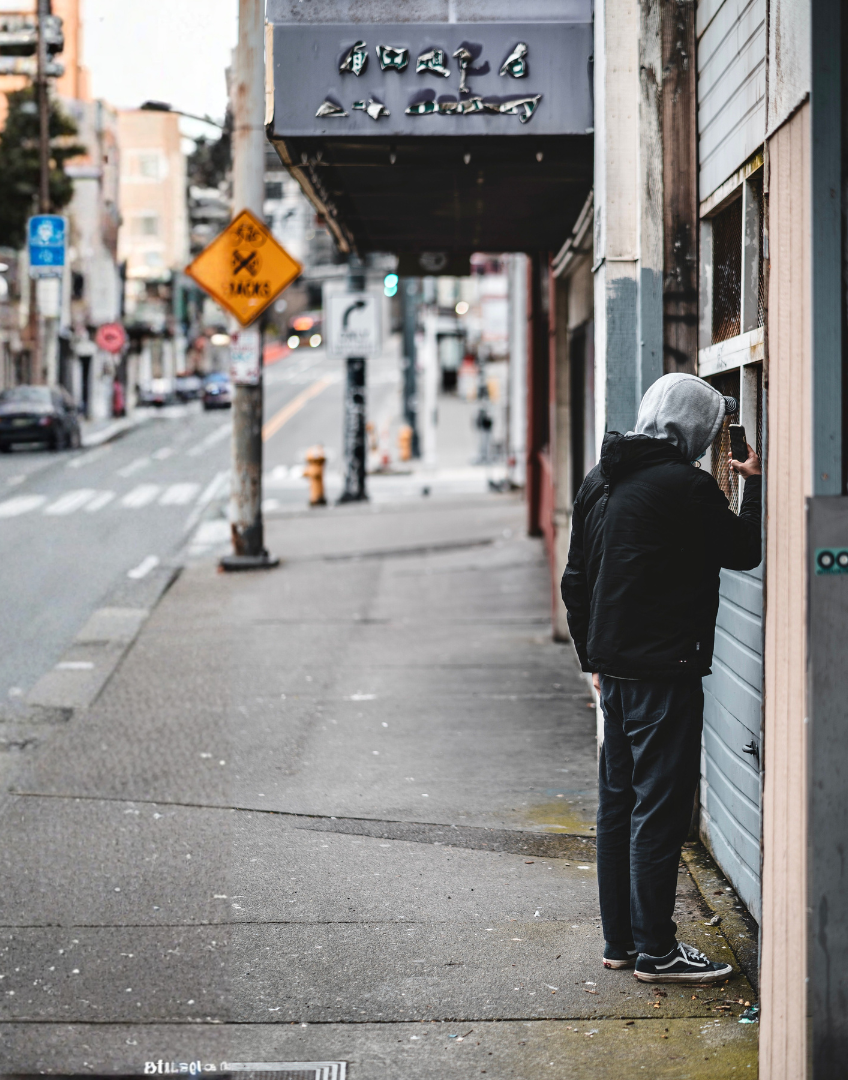
Intentional Body Gaze Detection
Gaze detection identifies sustained, deliberate attention on your windows, gates, and entry points — and flags it before the next step.
Before someone breaks in, they look. Long and carefully. Intentional Body Gaze Detection recognizes the difference between a glance and a stakeout.
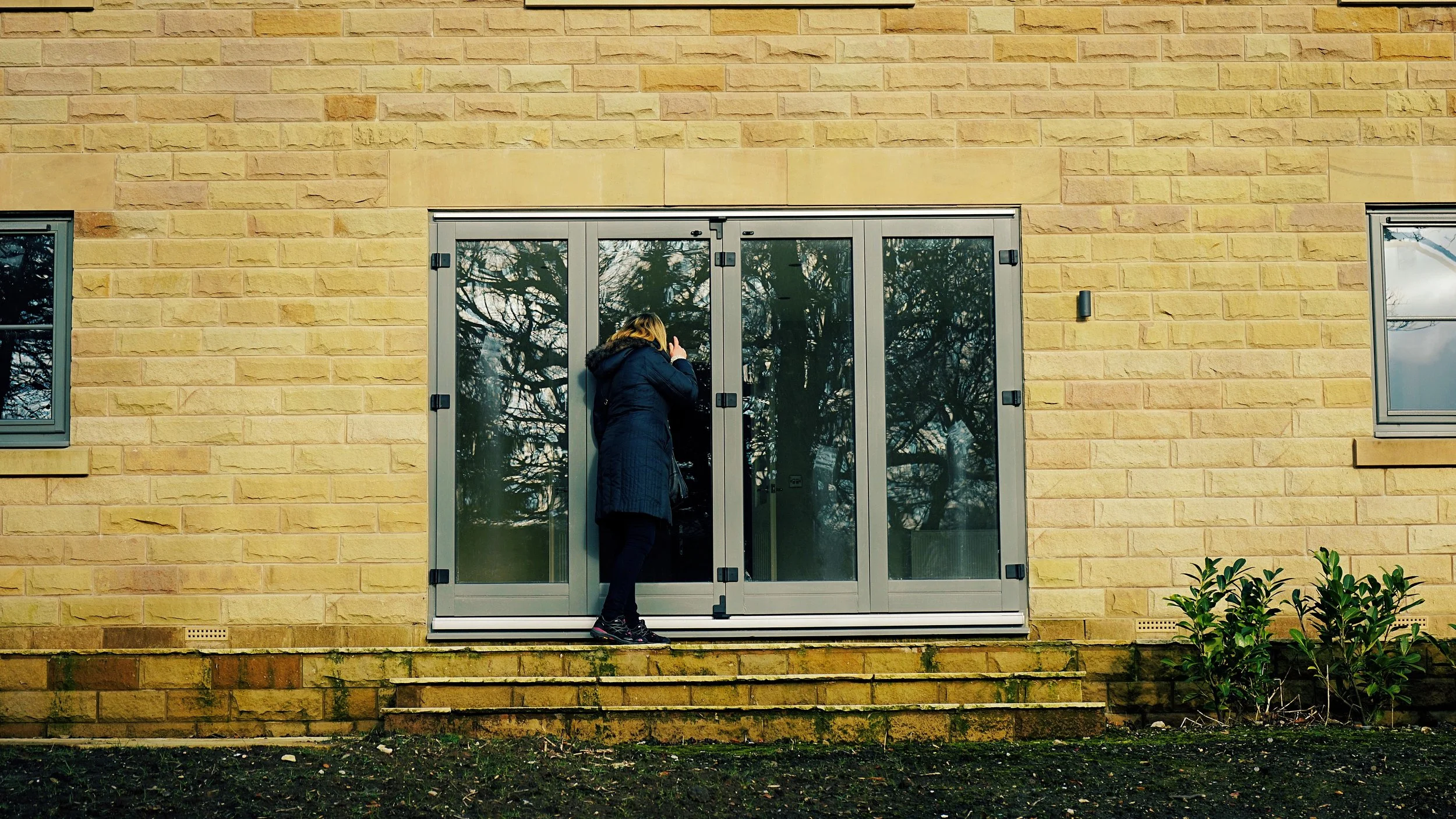
Intentional Body Gaze Detection analyzes the direction a person's body is facing to identify someone deliberately focusing their attention in a specific direction. It distinguishes sustained, intentional attention — someone studying a show window's contents, someone peering through a window that isn't theirs — from a passer-by glancing as they walk. The behavior it captures is the oldest precursor to crime there is: watching the target.
The direction of interest and the dwell time are configured per zone, so the rule matches what each camera actually overlooks — attention aimed at your showroom glass, your ground-floor windows, your secured entrance. Someone walking past registers nothing; someone who stops and orients toward the target for longer than your threshold becomes an event.
What It Does
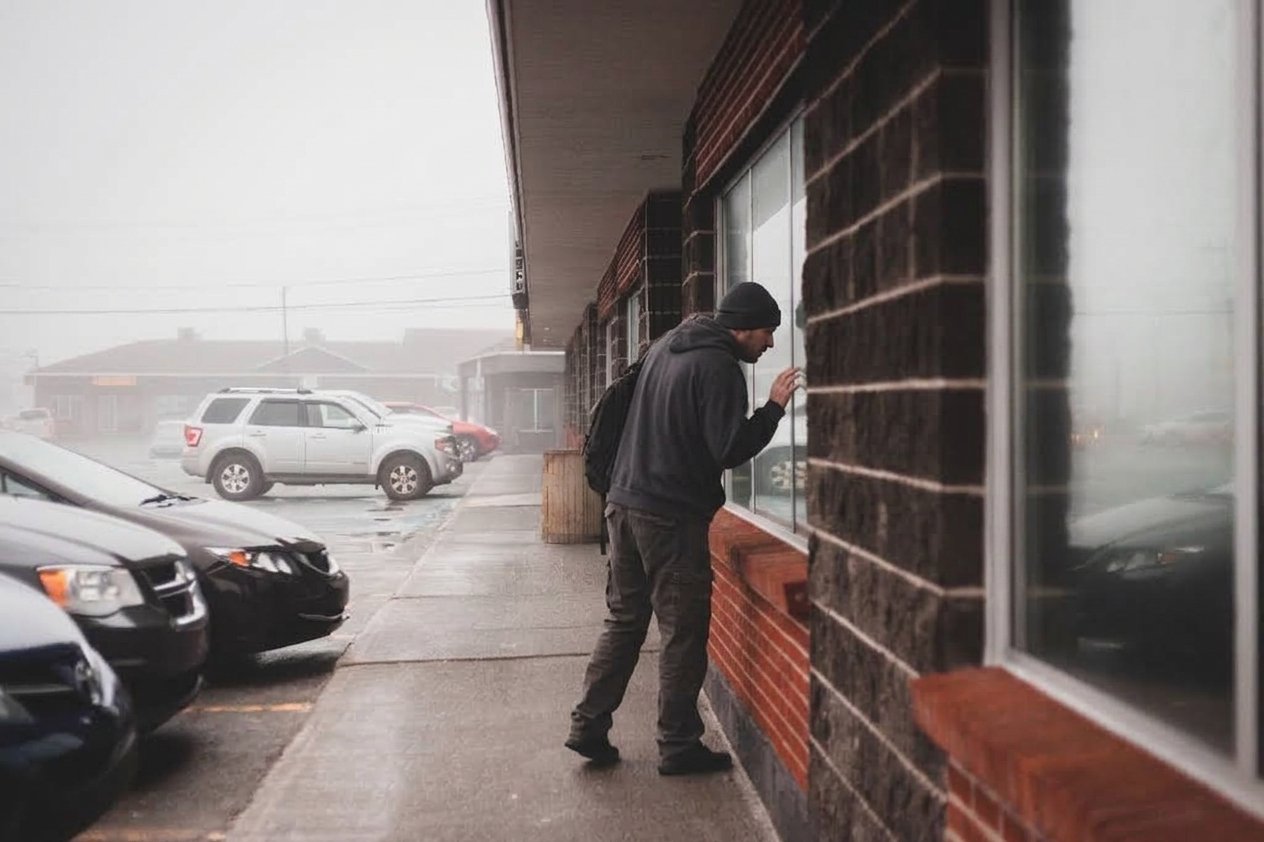
Who Uses It
A Person Fixed on the Showroom Windows After Close Is Flagged Before the Brick — Not After.
Showroom glass fronts millions in inventory and provides a clear view of what's inside and how to reach it. Sustained attention on those windows after hours isn't curiosity — it's planning. Gaze detection flags that fixed attention while the person is still outside, before anything breaks.
- Sustained gaze on showroom windows flagged after hours
- Alert fires while the person is still outside — before any attempt
- Covers showroom fronts, inventory lot perimeters, and entry points

Sustained Attention on a Storefront Lock or Display After Hours Reads as Surveillance — Not Shopping.
Casing behavior looks different from browsing. A person fixed on a display case, a lobby entry point, or a ground-floor lock for an extended period isn't window shopping — they're mapping the target. Gaze detection surfaces that behavior in real time, when intervention is still possible.
- Sustained gaze on storefronts, lobbies, and ground-floor entry points flagged
- Distinguishes casing behavior from normal foot traffic patterns
- Covers retail fronts, display windows, and commercial lobby approaches

Someone Peering Into a Resident's Ground-Floor Window Is a Police Matter the Moment It Happens — Not After It's Reported.
Voyeur and prowler behavior rarely gets reported in time to matter. A person oriented at a residential window for a sustained period becomes an alert while they're still there — giving operators the window to issue a voice-down and dispatch before the behavior escalates or goes unnoticed entirely.
- Sustained gaze toward ground-floor residential windows flagged in real time
- Voice-down and dispatch response while the person is still on the property
- Covers ground-floor units, common area windows, and mixed-use building fronts

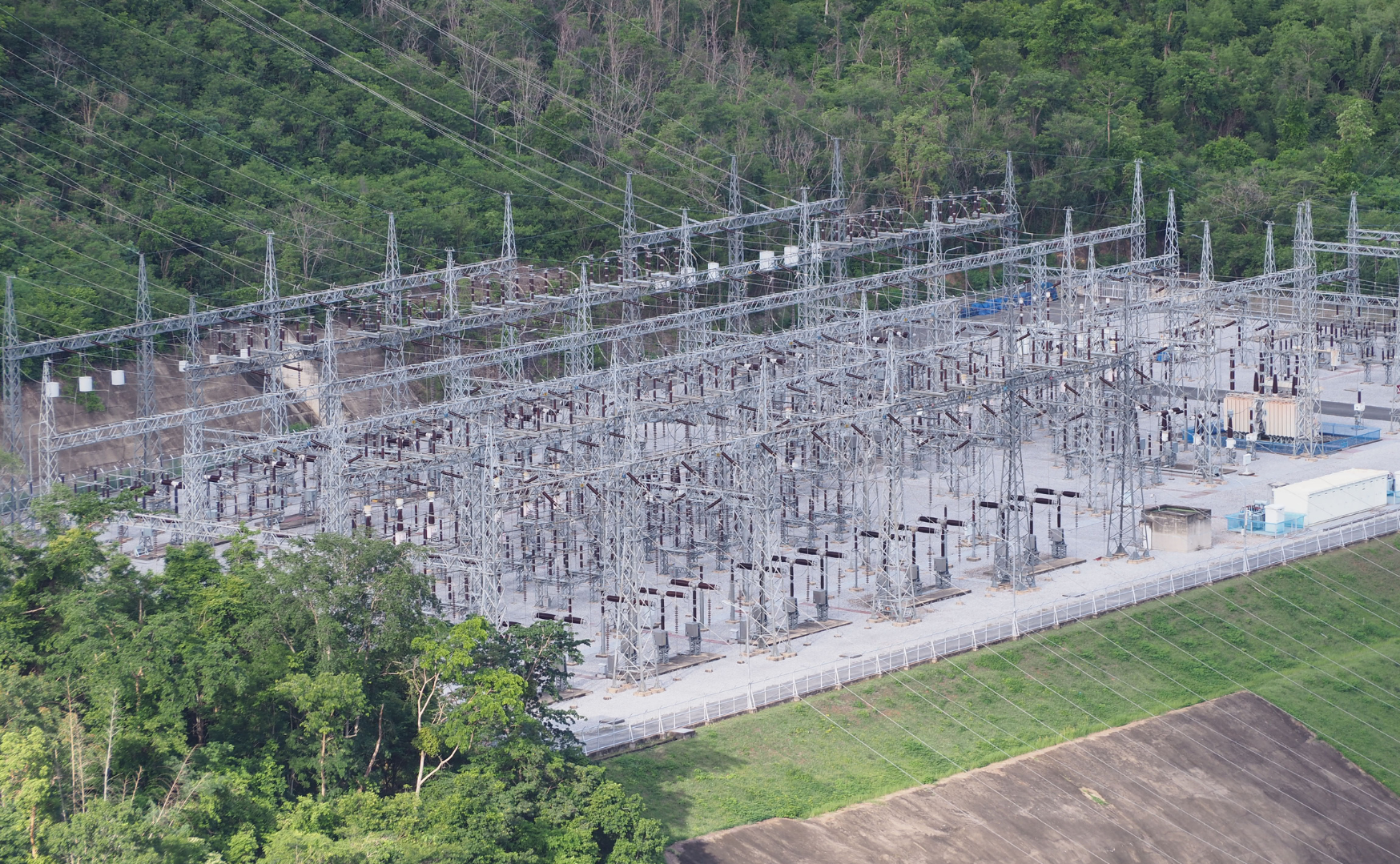
Hostile Reconnaissance Precedes Serious Attempts. A Person Fixed on Your Gate for Minutes at a Time Becomes an Alert — Not a Line in an Incident Report.
The planning stage of an attack on critical infrastructure looks like a person standing outside the perimeter, oriented toward the gate or control building, for longer than any passing glance explains. Gaze detection surfaces that pattern while it's still just surveillance — before it becomes something worse.
- Sustained gaze toward gates, control buildings, and perimeter access points flagged
- Alert fires during the reconnaissance phase — before any attempt
- Covers substations, pump stations, and unmanned secured perimeters
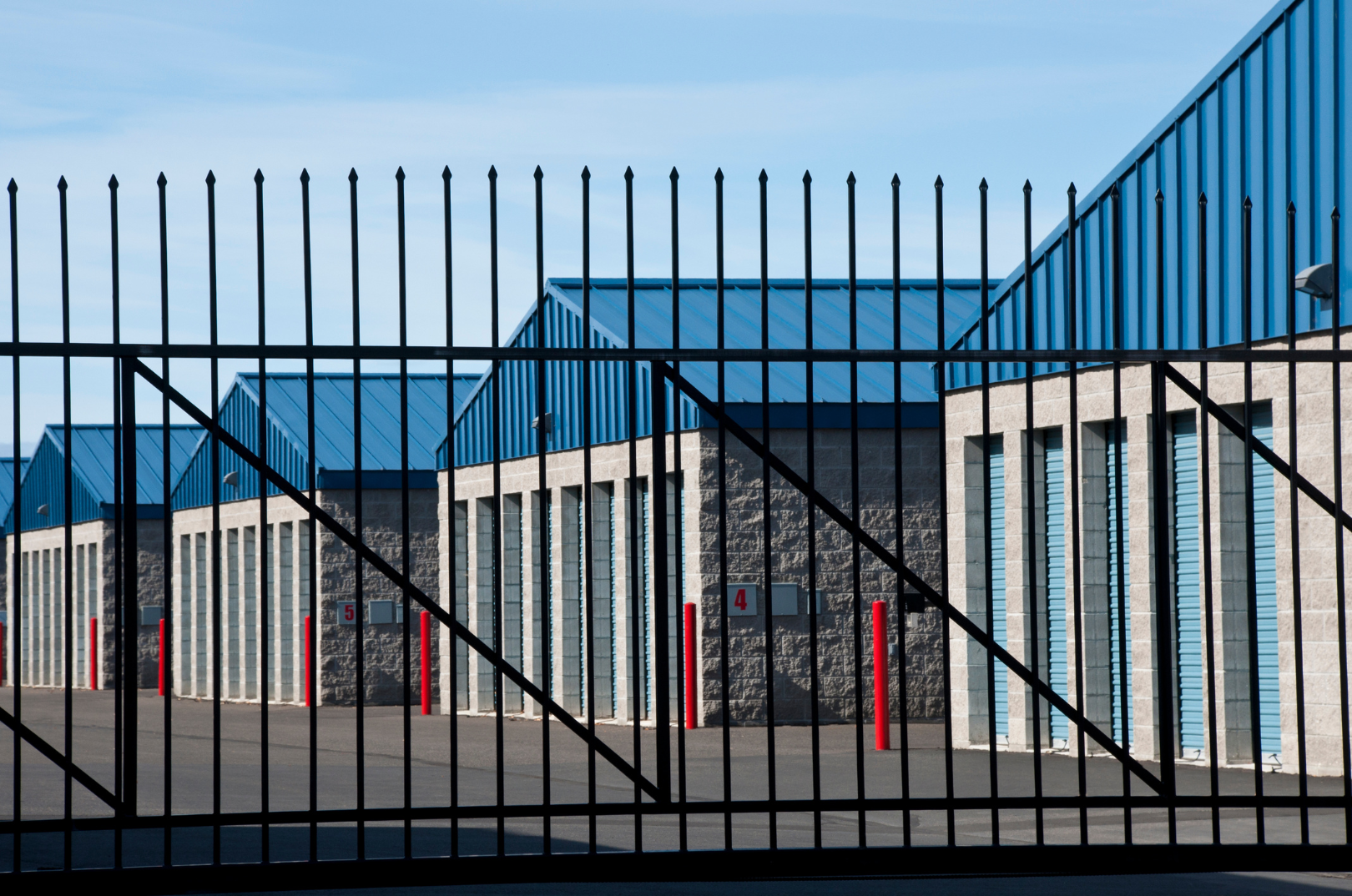
The Person at the Fence Studying Gate Mechanisms and Camera Positions Is Planning a Visit. Catch the Planning Stage.
Sustained attention on gate hardware, camera placement, or equipment layout from outside the perimeter is reconnaissance — the step that comes before the after-hours return. Gaze detection flags that fixed attention while the person is still at the fence, when a voice-down can still end the planning session.
- Sustained gaze on gate mechanisms, cameras, and equipment placement flagged
- Alert fires during the planning stage — before the after-hours return visit
- Covers perimeter fence lines, gate approaches, and equipment storage areas
How It Works
When sustained, deliberate attention is detected, the event streams live to Clear Watch's monitoring operators. An operator assesses the scene — is this window shopping or window casing? — and responds accordingly: a live voice-down over on-site speakers that tells the watcher they've become the watched, and escalation to dispatch when the behavior warrants it, including direct digital 911 delivery.
FAQs
-
By dwell and deliberateness. A passer-by glances while moving; the detection looks for a person intentionally oriented toward the direction of interest for a sustained period you configure. Brief, casual attention never fires.
-
No. The detection analyzes body direction and dwell time to identify deliberate attention — it does not identify who the person is, match faces, or maintain identity records.
-
Any direction of interest a camera overlooks: show windows, showroom glass, ground-floor residential windows, entrances, gates. Direction and dwell time are set per zone to fit each scene.

They're Looking Before They Act. Get the Alert While They're Still Looking.
GET STARTED
Casing behavior happens in plain sight — a person oriented at your storefront, your showroom glass, your perimeter gate, for long enough that it stopped being a glance. Intentional Body Gaze Detection surfaces that sustained attention as a live event, so an operator can respond while the person is still outside and the window to intervene is still open.