

Human Prolonged Stay
Time in a zone isn't the signal. What the person is focused on is. Human Prolonged Stay detects sustained, deliberate attention on a target — not just someone who's been standing there.
There's a difference between a person waiting for a ride and a person watching your register. Human Prolonged Stay is built to tell them apart.
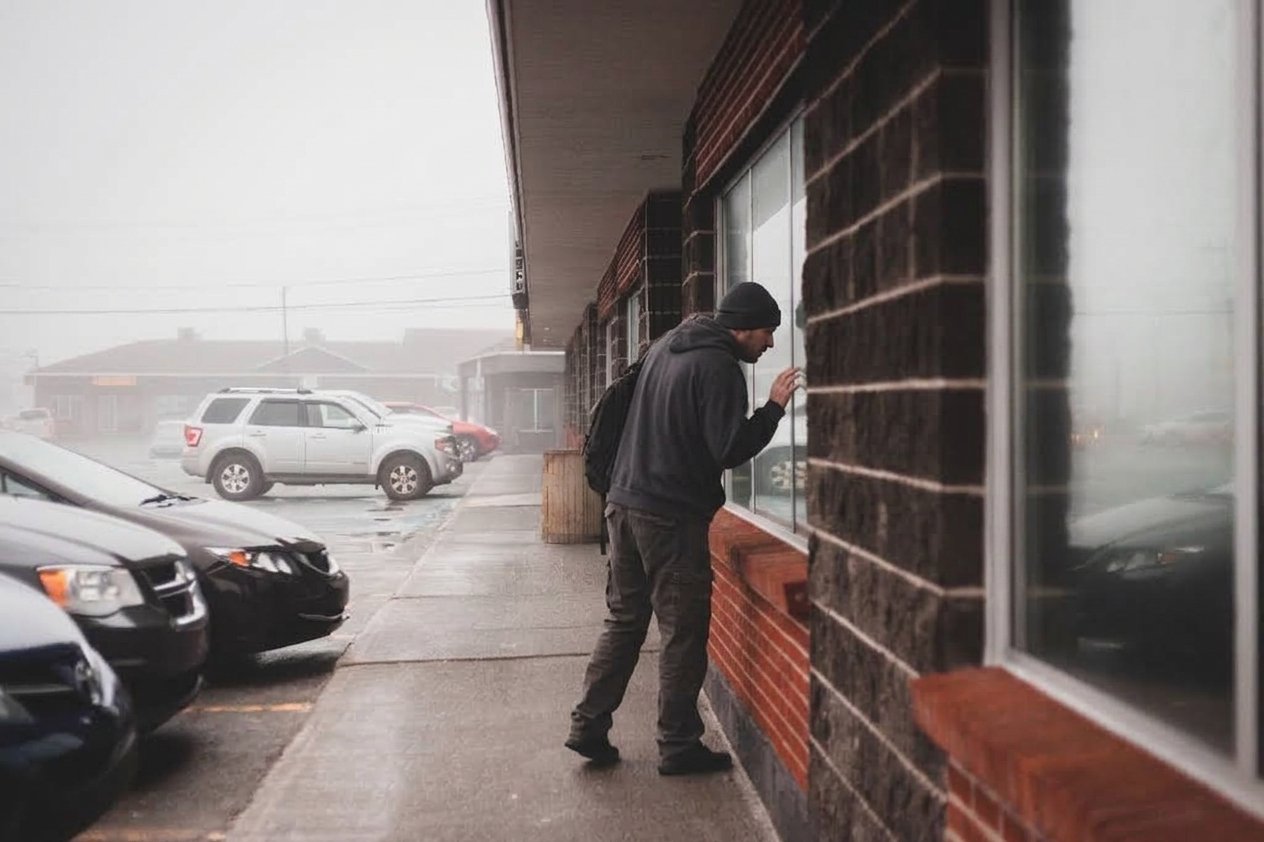
Human Prolonged Stay detects people lingering in a single area whose behavior indicates poor intentions — the pre-robbery pattern of sustained, focused presence near a target. Unlike simple loitering, it considers how the person is positioned and what they are attending to, so someone waiting for a bus or resting on a bench is distinguished from someone observing a cash register, an entrance, or a victim over a prolonged period.
Dwell time and sensitivity are configured per zone, and a filtering process ensures only sustained behavior raises an event — a brief pause or an ordinary wait never becomes an alarm. Human Prolonged Stay is available through Clear Watch's Early Access program for forward-leaning sites that want next-generation behavioral detection ahead of general release.
What It Does

Who Uses It
The Person Outside for Twenty Minutes, Attention Fixed on the Register and the Door, Is the Robbery That Hasn't Started Yet.
Simple loitering detection sees time in a zone. Human Prolonged Stay sees what the person is focused on — and a sustained fix on the register and the entry door reads differently than someone waiting for a ride. The alert fires while intervention is still just a voice-down, before anyone walks through that door with intent.
- Behavior-aware detection distinguishes targeted watching from ordinary waiting
- Alert fires while the person is still outside — voice-down response before entry
- Covers storefront exteriors, parking areas, and late-night counter approaches

The Observer Stationed Near the ATM Studying Customer Patterns Is in the Surveillance Phase — the Step That Precedes Both Robbery and Customer-Follow-Off Crimes.
Someone standing near an ATM entrance isn't always waiting to use it. Sustained attention on customer arrival patterns, transaction timing, and exit routes is reconnaissance — the step that precedes a robbery or a follow-off. Human Prolonged Stay surfaces that behavioral pattern before the surveillance phase completes and the next step begins.
- Intent-aware detection on sustained attention near ATMs and branch entrances
- Flags the surveillance phase before it transitions to action
- Covers ATM vestibule approaches, branch exteriors, and check-cashing entry points

Separate the After-Dinner Window Shopper from the Person Spending a Sustained Stretch Focused on the Key Box or a Specific Vehicle Row.
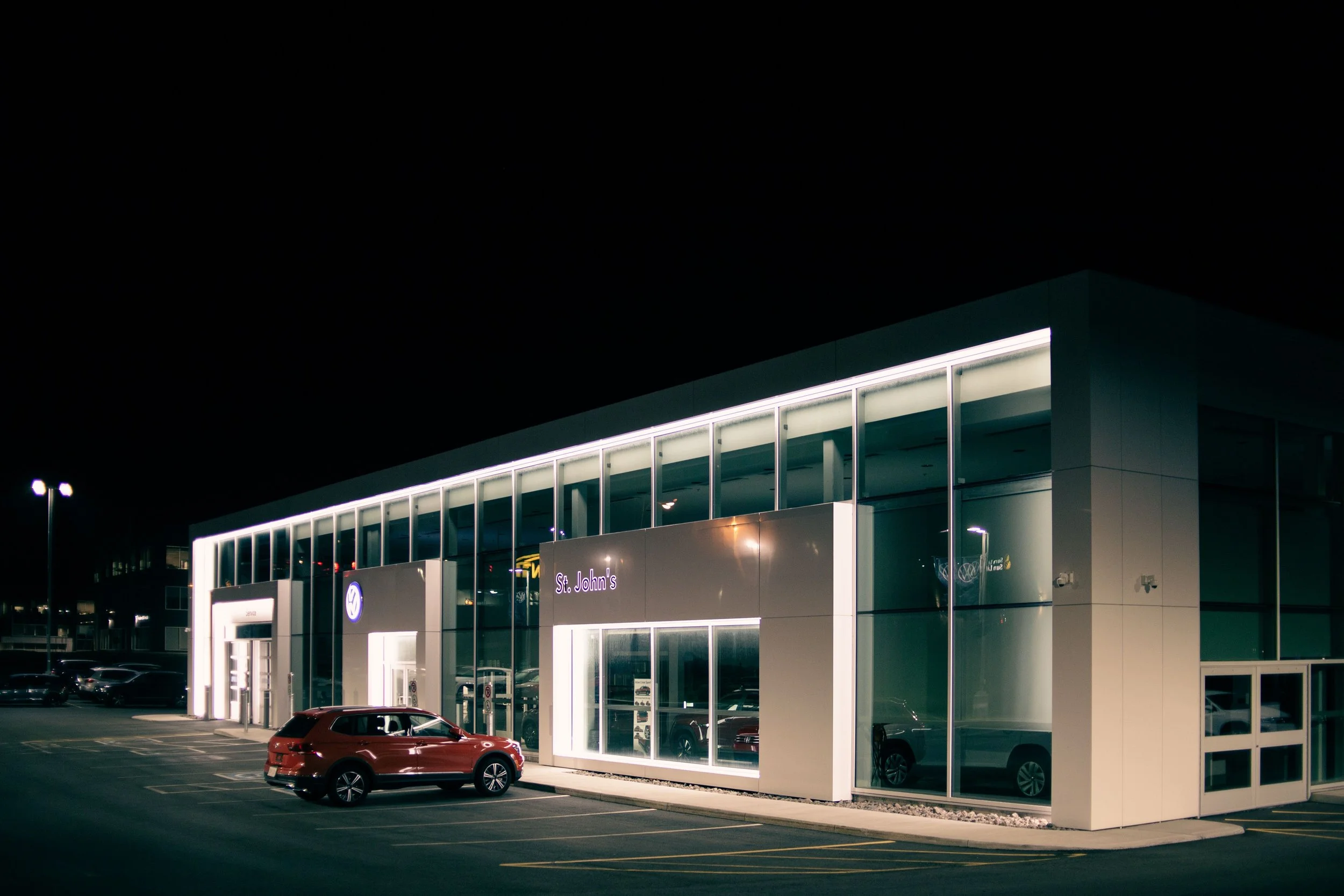
Window shoppers look at cars. A person casing a dealership looks at key boxes, office doors, and specific inventory rows — and stays focused there for longer than curiosity explains. Human Prolonged Stay reads that difference in position and attention, so the alert fires on the behavior that precedes a theft, not on every person who walks past the showroom after dinner.
- Distinguishes casual browsing from sustained focus on high-value targets
- Flags attention on key boxes, office approaches, and specific inventory rows
- Covers showroom exteriors, lot perimeters, and after-hours approaches
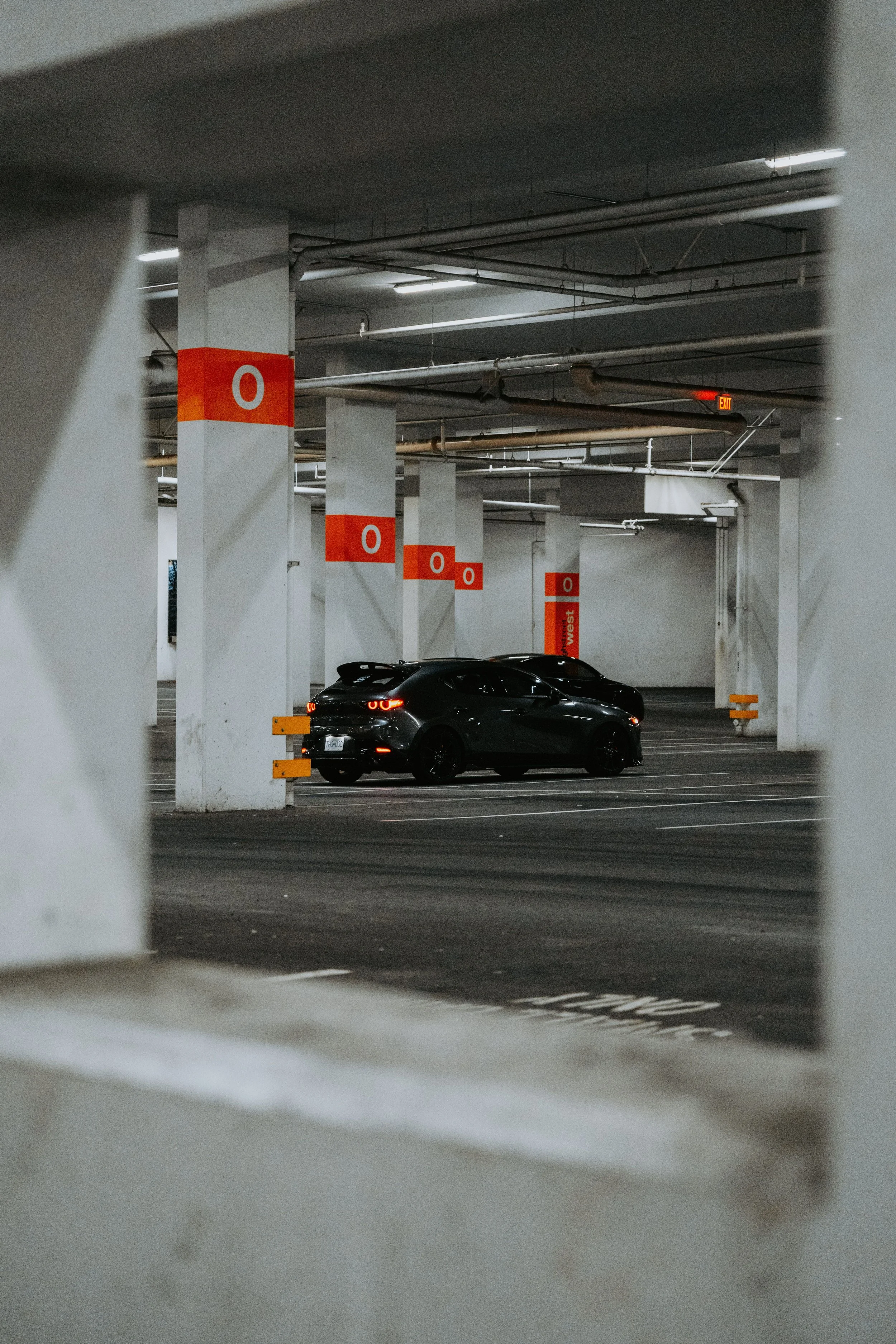
Garages, ATM Vestibules, and Rear Entrances Attract Predatory Waiting. Intent-Aware Alerts Surface the Person Watching for a Victim — Not Just Anyone Standing Still.
A person standing in a parking garage isn't necessarily a threat. A person standing in a parking garage with sustained attention on the elevator door, the stairwell exit, or incoming foot traffic is a different situation entirely. Human Prolonged Stay surfaces the behavioral difference — so security responds to intent, not just presence.
- Intent-aware detection in garages, vestibules, and rear access points
- Distinguishes predatory waiting from ordinary presence in shared spaces
- Covers parking structures, ATM vestibules, and building rear approaches
A Higher-Signal Event Class for Premium Accounts — Alerts That Already Encode Behavioral Suspicion, Reducing Triage Time on the Events That Matter Most.
Standard person detections require an operator to assess intent from scratch. Human Prolonged Stay events arrive with behavioral suspicion already encoded — the detection has already filtered for position, attention, and dwell pattern. Operators spend less time deciding whether an event matters and more time responding to the ones that already do.
- Behavioral suspicion encoded in the event before it reaches the operator
- Reduces triage time on high-priority events across monitored accounts
- Differentiates premium monitoring tiers with next-generation behavioral detection

How It Works
When prolonged, intent-indicating behavior is detected, the event streams to Clear Watch's monitoring operators with live video. An operator evaluates what the person is doing — and a voice-down over on-site speakers does something powerful to someone who believed they were the unseen observer. When behavior escalates or persists, operators escalate to dispatch, including direct digital 911 delivery.
FAQs
-
Loitering Detection measures time in a zone. Human Prolonged Stay adds behavior: how the person is positioned and what they're attending to, so a person waiting or resting is distinguished from a person observing a target over a prolonged period. Fewer, higher-signal alerts.
-
That's exactly what it's built not to do. Someone simply waiting shows different positioning and attention than someone fixated on a target, and per-zone dwell and sensitivity settings plus filtering keep ordinary waiting below the alert threshold.
-
It's available now through Clear Watch's Early Access program — deployed and monitored like any other service, with your feedback shaping the detection as it matures toward general availability.

A person waiting for a ride and a person casing your register can stand in the same spot for the same amount of time. The difference is where their attention is. Human Prolonged Stay analyzes position and attention together — so the alert fires on behavior that indicates a target, not on everyone who's been standing there too long.
Loitering Detection Sees Time — This Sees Intent
GET STARTED