

Hand & Foot Intrusion
Hand & Foot Intrusion
Catch what standard intrusion detection misses — the reach, the grab, and the manipulation that happens outside the zone boundary.
Not every intrusion involves a body crossing a line. Sometimes it's just an arm through a gap, a reach over a counter. Hand & Foot Intrusion catches the intrusions everything else misses.
Hand & Foot Intrusion detects when a hand or foot enters a protected area — covering the cases where the whole body never crosses the boundary. Reaching through a fence gap, over a counter, into a machine, past a display: conventional intrusion detection doesn't register any of it, because the person technically never entered the zone. This detection watches for the limb, not the body.
Protected areas are configured within the camera view, drawn tightly around exactly what needs protecting — a cash drawer, a gap in a barrier, a hazardous mechanism. Detection is engineered to remain reliable at the small object sizes this application demands, so a hand at the edge of a zone registers as dependably as a person walking through a gate.
What It Does
Who Uses It
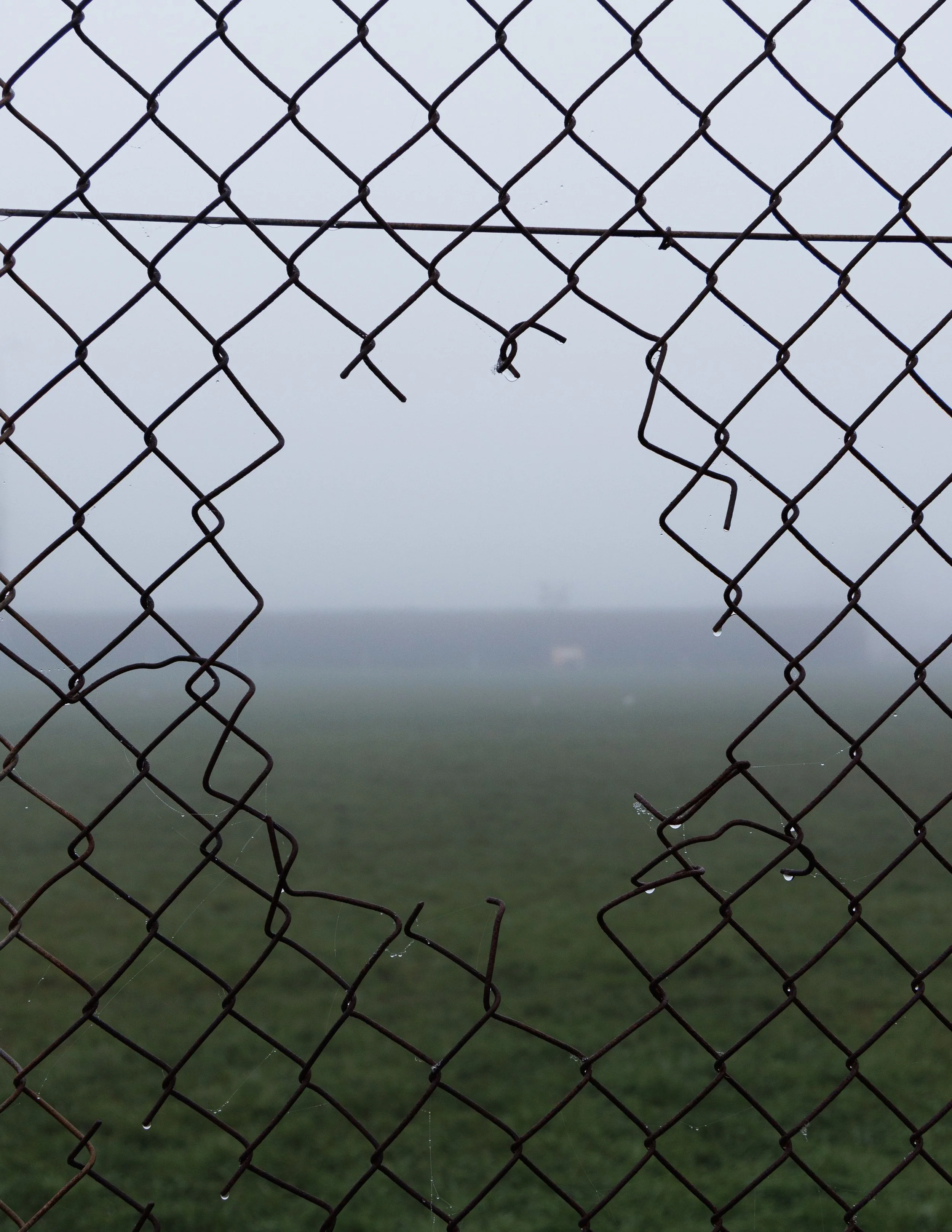
Reaching Through Gate Bars to Manipulate a Latch Never Trips Full-Body Detection. Limb-Level Zones Cover the Exact Gaps Intruders Exploit.
The gap in the gate is the vulnerability — and it's too narrow for a body, which is exactly why standard detection misses it. Hand & Foot Intrusion draws the protected zone around the latch itself, so the reach that would open the gate is the event that fires the alert.
- Zones drawn around latches, locks, and fence gaps — not the whole gate
- Flags the reach before the latch is manipulated
- Covers gate bars, fence gaps, and perimeter access points

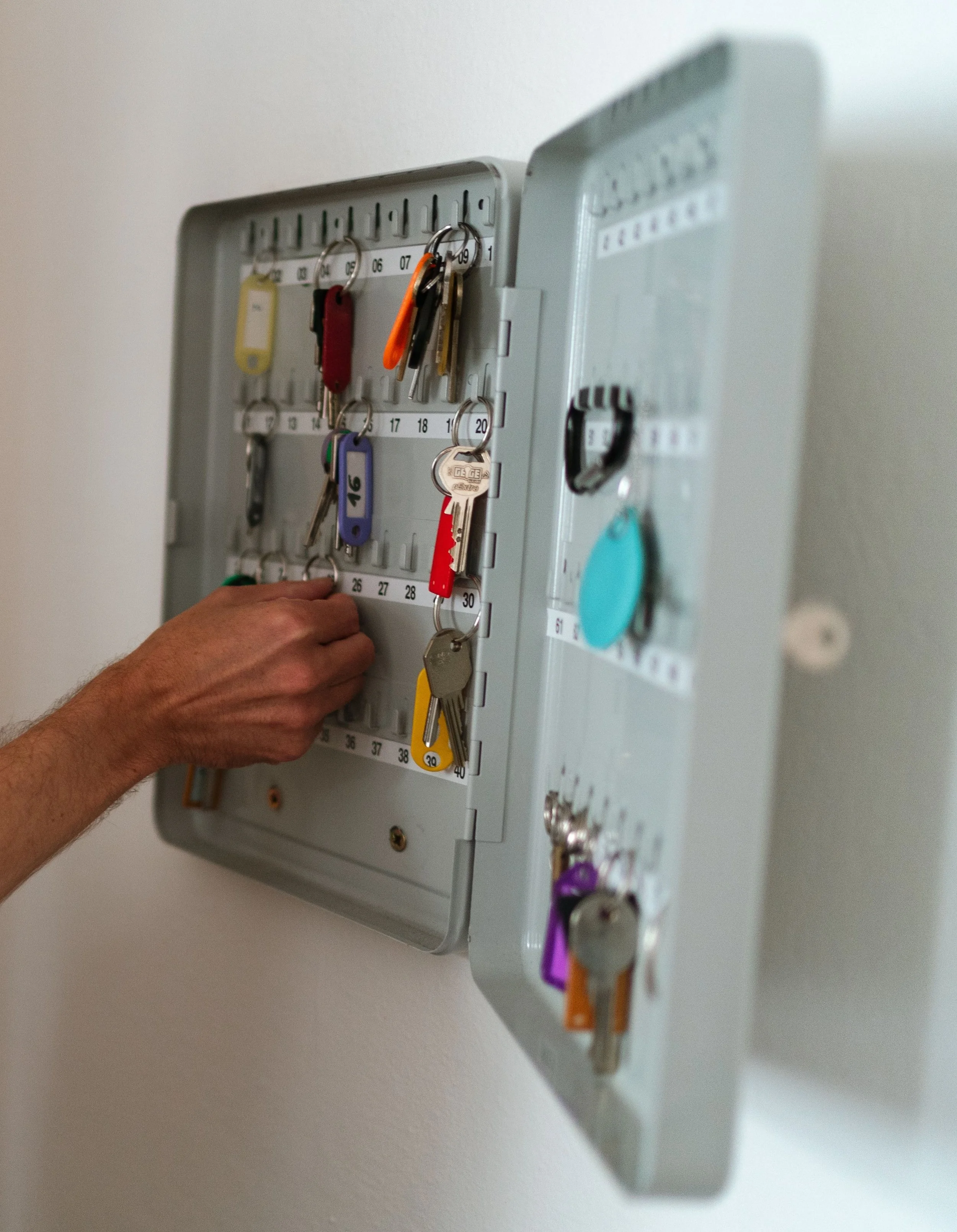
The Theft at a Key Cabinet Is a Reach, Not an Entry. An Arm Extended Toward the Box Is the Event — and It Gets Flagged.
Key drop boxes, lockboxes, and parts counters are targets of opportunity — the theft happens in seconds, from outside the protected area, without the person ever entering the zone. Hand & Foot Intrusion watches the asset itself, not the approach, so the reach is what triggers the alert.
- Zones drawn around key cabinets, drop boxes, and parts counter openings
- Alert fires on the reach — before any key is taken
- Covers service counters, lockbox walls, and key storage areas

A Hand Reaching Into a Control Cabinet Is Both a Security Breach and a Life-Safety Event. Detection Covers Both at Once.
Unauthorized contact with control cabinets, valve assemblies, or equipment fencing isn't just a security issue — it's a potential catastrophic safety event. Hand & Foot Intrusion flags the reach the moment it enters the protected zone, before any control is touched or any damage is done.
- Zones drawn around control cabinets, valve assemblies, and equipment fencing openings
- Alert fires before any control is touched
- Covers both security breach and life-safety event scenarios simultaneously

The Over-the-Counter Reach Happens in Two Seconds While Staff Are Turned Away. That's the Window Detection Has to Close.
Cash drawers, display cases, and service counters are exposed every time a staff member turns around. The reach takes less time than it takes to notice it happened. Hand & Foot Intrusion draws the protected zone around the asset — the drawer, the case, the counter opening — and alerts the moment a hand crosses into it.
- Zones drawn around cash points, display cases, and counter openings
- Alert fires in real time — not on footage review after the loss
- Covers service counters, pharmacy windows, and jewelry display cases

Whether the Motive Is Theft or a Shortcut Around a Safety Guard, a Reach Into a Secured Cage or Machine Opening Is the Event to Catch.
Tool cribs and secured cages stop walking in — they don't stop reaching through. Machine guards stop accidental contact — they don't stop someone deliberately bypassing them. Hand & Foot Intrusion closes both gaps, covering the asset and the opening at the same time.
- Zones drawn around tool crib openings, cage gaps, and machine guard perimeters
- Covers both theft attempts and deliberate safety guard bypasses
- Alert fires on the reach — before contact is made

How It Works
The instant a hand or foot enters a protected area, the event streams to Clear Watch's 24/7 monitoring operators. They assess the live video — theft attempt, tampering, or safety violation — issue a live audio voice-down over on-site speakers to interrupt the act in progress, and escalate to dispatch when warranted, including direct digital 911 delivery. A reach takes seconds; so does the response.
FAQs
-
Regular intrusion detection triggers when a person enters a zone. Someone standing outside the boundary and reaching in never enters — their body stays legal while their hand commits the act. Hand & Foot Intrusion detects the limb itself, closing that gap.
-
Yes — the detection is specifically designed to remain reliable at the small object sizes this application requires, which is what separates it from general-purpose detection stretched beyond its intent.
-
Any area you can draw in the camera view: counters, cash points, display cases, fence and gate gaps, machine openings, control cabinets. Zones are configured tightly around the asset, so ordinary nearby activity doesn't trigger events.

Full-Body Detection Has a Blind Spot. Hand & Foot Intrusion Closes It.
GET STARTED
Full-body detection has a blind spot: everything that happens outside the zone boundary. A reach over a counter, through a gate gap, into a cabinet — the person technically never entered, so no alert fires. Hand & Foot Intrusion closes that gap by watching the limb itself, drawn tightly around exactly what needs protecting.