
Gun Detection
Gun Detection
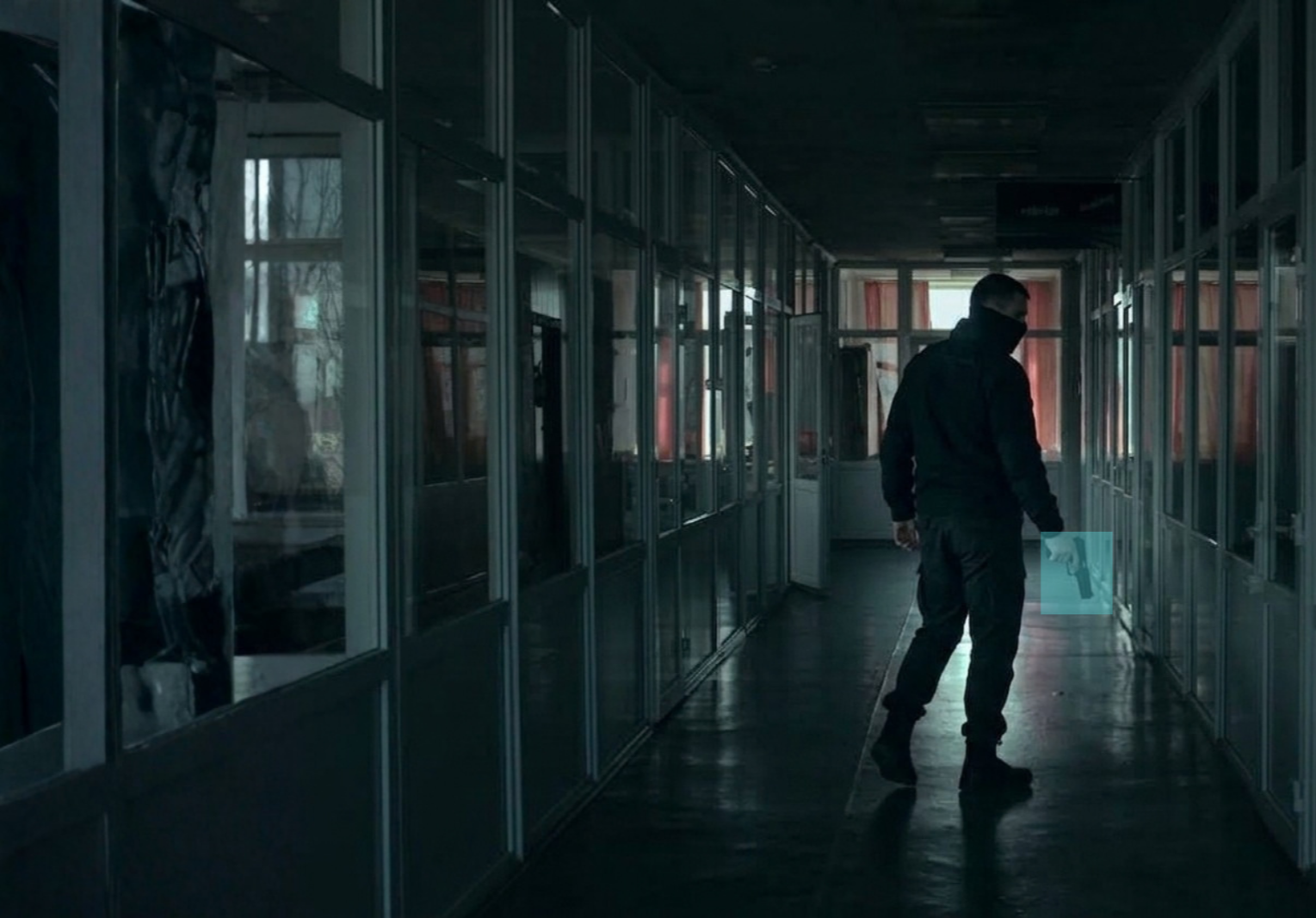
Gun Detection flags a suspected firearm the moment it appears on camera — giving operators, staff, and responders the seconds that separate early warning from no warning at all.
In an armed incident, the response clock starts when someone notices. Gun Detection starts it the moment a firearm appears on camera — not minutes later, when the first call reaches 911.
Gun Detection analyzes video to detect people carrying firearms and flags suspected firearm situations to control and security teams without delay. It's optimized for one thing: rapid awareness that secures the golden time of a response — the earliest minutes when lockdown, warning, and dispatch decisions save lives. Every suspected detection supports human verification, serving as an assisting tool that complements on-site judgment rather than replacing it.
The detection combines on-device processing with advanced contextual understanding and fine detail recognition, so it can distinguish a suspected firearm within the complexity of a real scene. It is designed for fast, verified awareness — not for identifying a specific armed individual within a dense crowd — and it's offered through Clear Watch's Early Access program for forward-leaning sites that want this capability now.
What It Does
Who Uses It
Workplace Violence Rarely Arrives Without Seconds of Visual Warning. Detection Converts Those Seconds Into Lockdown and Dispatch Time.
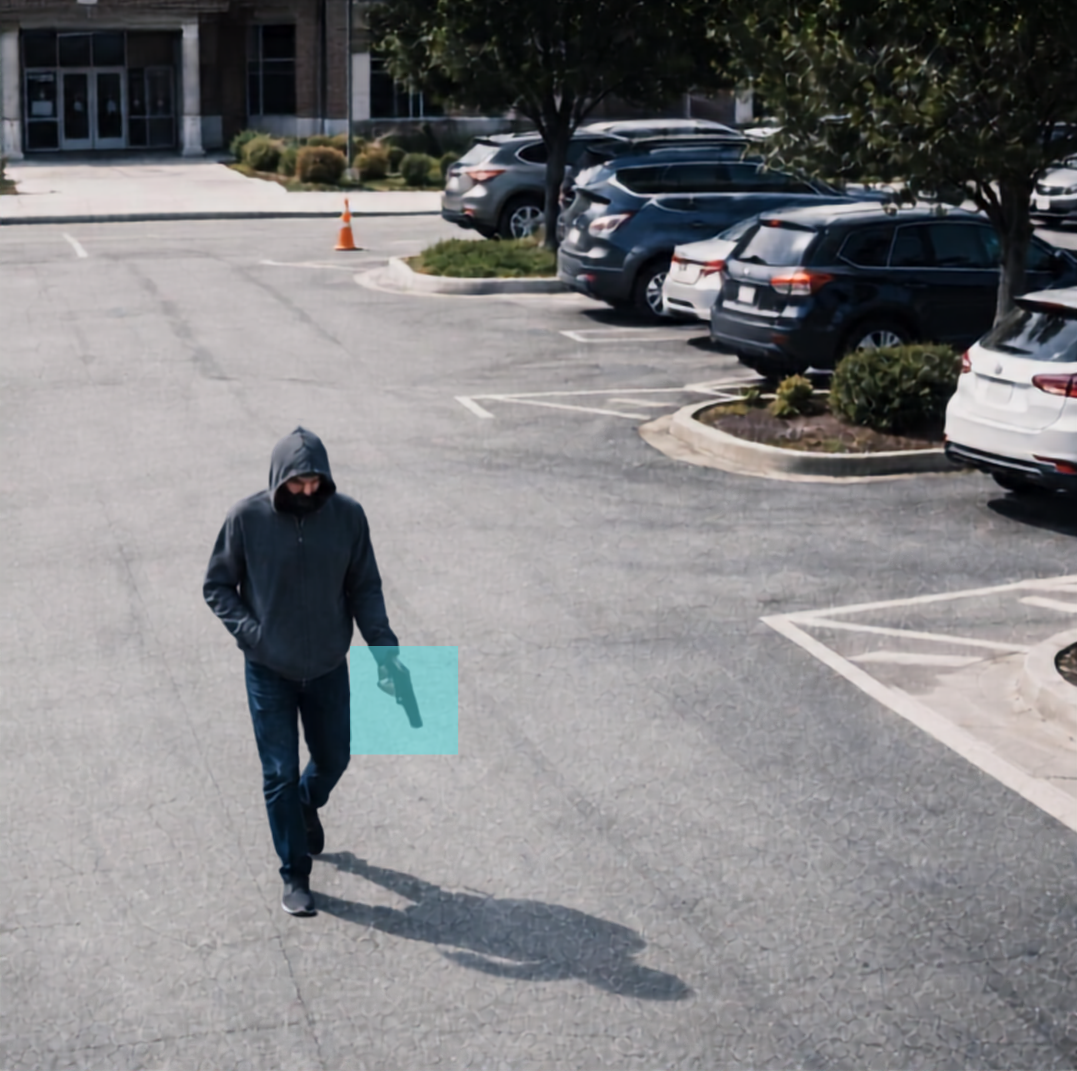
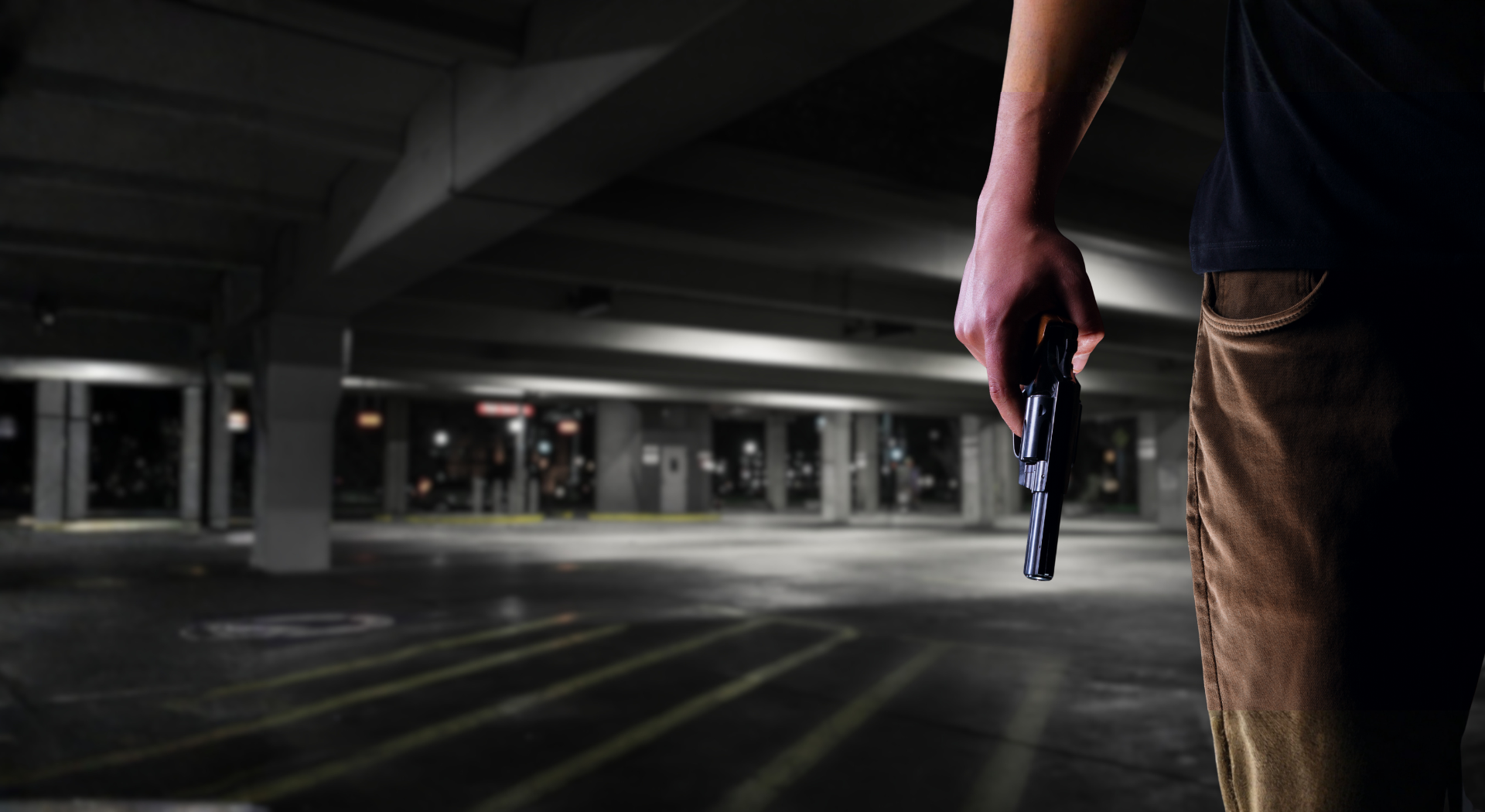
A firearm visible in a parking lot or lobby is a warning the camera sees before anyone else does. Gun detection flags that moment automatically — putting operators on the scene, warning staff, and starting dispatch while the subject is still outside the building or steps inside the door.
- Firearm flagged in parking lots, lobbies, and corridors before the situation escalates
- Operators notified and dispatch initiated while the subject is still approaching
- Covers corporate campuses, office towers, and multi-building commercial properties

Armed Robbery at a Showroom Unfolds Fast. A Firearm Flagged as the Subject Approaches Gives Operators Time to Warn Staff Before the Door Opens.
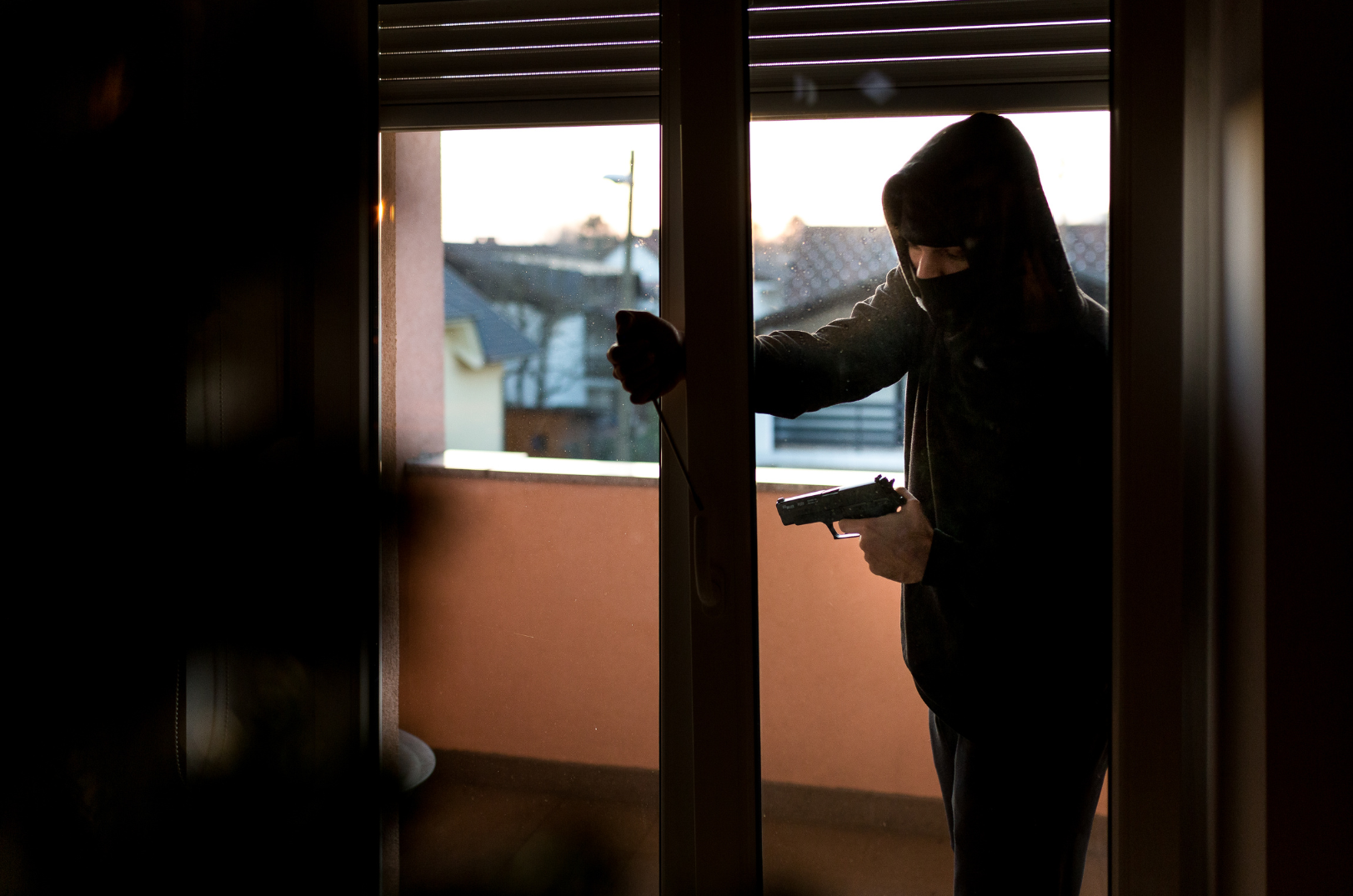
The window between a firearm appearing on camera and a robbery in progress is seconds — and it's the only window that allows a meaningful response. Gun detection uses those seconds: operators are on the scene, staff are warned, and dispatch is already moving before anyone walks through the door.
- Firearm flagged on approach — alert fires before the subject reaches the entrance
- Staff warned and dispatch initiated in the seconds before entry
- Covers showroom approaches, lot perimeters, and late-night counter access points

An Armed Individual Approaching a Secured Facility Is the Highest-Severity Event a Perimeter Can Produce. Detection Ensures Escalation in Seconds — With Video Evidence Attached.
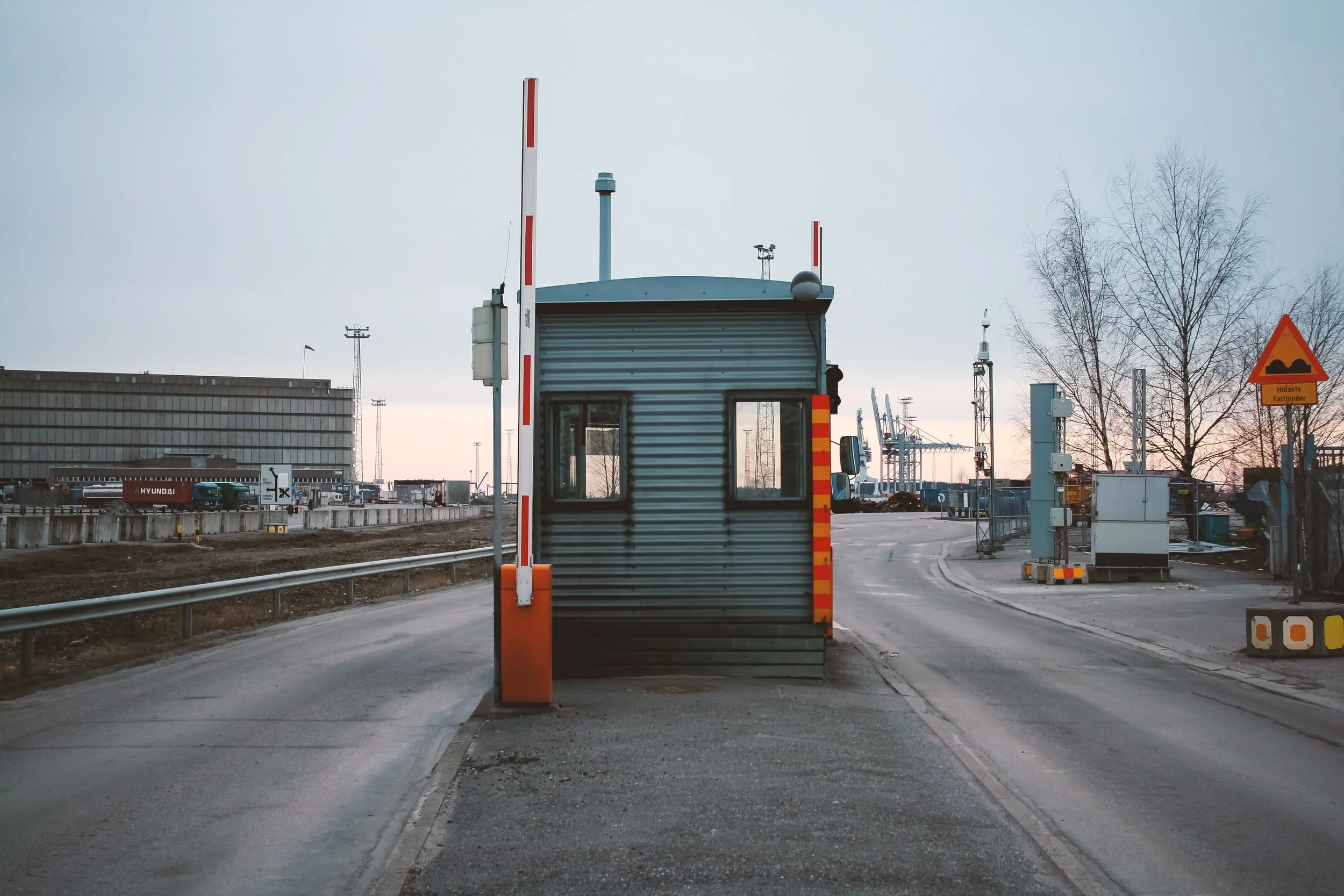
At a substation, water treatment plant, or pipeline facility, an armed approach isn't a security incident — it's a potential national security event. Gun detection flags the firearm the moment it appears in the camera view, with live video attached, so the escalation to law enforcement happens in seconds rather than after the fact.
- Armed approach flagged immediately with live video attached to the alert
- Escalation to dispatch and law enforcement in seconds — not after the fact
- Covers perimeter roads, gate approaches, and checkpoint entry points
When the Difference Between Detection at the Parking Lot and Detection at the Door Is Measured in Lives, Every Second of Warning Matters.
Automated firearm detection plus live-operator verification shortens every step of the response — from the moment a weapon appears on camera to the moment lockdown is initiated and law enforcement is moving. Detection at the perimeter is detection before anyone is inside, and that distance is what response time is built on.
- Firearm flagged at the perimeter — before the subject reaches any entrance
- Live-operator verification before lockdown and dispatch are initiated
- Covers parking lots, campus perimeters, building approaches, and public gathering areas
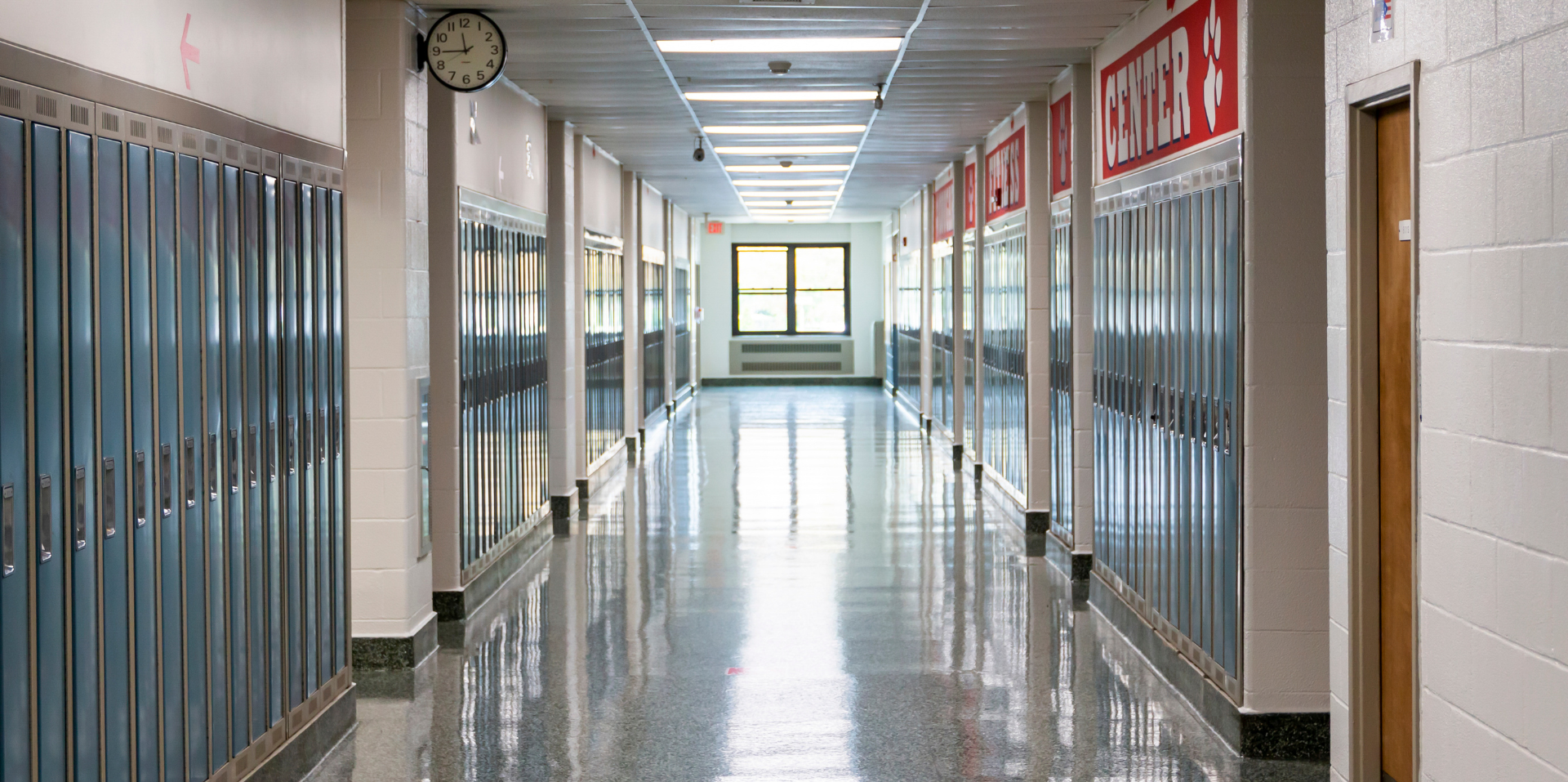
A Verified Firearm Event Is the Definition of Priority Dispatch — Human-Verified Gun Detections Give Telecommunicators Confirmed Intelligence Instead of an Unverified Alarm.
An unverified alarm signal tells a telecommunicator something may be wrong. A human-verified gun detection tells them exactly what is wrong, where it is, and what's on camera right now. That's confirmed, actionable intelligence — the kind that drives faster dispatch decisions and better-prepared first responder arrivals.
- Human-verified firearm events delivered as confirmed intelligence — not raw alarm signals
- Faster dispatch decisions from telecommunicators with verified video context
- Better-prepared first responder arrivals with live scene information attached
How It Works
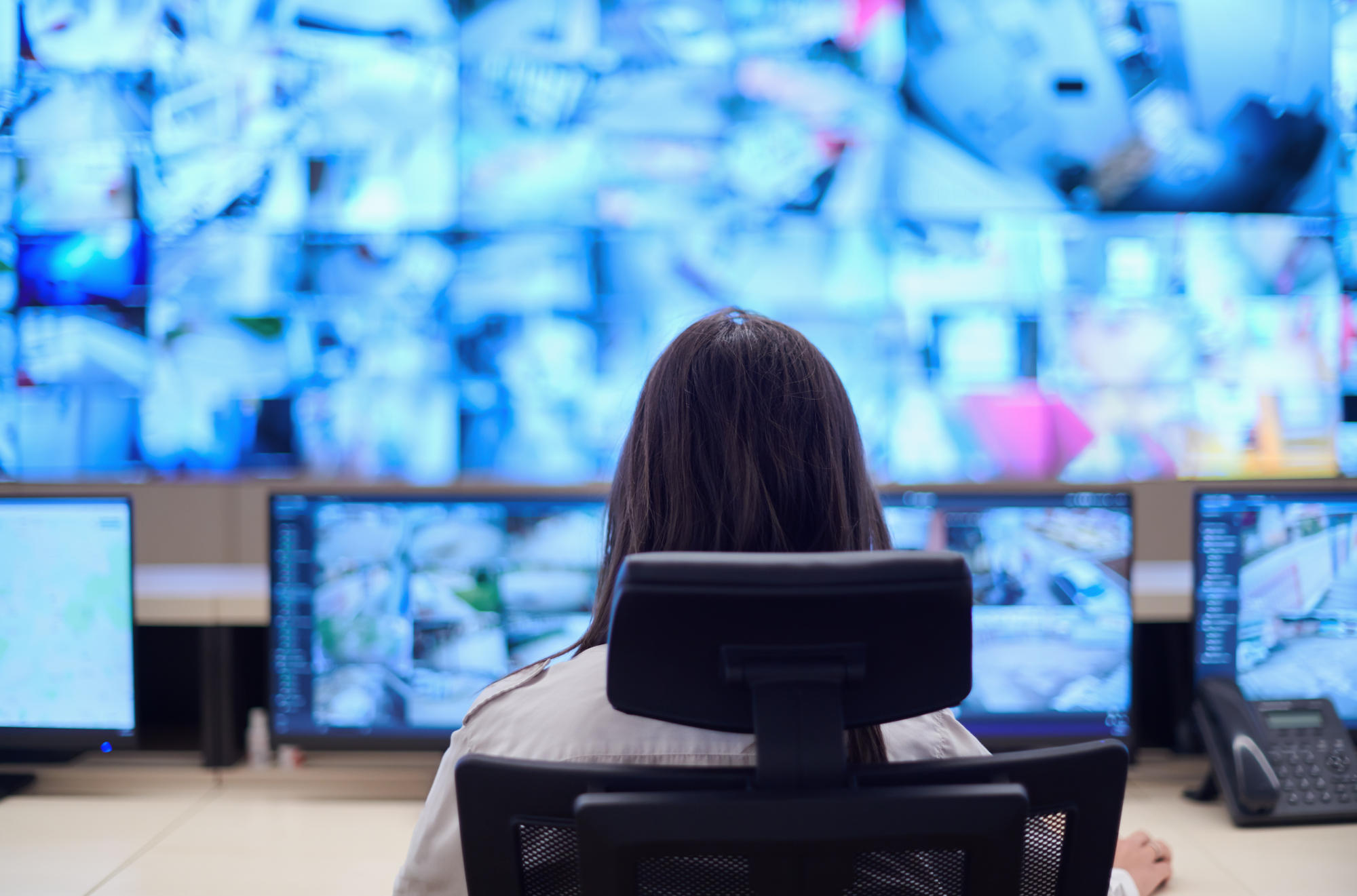
A suspected firearm detection streams to Clear Watch's 24/7 monitoring operators instantly. A trained operator verifies the threat on live video — the human judgment the detection is built to support — then acts on the fastest path: alerting on-site personnel, initiating emergency escalation, and delivering direct digital 911 dispatch to more than 700 PSAPs with verified video intelligence responders can act on before arrival.
FAQs
-
No — and that's by design. Every suspected detection is verified by a live Clear Watch operator before escalation, so responding agencies receive confirmed, actionable events rather than automated false alarms. Verified events move to dispatch in seconds, including direct digital 911 delivery.
-
No. Gun Detection flags suspected firearm situations for rapid awareness and human verification. It is not designed to identify a specific armed individual in dense crowds, and it performs no identity matching.
-
The detection is optimized for rapid awareness — securing the golden time of response. Detection is immediate, operator verification takes seconds on live video, and escalation flows through Clear Watch's direct digital 911 delivery rather than waiting on a phone call from the scene.
Detect the Gun Before It Reaches the Door
GET STARTED
In an armed incident, the minutes between a weapon appearing and the first verified call to dispatch are the ones that determine what responders walk into. Gun Detection starts that clock at the camera — with automated detection, live-operator verification, and direct digital 911 delivery that puts confirmed intelligence in the hands of first responders before they arrive.