
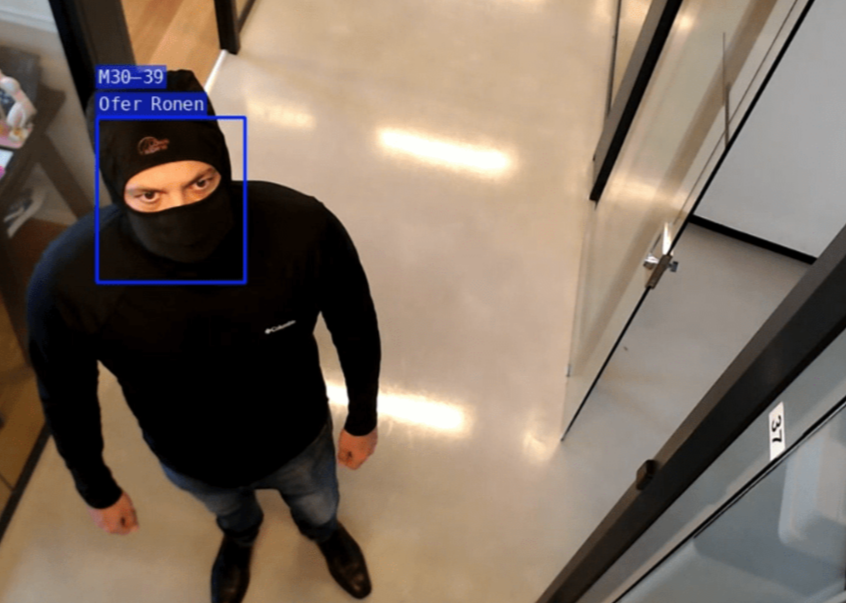
Covered Face Detection
Covered Face Detection
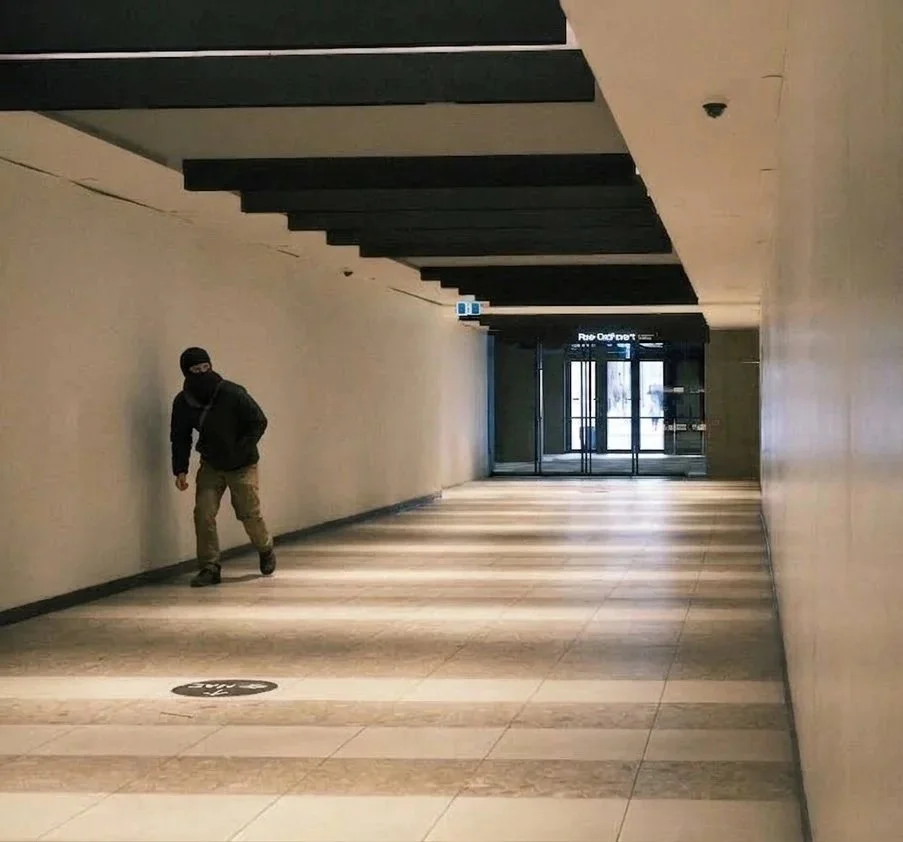
A mask, hood, or helmet at the wrong place and time isn't ambiguous — it's an alert.
The face someone hides on the way in tells you what they plan to do inside. Covered Face Detection flags concealment at the door — before the person reaches the counter.
Covered Face Detection identifies faces obscured by masks, hoods, motorcycle helmets, and similar items at the places where a concealed face is itself the risk indicator: entrances, ATMs, and counters. The alert lands before the person reaches the point of transaction — giving staff, operators, and responders the head start that makes the difference between a deterred attempt and a completed robbery.
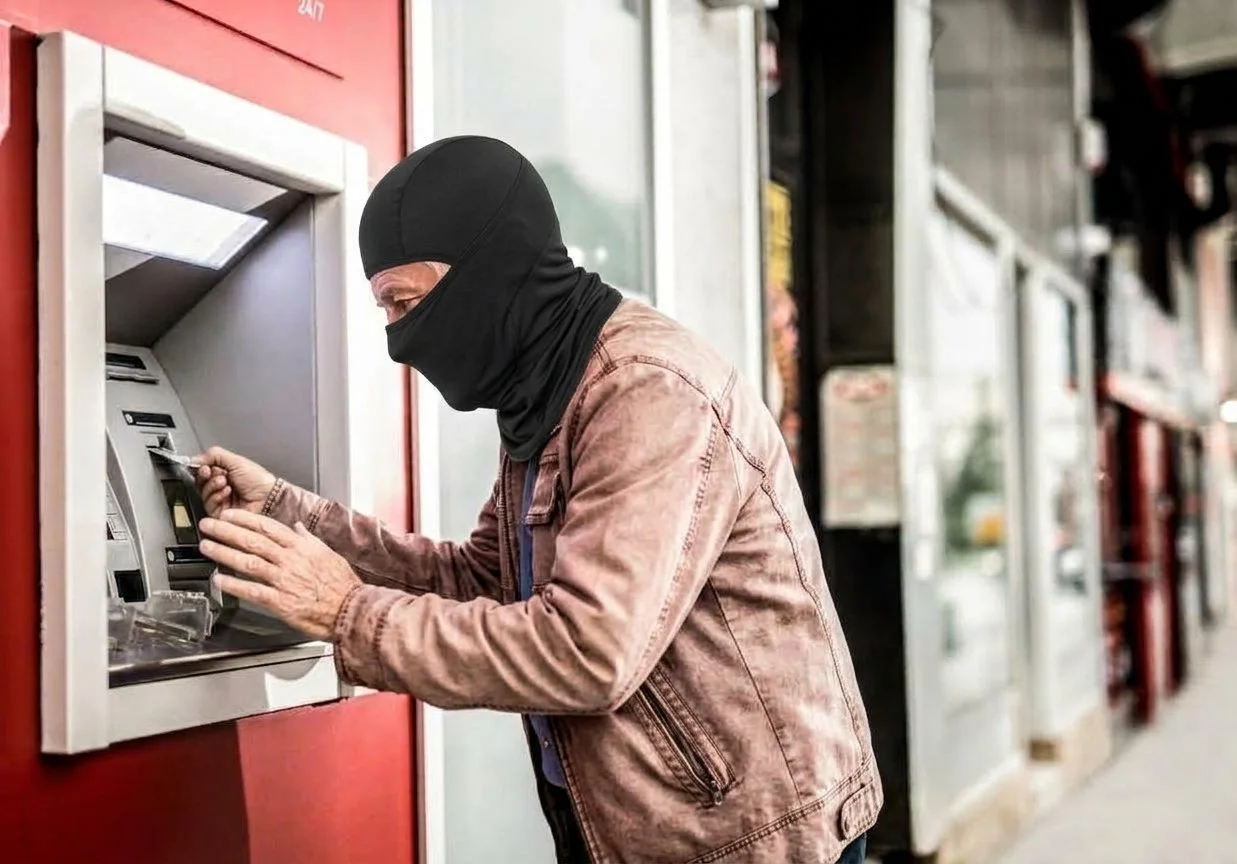
The types of covering that trigger an event can be selected individually, so a site can permit medical masks while still flagging helmets or hoods — matching the policy to the risk rather than forcing an all-or-nothing rule. For front-facing cameras where the face fills the frame, such as ATMs, kiosks, and entrance gates, Clear Watch also offers CloseCam Covered Face, a variant optimized for close-range camera geometry.
What It Does

Who Uses It
A Helmet or Full Concealment Entering a Branch Vestibule Is the Classic Robbery Precursor — Flagged While the Person Is Still at the Door.
Bank robberies don't start at the counter — they start at the entrance. A person entering a branch or ATM vestibule with full facial concealment is an objective indicator that reaches staff and monitoring operators while there's still time to lock the door, warn the teller, and contact dispatch before anyone reaches the counter.
- Concealment alert fires at the vestibule — before the person reaches staff
- Operator eyes on the scene immediately with live video attached
- Covers branch entrances, ATM vestibules, and drive-through approaches

Late-Night Counters Are the Most Robbed Retail Environment in America. Concealment Alerts Give the Clerk Seconds of Warning.
A masked or fully concealed person entering a convenience store after midnight isn't an ambiguous signal. The concealment alert fires at the door — getting operator eyes on the register camera immediately and giving the clerk the seconds that make a difference between being caught off guard and being prepared.
- Alert fires at entry — operator eyes on register camera before the person reaches the counter
- Gives staff advance warning while the person is still near the door
- Covers store entrances, register areas, and after-hours counter access points

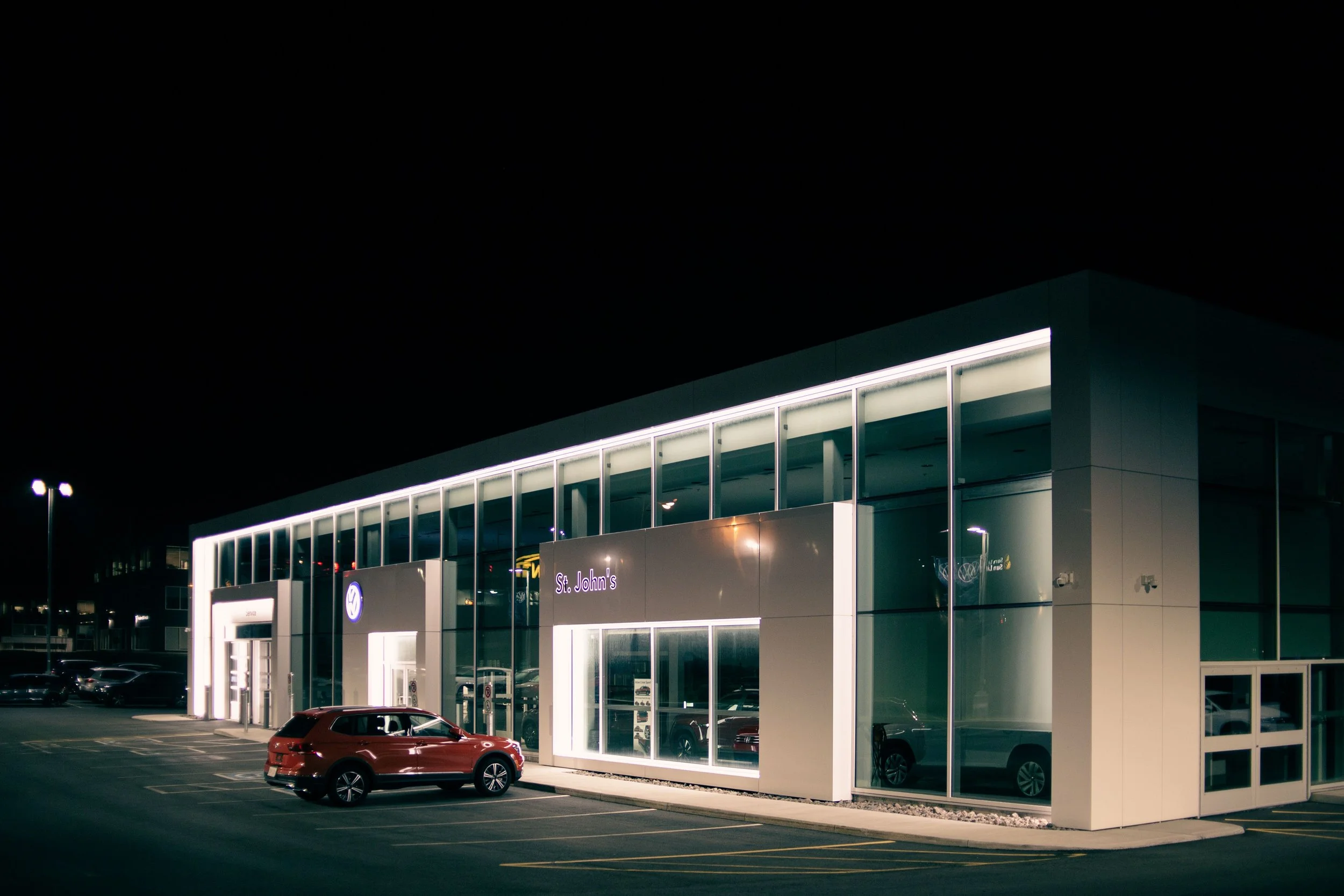
Hooded or Masked Individuals Moving Through the Lot After Hours Are Flagged as High-Priority Events — Not Generic Person Detections.
A person moving through a dealership lot after close generates a person detection. A masked or hooded person moving through that same lot generates a concealment alert — a categorically different event that reaches operators with higher urgency and routes to a different response workflow from the start.
- Concealment-specific alerts routed separately from standard after-hours person detections
- Higher-priority response from monitoring operators on concealed individuals
- Covers lot perimeters, inventory rows, and showroom approaches after hours
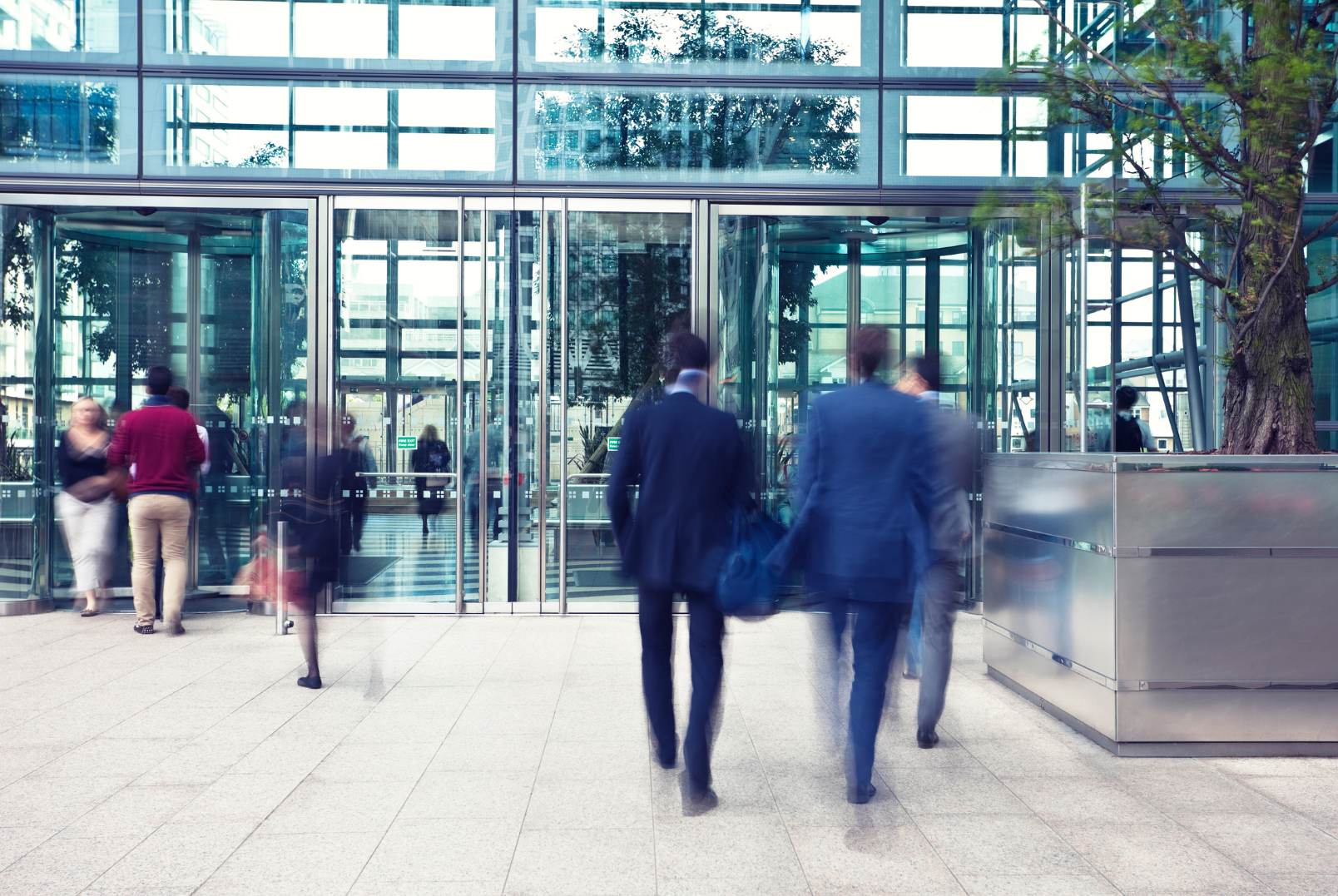
Screen Building Entrances for Deliberate Concealment During Entry — Before the Person Reaches the Elevator.
A lobby is the last controllable choke point before a building's interior. Deliberate concealment at entry is an early, objective indicator — one that doesn't require a subjective judgment call about whether someone looks suspicious. The alert reaches security while the person is still in the lobby, when interception is still straightforward.
- Concealment detected at the entrance — alert fires before the person clears the lobby
- Objective indicator that removes subjectivity from the threat assessment
- Covers building entrances, lobby cameras, and controlled-access entry points
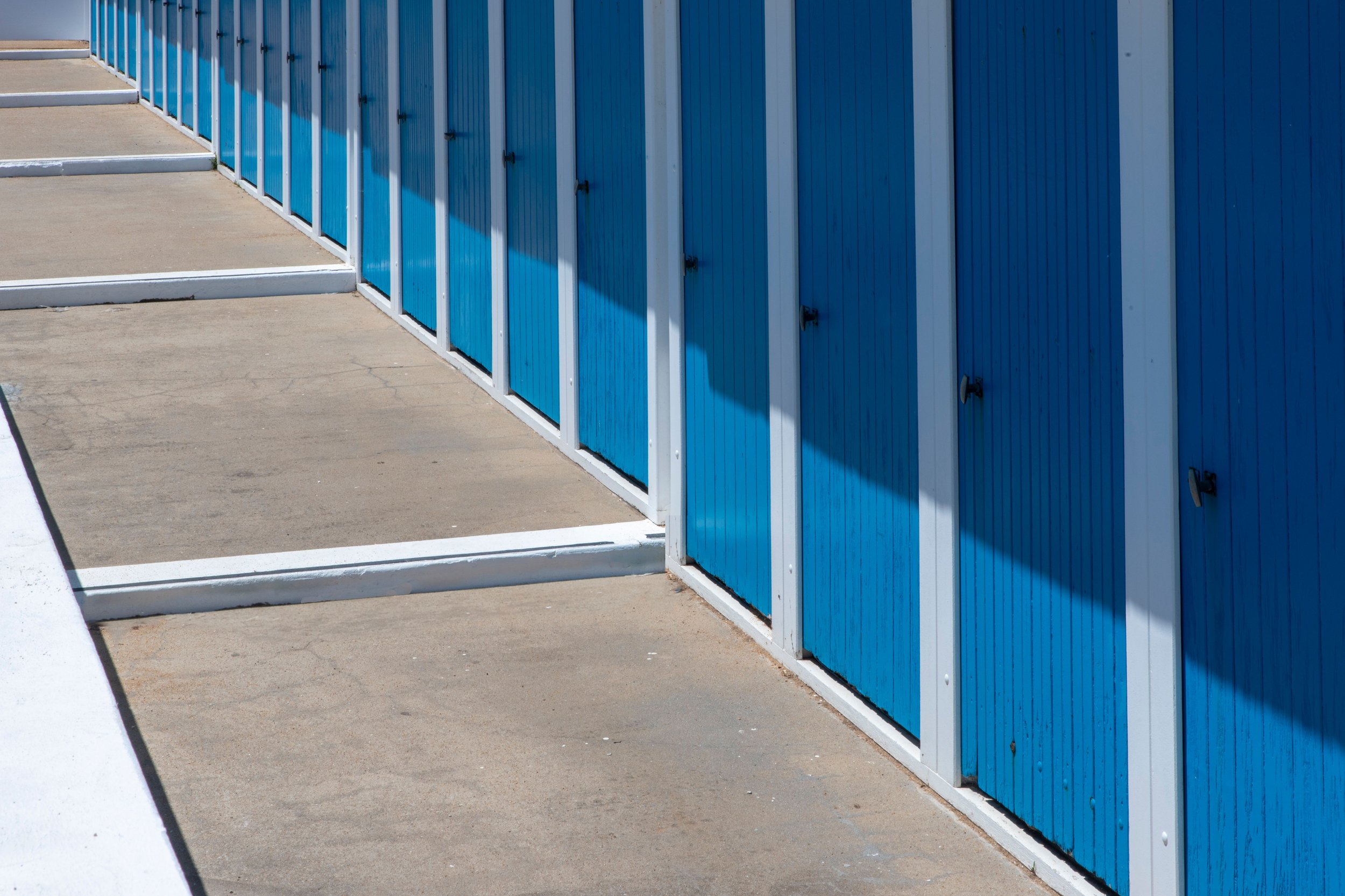
Tenants Don't Hide Their Faces from the Gate Camera. Burglars Do. Concealment at Entry Turns an Anonymous Intruder into an Immediate Monitored Event.
A legitimate tenant has no reason to conceal their face at the gate — they're on camera every visit and know it. A masked person at the entry point is an immediate indicator that what's about to happen isn't a storage run. The alert fires at the gate, before the person is inside and before any unit is reached.
- Concealment at entry flagged immediately — alert before the person clears the gate
- Distinguishes anonymous intruders from legitimate tenants at the first camera point
- Covers gate entry cameras, drive aisle approaches, and facility access points
How It Works
When a covered face is detected, the event streams to Clear Watch's 24/7 monitoring operators with the live video attached. Operators assess intent in context — riding gear at a motorcycle-heavy site reads differently than a ski mask at a bank vestibule — issue voice-downs over on-site speakers, alert on-site staff, and escalate to dispatch when warranted, including direct digital 911 delivery.
FAQs
-
Only if you want it to. The covering types that trigger an event are individually selectable, so a site can permit masks while still flagging hoods and helmets — or tighten the rule after hours.
-
No. The detection identifies that a face is concealed — it does not identify who the person is or match faces against any database. Concealment itself is the security signal.
-
That's what the CloseCam Covered Face option is for — a variant optimized for close-range, front-facing camera geometry where the face occupies most of the frame, used at ATMs, kiosks, entrance gates, and service counters.
Don't Wait for What Comes After the Covered Face — Flag It at the Entrance
GET STARTED
By the time a masked person reaches the counter, the head start is gone. Covered Face Detection puts the alert at the entrance — while the person is still approaching, while staff can still be warned, and while dispatch can still arrive before anything happens. The door is the moment. That's where detection needs to be.