

Occupancy Counting
Every entry, every exit, every door — combined into one live building headcount.
How many people are in the building right now? Not this morning's estimate — right now. Occupancy Counting maintains that number continuously by tallying every entry and exit at every door.
Occupancy Counting calculates the number of people inside a building by adding up entry and exit counts at its access points. Entry and exit points are configured per camera, and counts from multiple entrances are combined into a single occupancy figure — so a store with a main door and a mall-side entrance, or a venue with four gates, still reports one authoritative number.
The figure is maintained continuously, not sampled, which is what makes it usable for the decisions that depend on it: capacity management against a posted limit, safety thresholds that trigger action before a space is over-full, and evacuation checks where knowing how many people should be accounted for is the first question anyone asks.
What It Does

Who Uses It
The Number the Fire Marshal Asks About — Available at Any Moment, Across Every Gate at Once.
A live building count against licensed capacity is the number that matters most when it matters most. Continuous entry/exit math maintains it in real time across every gate — so the answer is always ready, not scrambled together after the fact.
- Live building headcount against licensed capacity at all times
- Counts combined across every gate and entrance automatically
- Always current — not an estimate pulled from a clicker at the door
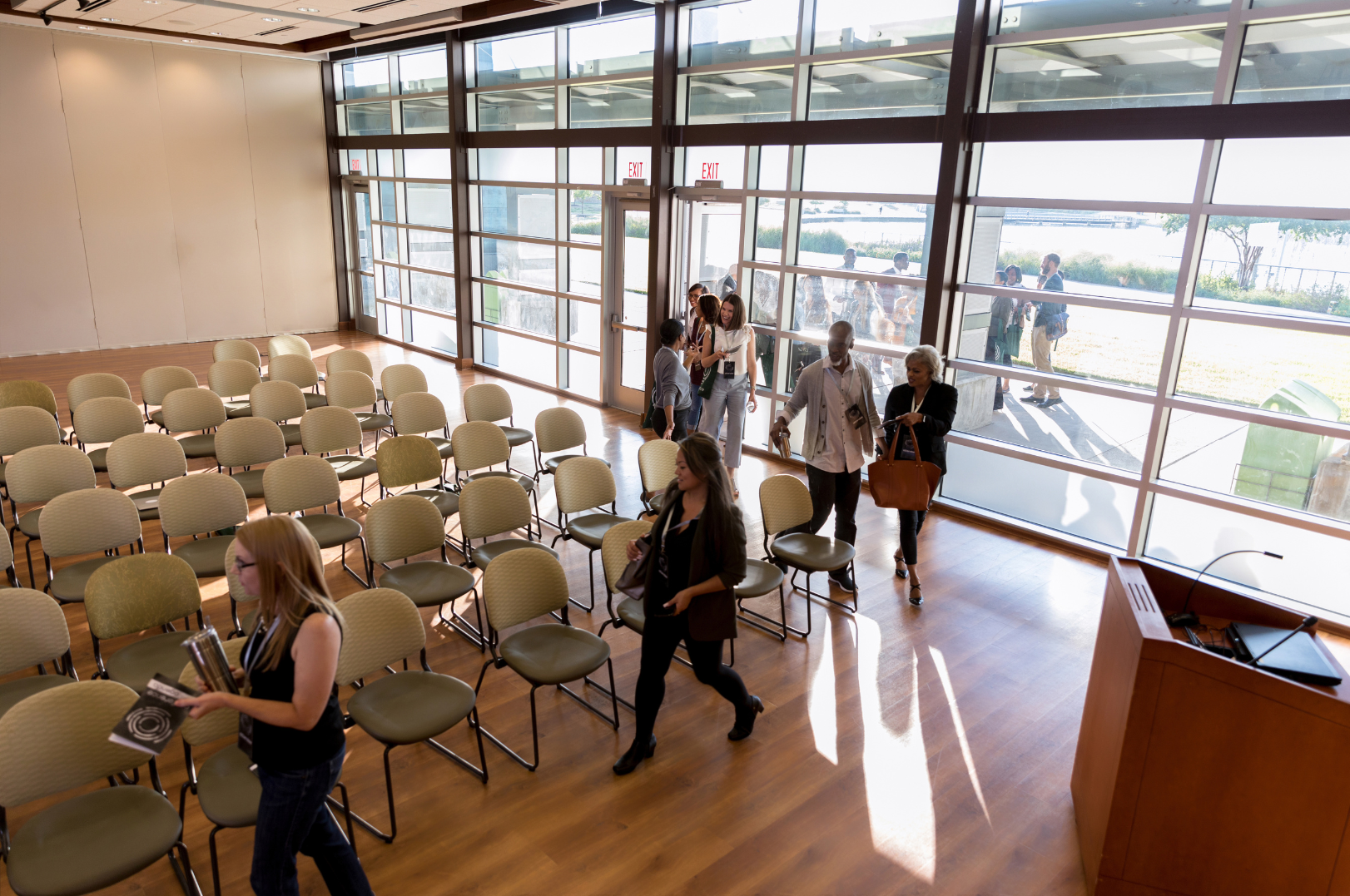
No Staff With Clickers. No Guesswork. Just the Live Number and What You Do With It.
Store-wide occupancy runs automatically against your capacity policy — and the daily occupancy curve tells you when the building is actually full, so labor scheduling reflects real traffic instead of last month's assumptions.
- Automatic capacity enforcement — no manual door counters needed
- Daily occupancy curves to schedule labor around actual peaks
- Works across main entrance, mall-side door, and any additional access point

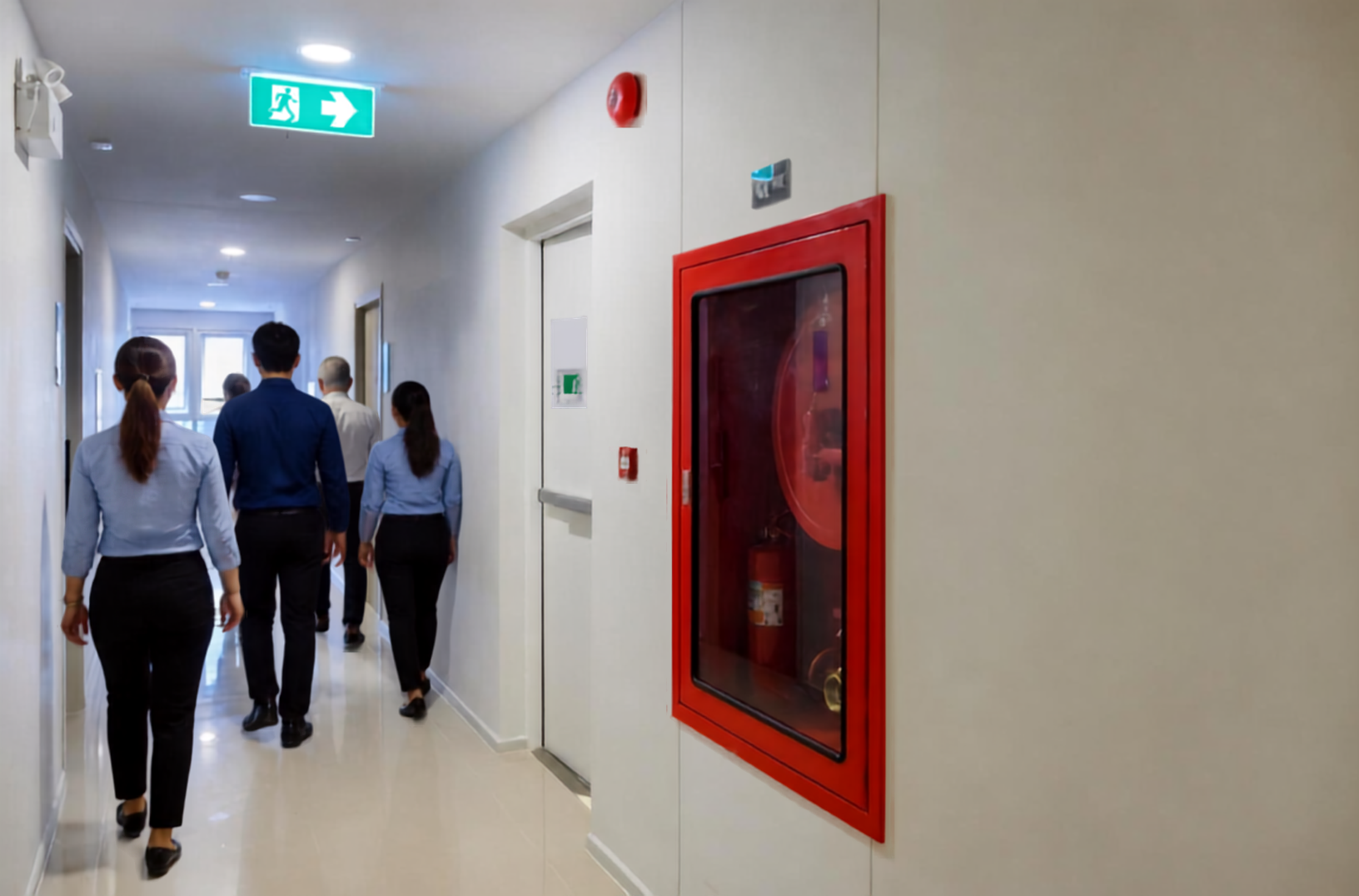
In an Evacuation, 'How Many Were Inside?' Is the First Question. Have the Answer Ready.
In a drill or a real evacuation, the muster-point question is how many people need to be accounted for. A continuously maintained occupancy figure gives incident commanders a starting number instead of a guess — before anyone has time to find one.
- Continuous headcount available the moment an incident begins
- Gives incident commanders an accurate starting figure for accountability
- Works for planned drills and real emergencies equally
Right-Size Staffing, HVAC, and Cleaning Around When the Building Is Actually Used.
Lobby and building population data through the day replaces assumptions with evidence — so security staffing, HVAC schedules, and cleaning contracts reflect real usage patterns rather than fixed schedules that don't match how people actually move through the building.
- Live lobby and building population tracked through the day
- Real usage data to right-size security, HVAC, and cleaning costs
- Covers multi-floor office buildings and multi-entrance bank branches

Every Doorway Counted. One Figure Operators Can Act On.
Entry/exit counts from every doorway in a station building or public hall roll into a single occupancy figure — so safe-occupancy thresholds are monitored against the real number, not an estimate pieced together from individual checkpoints.
- All doorway counts combined into one live building figure
- Safe-occupancy threshold monitoring for stations and public halls
- Single actionable number — not a patchwork of per-door tallies

How It Works
Occupancy Counting runs on the same Clear Watch cameras positioned at your entrances for security. During operating hours, the entry/exit tally maintains a live building headcount for capacity, safety, and staffing decisions. After close, those identical entrance cameras feed Clear Watch's 24/7 live monitoring against break-ins. One platform: business intelligence during the day, security after hours.

FAQs
-
Entry and exit points are configured per camera, and counts from all of them are combined into a single occupancy figure. Every door contributes to the same running total.
-
No — it's maintained continuously as people enter and leave. That's what makes it dependable for capacity limits and evacuation checks, where a stale number is worse than none.
-
People Counting measures traffic — how many people passed through, trended over time. Occupancy Counting nets entries against exits to answer a different question: how many are inside right now. Most sites that care about capacity run both.
The Headcount That’s Always Ready When You Need It
GET STARTED
Whether it's a capacity policy, a safety threshold, or an evacuation check — Occupancy Counting gives you the live number before someone asks for it. Tell us about your building and we'll show you how it maps.