
Crowd Detection
Continuous congestion measurement by zone — so you know an area is filling before it's a problem to solve.
In a dense crowd, headcount stops being the point — density is. Crowd Detection measures how congested a zone is and how often it gets that way, so operators act while there's still room to act.
Crowd Detection sets a zone within the camera image and continuously evaluates its congestion level and frequency. It is built for the places where density, not headcount, is the safety concern — transport hubs, public spaces, and venues — and where the critical fact an operator needs is that an area is filling before it becomes unsafe, not after.
Congestion thresholds are configured per zone, and measurement is reported continuously rather than only when an event fires. That means operators get both the live picture — this platform is at elevated congestion right now — and the pattern over time: this concourse hits high congestion every weekday at 5:40 p.m., which is a staffing and flow-design problem, not a one-off.
What It Does
Who Uses It
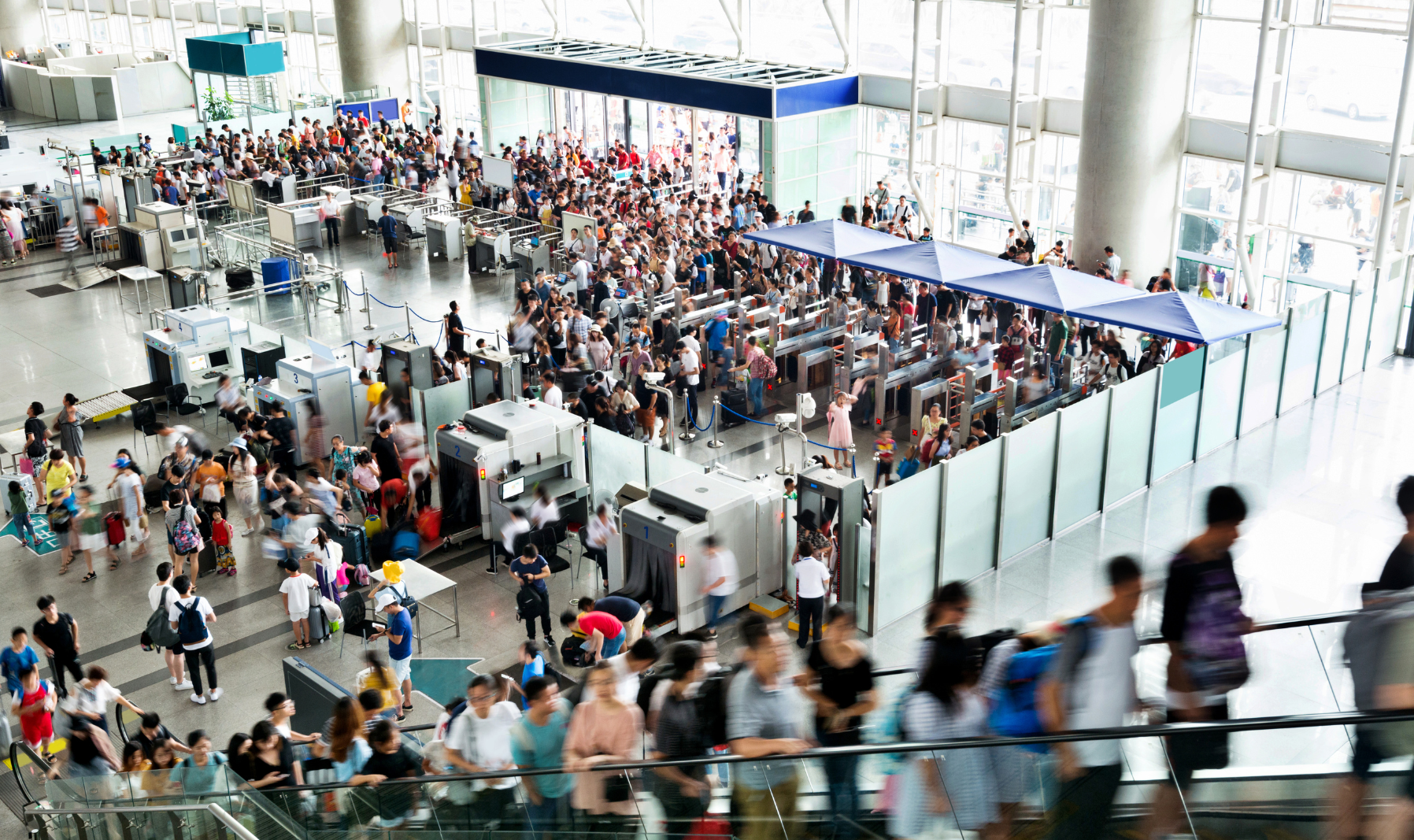
One Delayed Train Stacks Two Loads Onto a Platform That Was Fine a Minute Ago.
A platform can hold its rated crowd right up until a delayed train doubles the load in minutes. Continuous congestion measurement flags the buildup in time to hold entry gates or redirect passengers — before the platform becomes the problem.
- Continuous congestion monitoring on platforms and in waiting areas
- Alerts in time to hold gates or redirect passengers
- Catches rapid density spikes driven by service delays

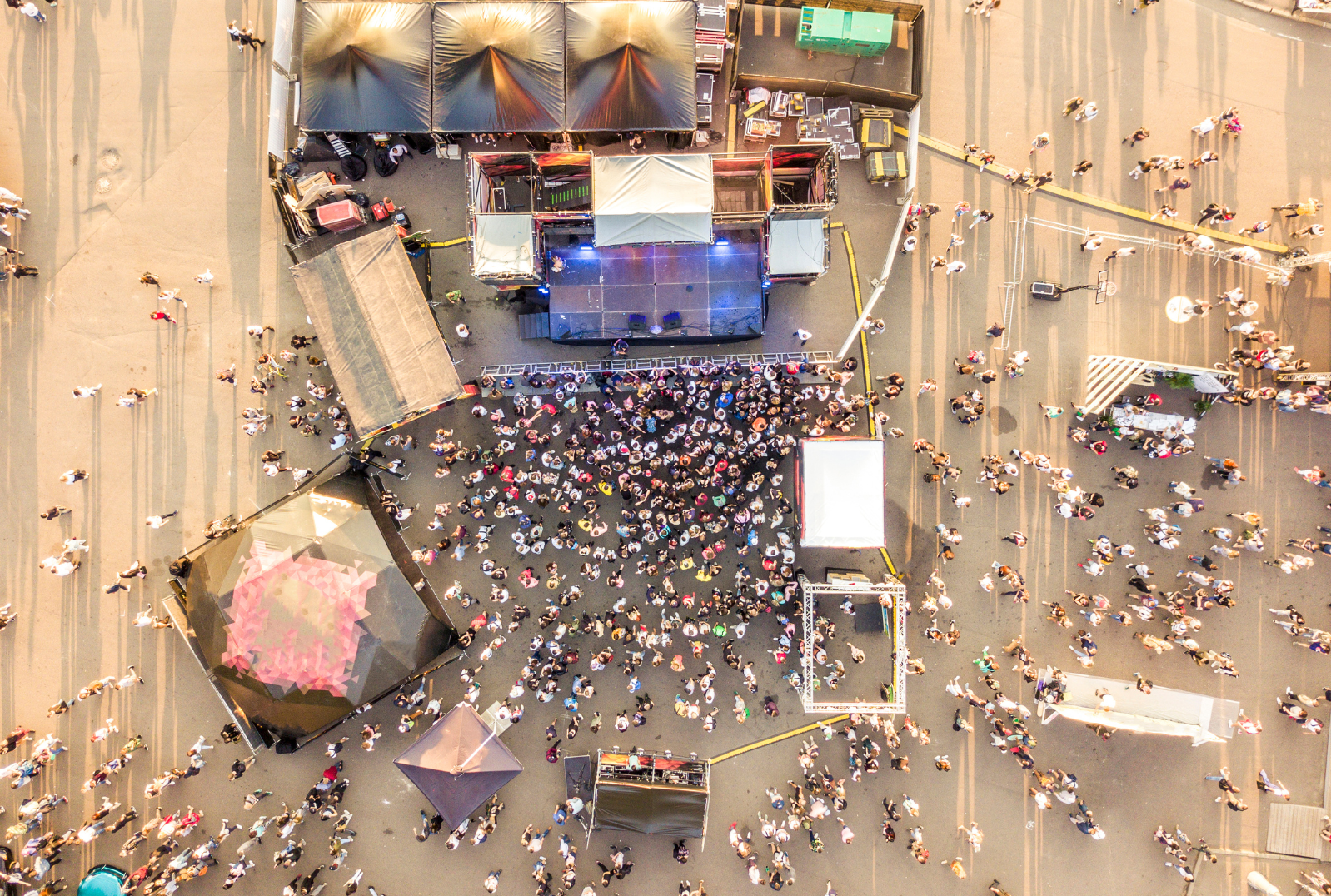
Crowd Incidents Don't Start on the Field. They Start at the Concourse Bottleneck.
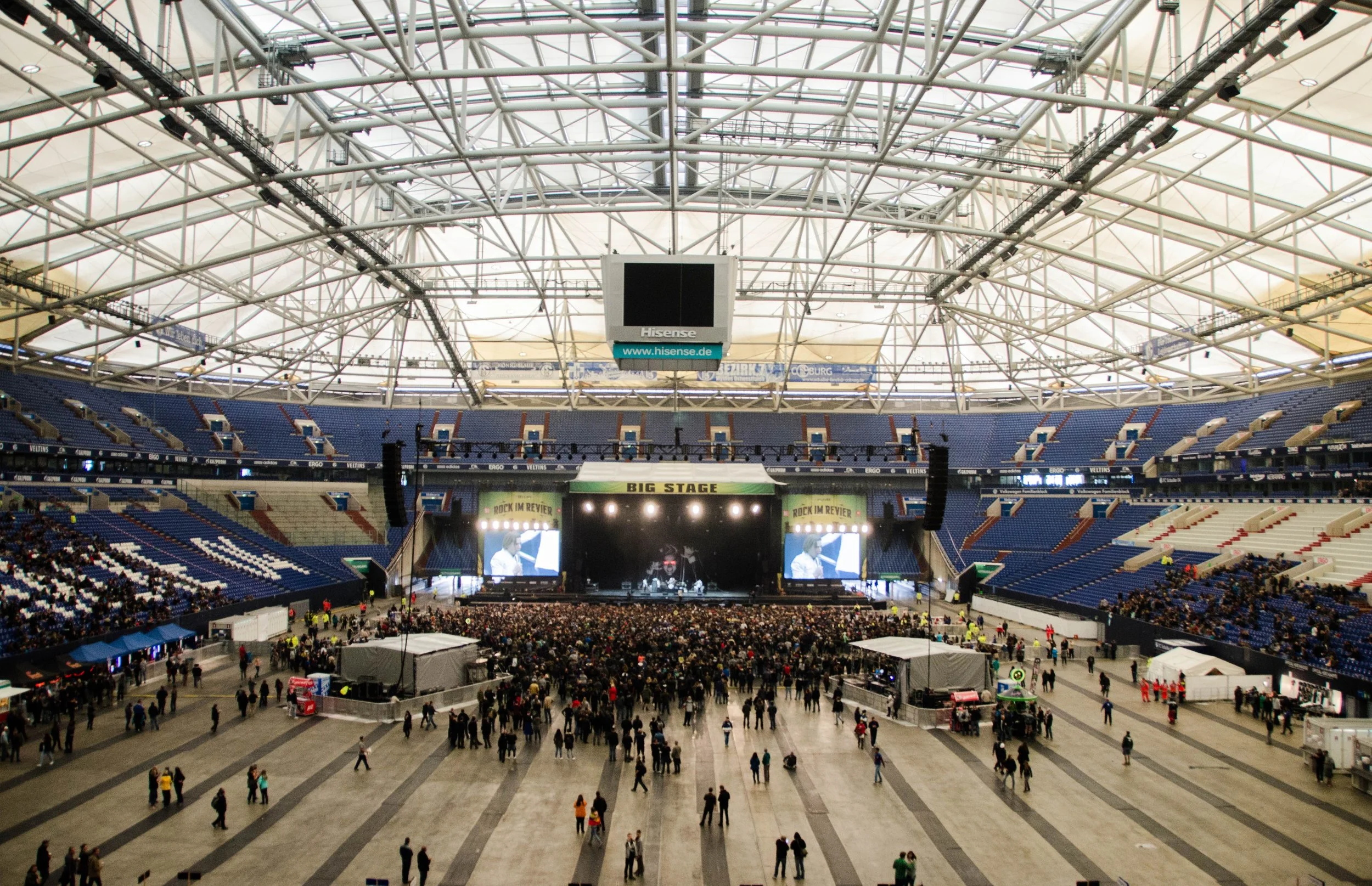
Ingress pinch points and concourse chokepoints are where density builds before anyone notices. Per-zone thresholds put operator eyes on a filling area minutes before it becomes a crush risk — so staff can be repositioned while there's still time to act.
- Per-zone congestion thresholds across concourses and ingress points
- Alerts before density reaches crush-risk levels
- Gives operators time to reposition staff while intervention is still possible
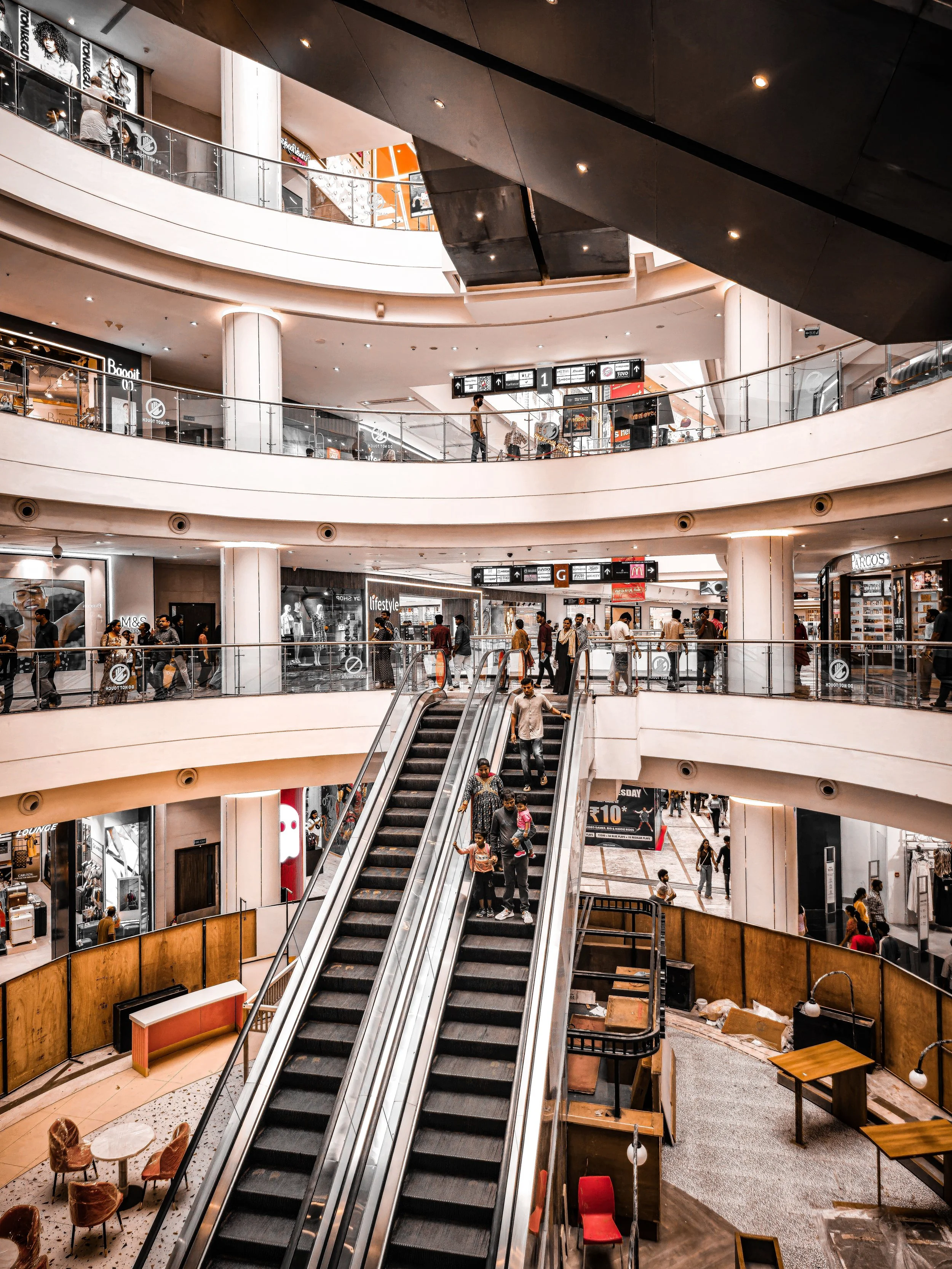
Product Launches and Holiday Events Create Dense Pockets. The Pattern Always Repeats.
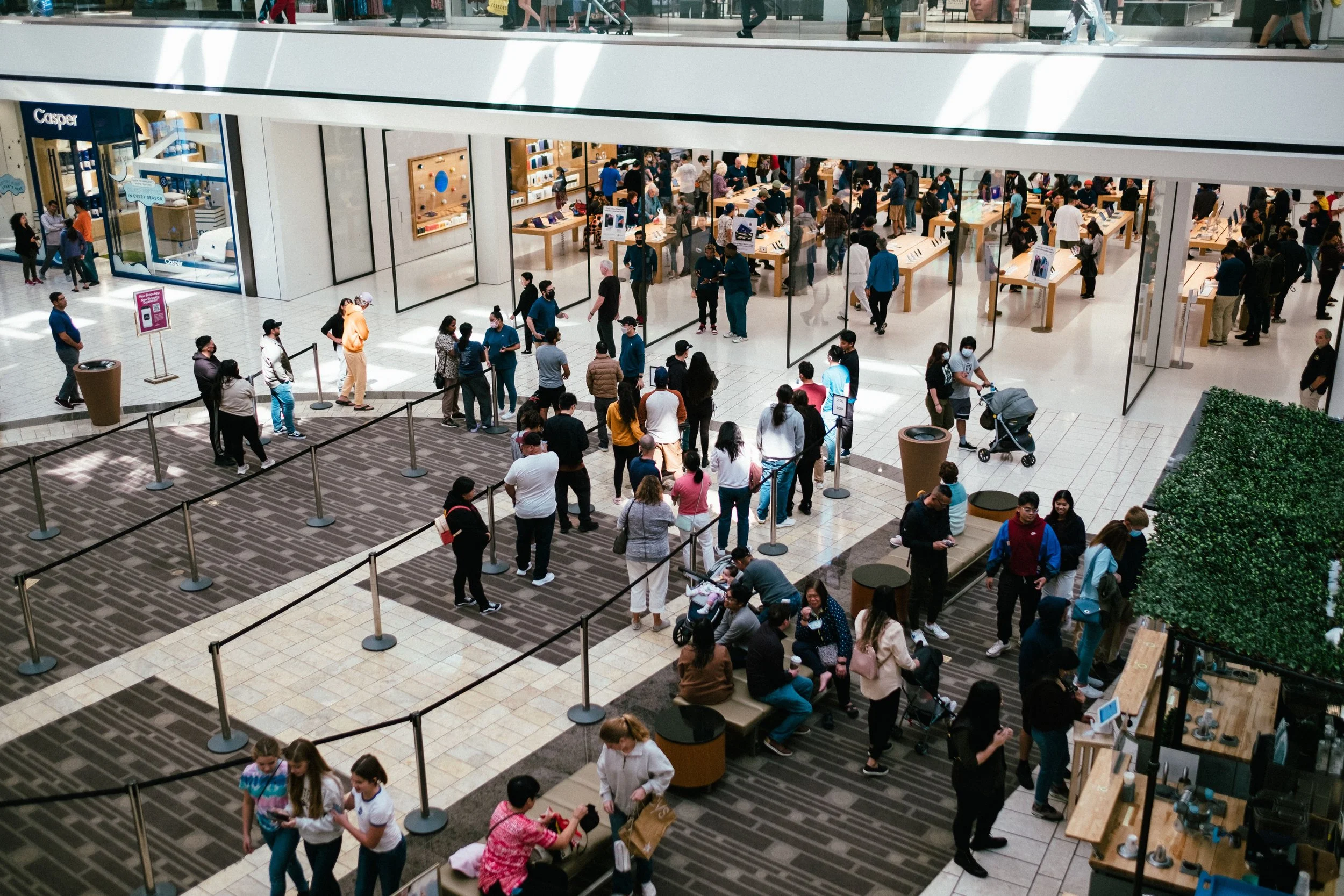
Product launches, holiday events, and food-court peaks create congestion in the same spots, every time. Frequency data shows exactly which areas recur — so security posting and layout fixes go where the pattern is, not where someone guessed.
- Live congestion detection during events and peak periods
- Frequency data identifies recurring hotspots by location
- Evidence base for security posting and permanent layout fixes
A Shared, Objective Read — Not Competing Impressions Over the Radio.
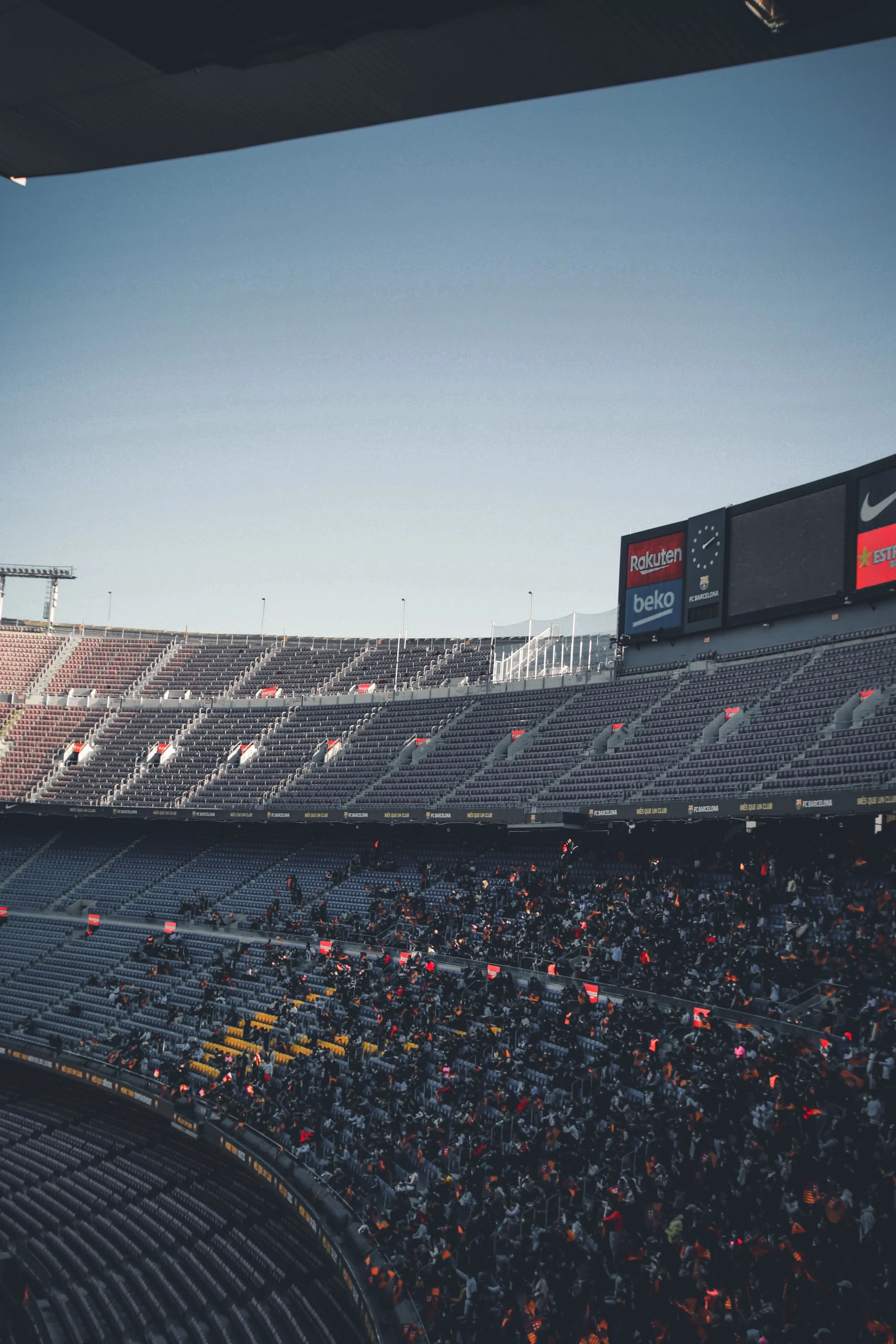
Plazas, markets, and event streets fill unevenly and fast. Live congestion levels give event command one shared number instead of a patchwork of radio impressions from staff at different corners — so decisions are based on the same picture everyone can see.
- Live congestion levels across plazas, markets, and event streets
- Single shared view for event command — no conflicting field reports
- Covers unevenly distributed crowds across large open spaces
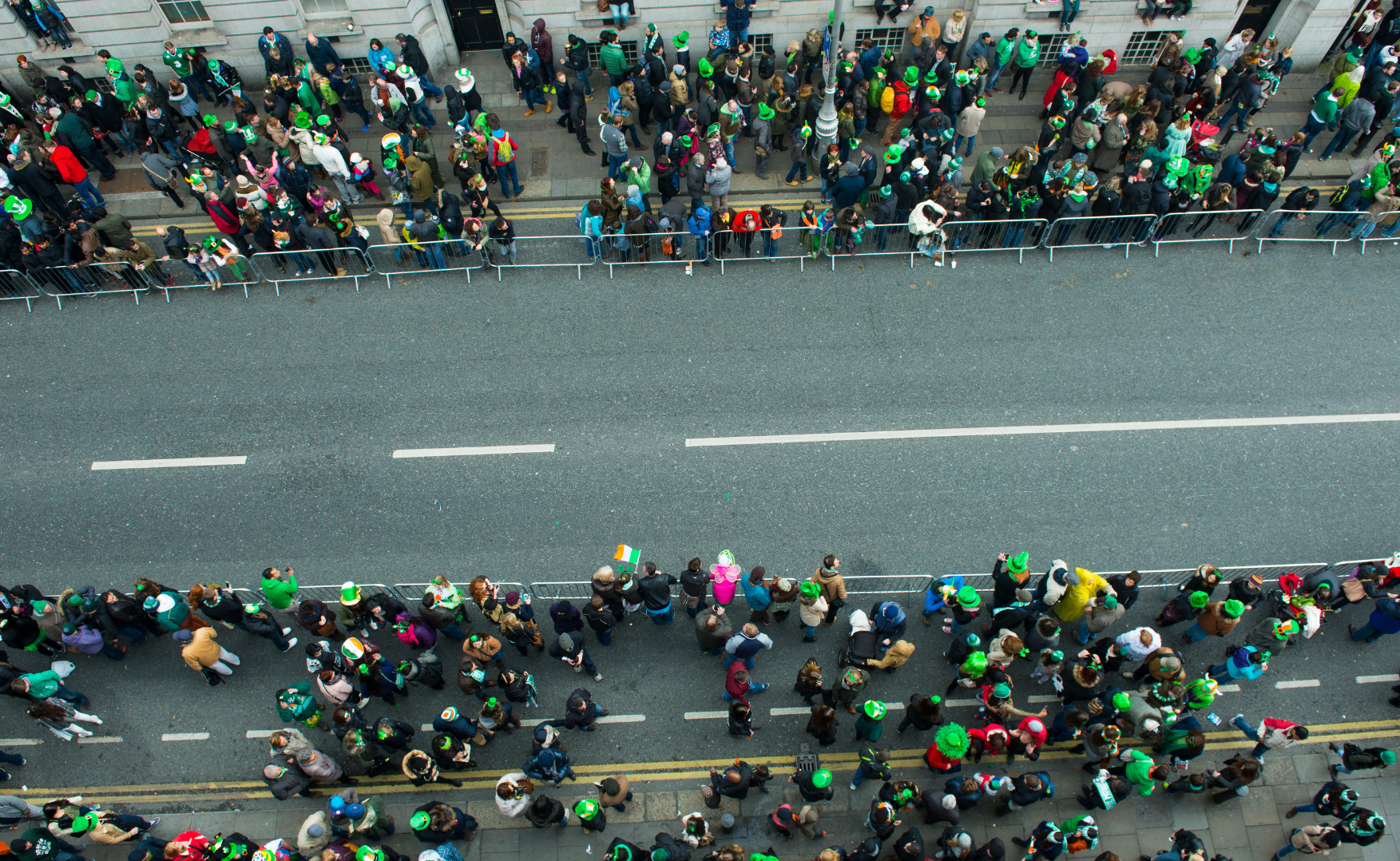
Recurring Congestion at the Deli Counter Is Lost Revenue and a Slip-and-Fall Waiting to Happen.
Congestion at the deli, the seasonal aisle, or the prepared-foods counter isn't random — it follows a pattern. Frequency data makes the case for layout or staffing changes with numbers, not anecdotes, so the fix goes in before the next incident.
- Congestion detection at counters, aisles, and seasonal sections
- Frequency data to identify recurring problem spots
- Supports the case for staffing changes and layout fixes with evidence
How It Works
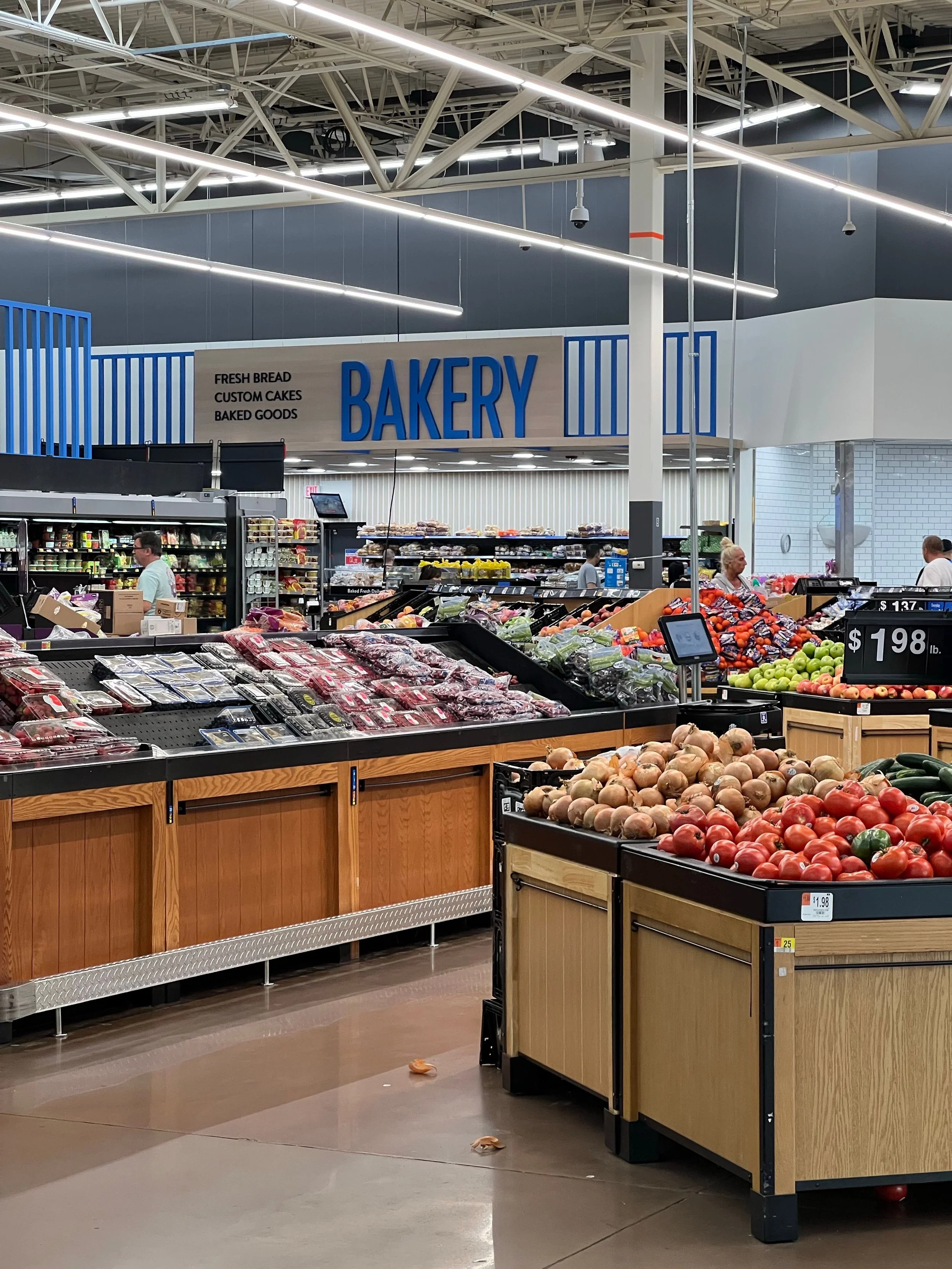
Crowd Detection is where business intelligence and safety meet on one platform. During operations, continuous congestion data drives staffing, flow design, and event planning. When a zone crosses its threshold, the event reaches Clear Watch's live monitoring operators, who assess the scene on live video and alert your on-site team — or make public-address announcements over connected speakers — so intervention starts while the crowd can still be thinned safely. After hours, the same cameras run Clear Watch's 24/7 security monitoring.
FAQs
-
Counting apps report how many people are present. Crowd Detection evaluates congestion — how dense a zone is and how frequently it becomes congested — which is the right measure in spaces where a hundred people spread out is fine and forty people compressed at a gate is not.
-
Both. Measurement is continuous, so you get live congestion levels plus the frequency picture over time — which zones become congested, how often, and when. Thresholds per zone add the alerting layer on top.
-
Yes. Congestion thresholds are configured per zone, so a platform edge, a concourse, and a retail promenade each carry limits appropriate to their own risk profile.
Crowd Detection gives operators the live congestion picture and the historical pattern — so the right staff are in the right place before a filling zone becomes an incident. Show us your space and we'll show you where the thresholds would go.
Set The Density Before The Crowd Does.
GET STARTED