

License Plate Masking
Automatic plate redaction for every vehicle except the one that triggered the event — so footage is shareable with insurers, police, and property managers without exposing uninvolved drivers.
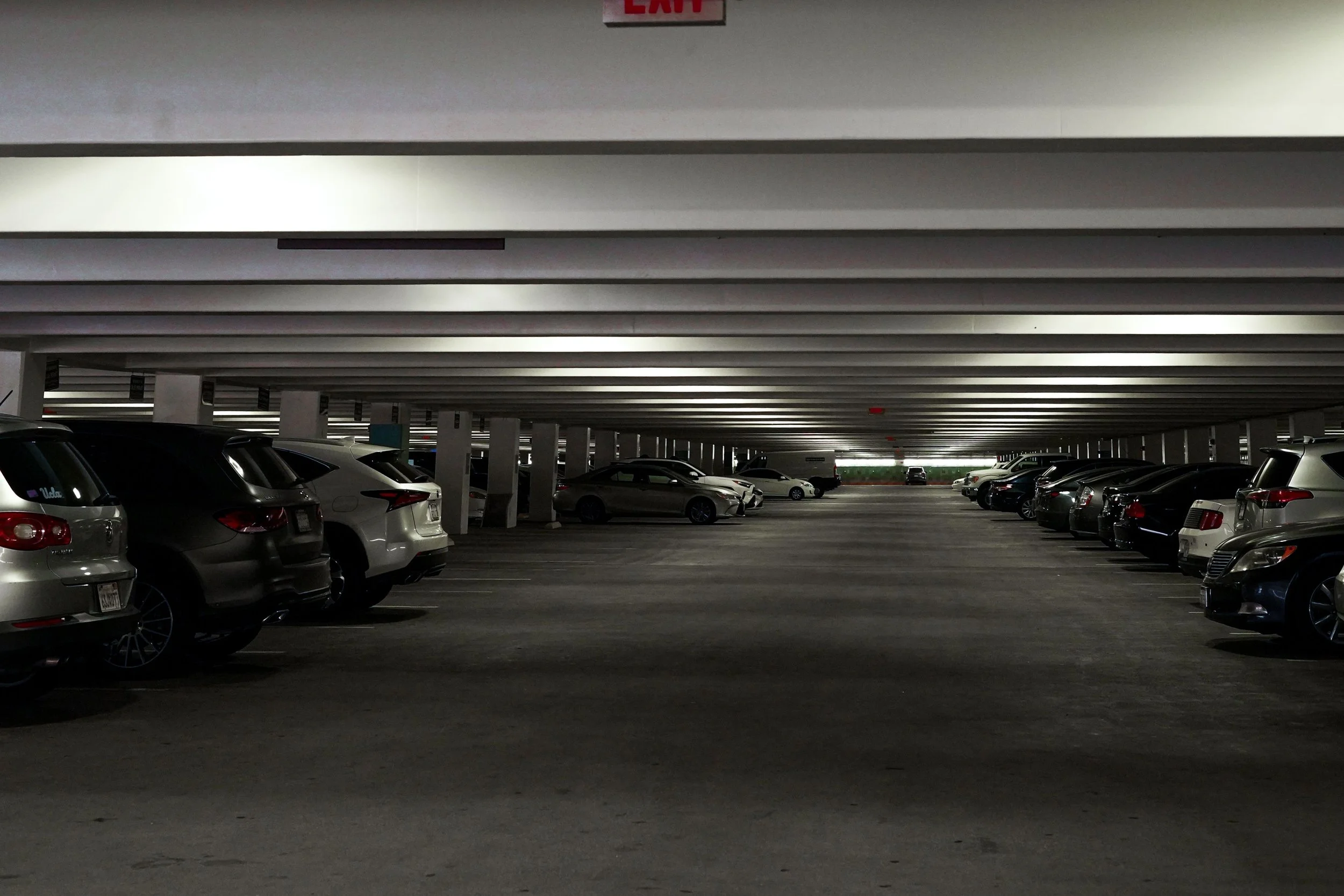
One vehicle triggered the event. The other forty plates in the lot belong to people who did nothing. License Plate Masking keeps the relevant plate readable — and masks the rest.
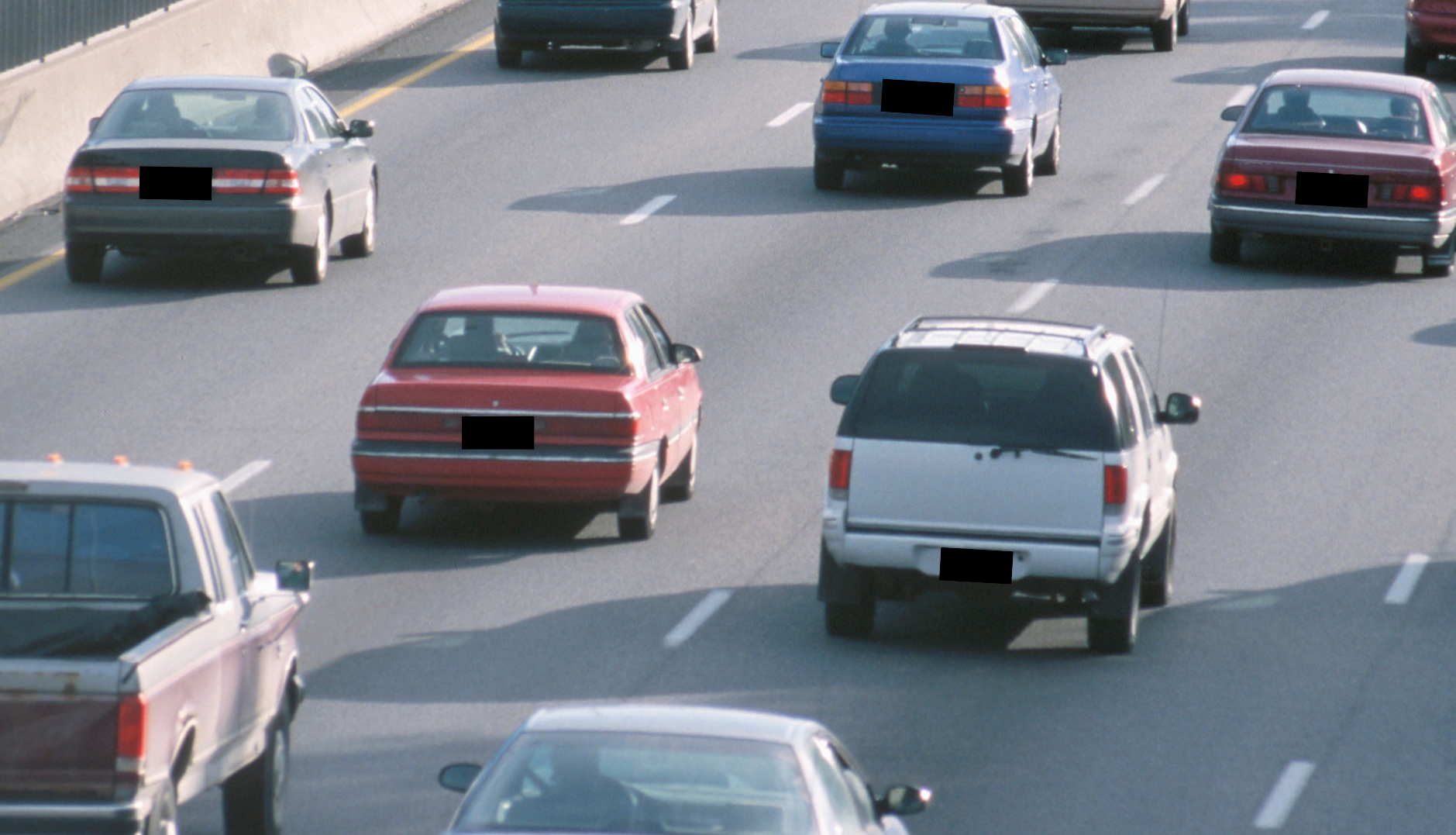
License Plate Masking analyzes the scene, locates every vehicle license plate in it, and masks all of them except the vehicle that triggered the event. The plate that matters — the car that struck a barrier, dumped a load, tailgated through a gate, or lingered where it shouldn't — stays fully readable for operators, investigators, and insurers, while the plates of uninvolved vehicles are obscured automatically.
Masking is applied dynamically as vehicles move through the frame, so plates stay covered through traffic flow, parking maneuvers, and drive-throughs — not just in a single frozen frame. Footage can be exported, reviewed, or shared without a manual redaction step, which turns what used to be a per-clip editing chore into a non-event: the evidence leaves the system already compliant, with the incident vehicle still identifiable.
What It Does

Who Uses It
Hand the Insurer a Readable Plate. Keep Every Other Customer's Private.
A hit-and-run in a garage is captured alongside every plate on the level. Plate masking means the striking vehicle is identifiable and every uninvolved customer's plate — and travel pattern — stays out of the file.
- The striking vehicle's plate stays fully readable for insurers and investigators
- Every other plate on the level is masked automatically
- Clips are shareable immediately — no redaction pass required

Resident Vehicle Data Shouldn't Circulate Beyond the Incident.
When an incident clip goes to police or gets discussed at a board meeting, only the vehicle involved is identifiable. Every other resident's plate — and their comings and goings — stays private.
- Only the incident vehicle is identifiable in exported footage
- Resident travel patterns stay out of police files and board meetings
- Clips are shareable without exposing uninvolved residents

Cut the Redaction Workload and the Disclosure Risk in One Step.
Footage released under public records requests can expose the movements of every driver who passed the camera. Automatic plate masking handles the redaction at capture — before the request ever arrives.
- Uninvolved plates are masked before footage ever leaves the system
- Records requests are fulfilled faster with no per-clip redaction project
- Reduces disclosure risk across city cameras and public facilities

When an Incident Clip Goes to a Third Party, Uninvolved Plates Are Already Gone.
Gate and dock cameras see contractor, employee, and visitor vehicles all day. When a clip goes to a carrier or claims adjuster, only the vehicle involved in the incident is identifiable.
- Covers gate cameras, dock areas, and yard entrances
- Contractor, employee, and visitor plates are masked automatically
- Third-party evidence sharing is clean and immediate
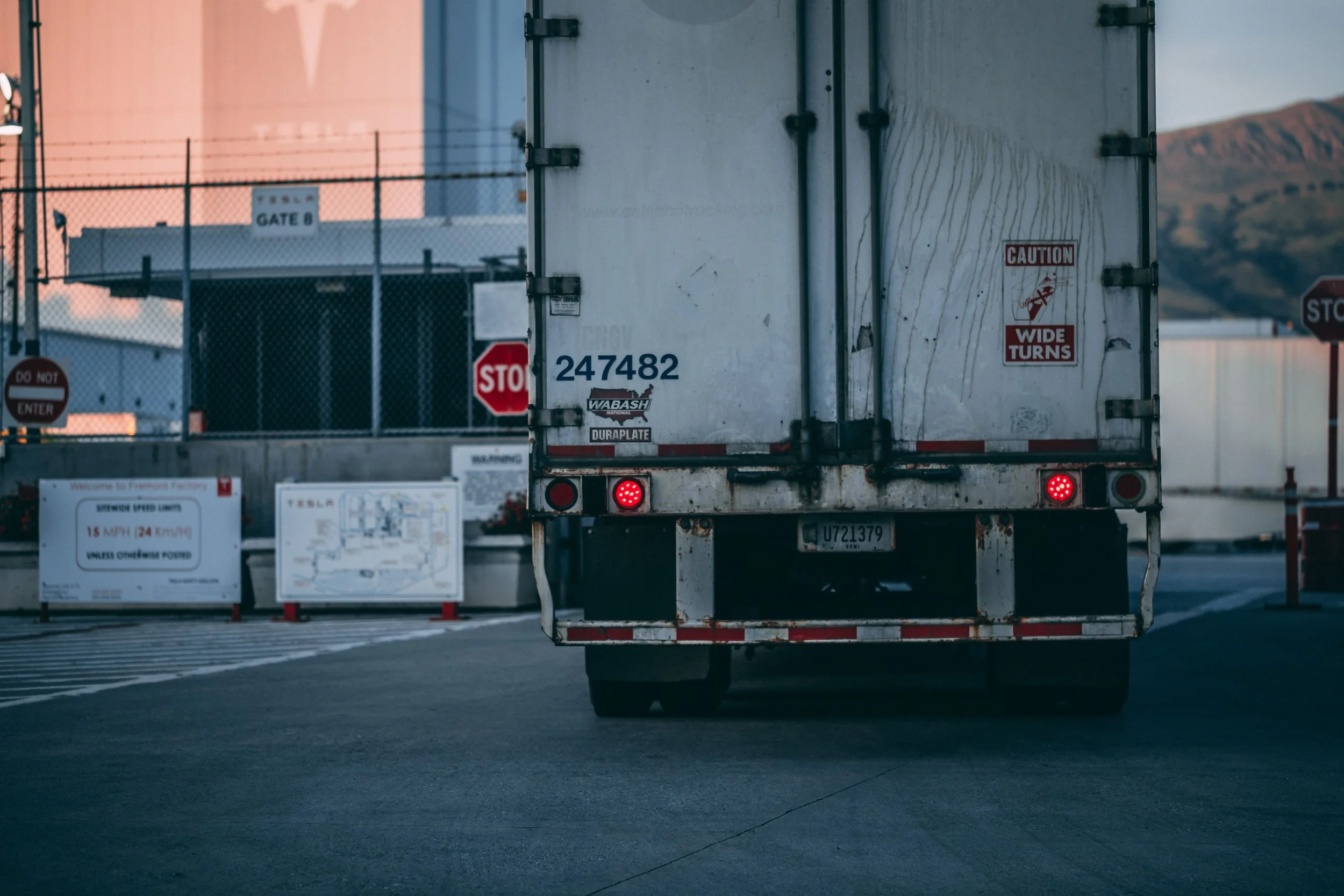
Theft Evidence Shares Cleanly. Every Other Plate Stays Out of It.
Lots full of inventory and customer vehicles generate footage dense with plates. Evidence of a theft or vandalism incident is shareable immediately — with only the suspect vehicle identifiable.
- Suspect vehicle plate stays readable — every other plate is masked
- Customer vehicle data stays out of police and insurance files
- No redaction step before sharing with law enforcement or insurers

License Plates Are Personal Data. Masking Them at Capture Demonstrates That You Know It.
Under GDPR-style regimes, license plates are personal data. Masking uninvolved plates at capture — rather than redacting afterward — demonstrates data minimization by design, not by cleanup.
- Supports GDPR-aligned data minimization without per-clip redaction workflows
- Uninvolved plate data is never captured in full — masked at the source
- Consistent compliance across every camera, every site, automatically

Detection
A vehicle triggers an event — an intrusion, a loitering rule, or an after-hours entry — and the alert streams to Clear Watch's 24/7 monitoring operators with the triggering vehicle's plate fully readable.
Assess Scene
The operator assesses the live scene.
Dispatch
When warranted, the operator escalates to dispatch, including direct digital 911 delivery — able to pass on a readable plate while every uninvolved vehicle in the frame stays anonymous.
Voice-Down
A live audio voice-down is issued over on-site speakers where appropriate.
How It Works
Detection
A vehicle triggers an event — an intrusion, a loitering rule, or an after-hours entry — and the alert streams to Clear Watch's 24/7 monitoring operators with the triggering vehicle's plate fully readable.

Assess Scene
The operator assesses the live scene.

Voice-Down
A live audio voice-down is issued over on-site speakers where appropriate.

Dispatch
When warranted, the operator escalates to dispatch, including direct digital 911 delivery — able to pass on a readable plate while every uninvolved vehicle in the frame stays anonymous.

FAQs
-
Yes. The vehicle that triggered the event is the exception — its plate remains readable in live view and in exported footage. Masking applies only to the uninvolved vehicles in the scene.
-
Yes. Masking is applied dynamically as vehicles move through the frame, so plates remain obscured through entrances, lanes, and parking maneuvers rather than only in a static shot.
-
No. Plate masking obscures plates for privacy; it doesn't read them or match them against a list. Clear Watch offers license plate recognition separately for access control and watchlist use — the two serve opposite ends of the same problem: knowing the plates you need, protecting the ones you don't.
Keep The Plate That Matters — Mask The Rest
GET STARTED
Talk to a Clear Watch specialist about adding License Plate Masking to your existing cameras — and making incident footage shareable the moment it's captured.