
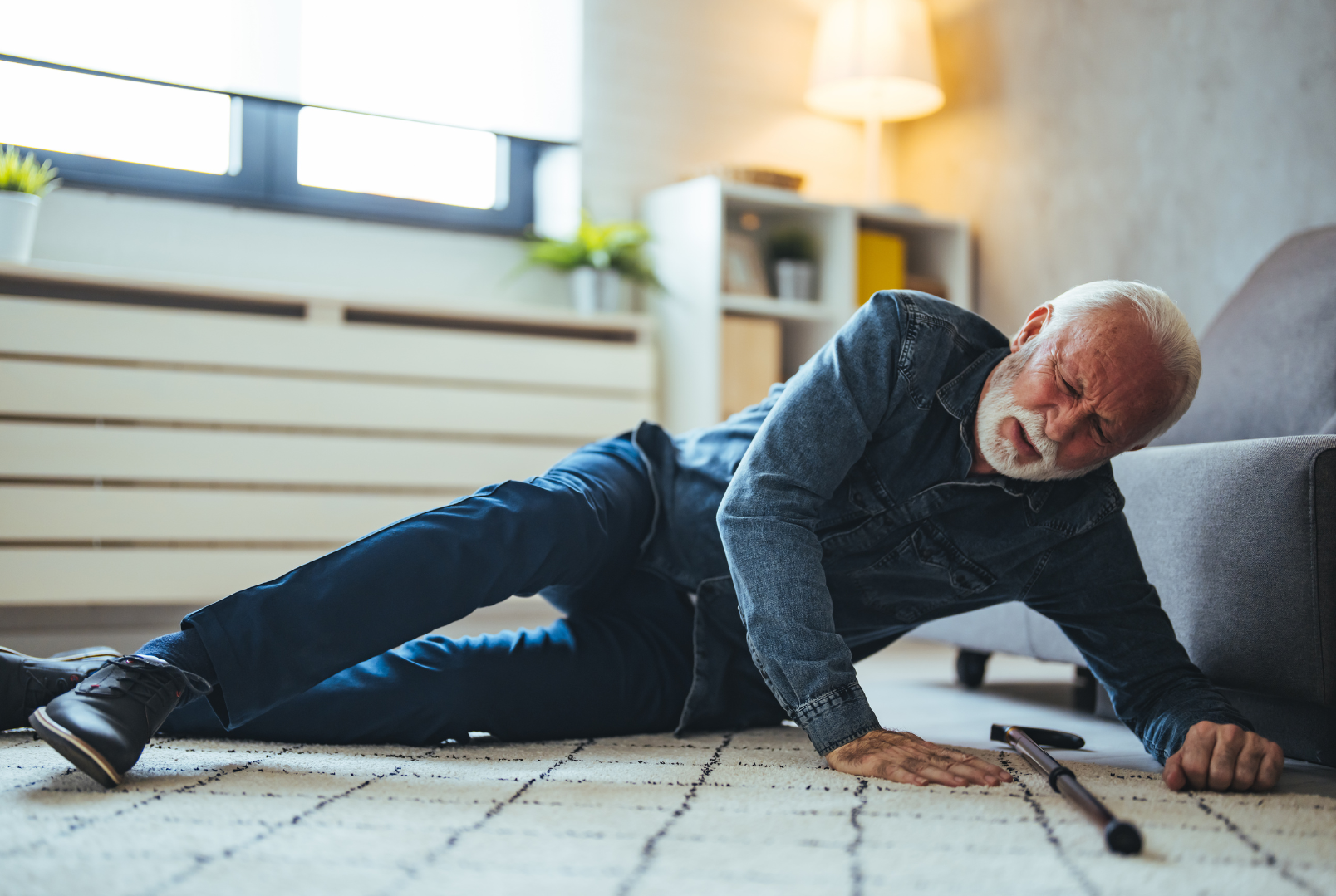
Fallen Person Detection
When someone falls, the outcome is decided by how long they lie there undiscovered. Clear Watch Fallen Person Detection recognizes the fall in real time — and gets help moving in seconds.
What It Does
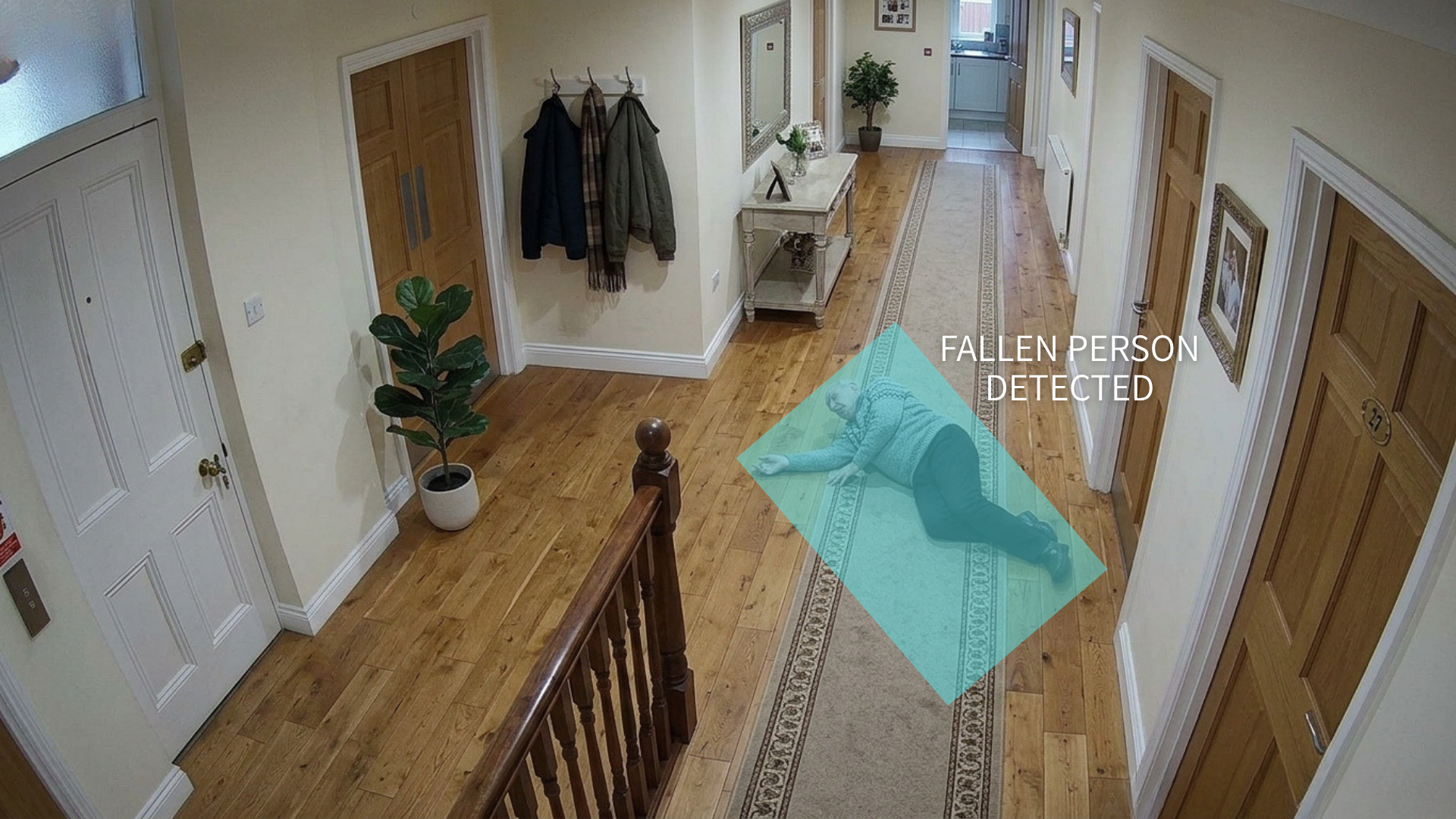
Fallen Person Detection analyzes body posture on camera to recognize a fall the moment it happens and propagate the emergency immediately, instead of waiting for a passerby, a scheduled round, or a pull-cord the person can't reach. It's built for senior living facilities, hospitals, plants, and unmanned areas — anywhere the time between a fall and its discovery is the main determinant of the outcome.
The system is tuned so alerts stay meaningful. You configure how long a person must remain down before an event is raised, so ordinary actions like sitting or lying down deliberately don't trigger unnecessary alarms. That means a resident resting in a lounge is ignored, while a resident down on a hallway floor at 3 a.m. is flagged in seconds — and every alert is worth acting on.
An enhanced version of Fallen Person Detection is available through Clear Watch's Hybrid AI Boost subscription, adding contextual scene understanding that more sharply distinguishes a genuine fall — a person going down and remaining down — from sitting, crouching, or lying down deliberately, for higher accuracy in spaces where people rest as well as move.
Who Uses It
Most Falls Happen Where Staff Aren't Watching.
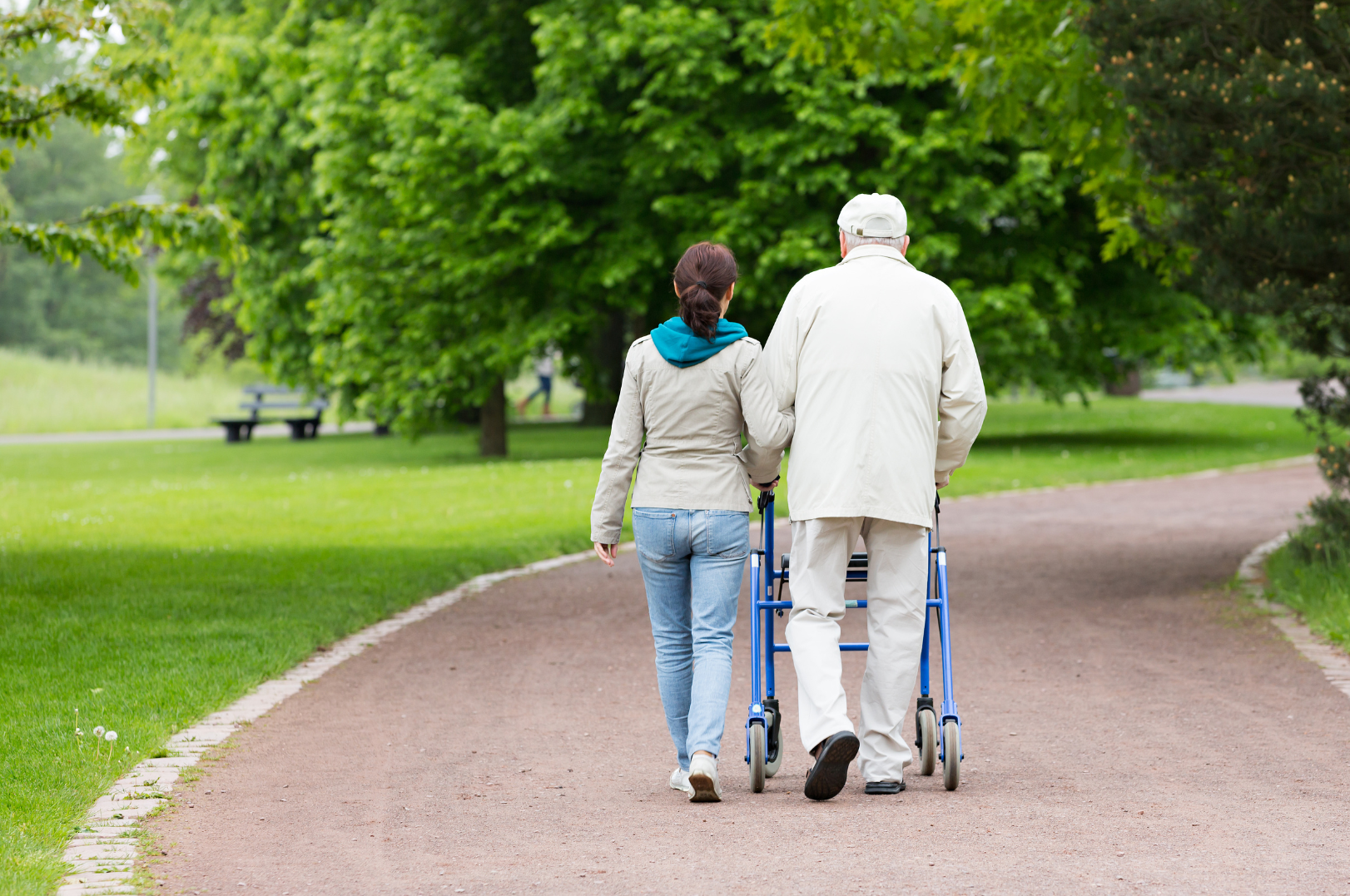
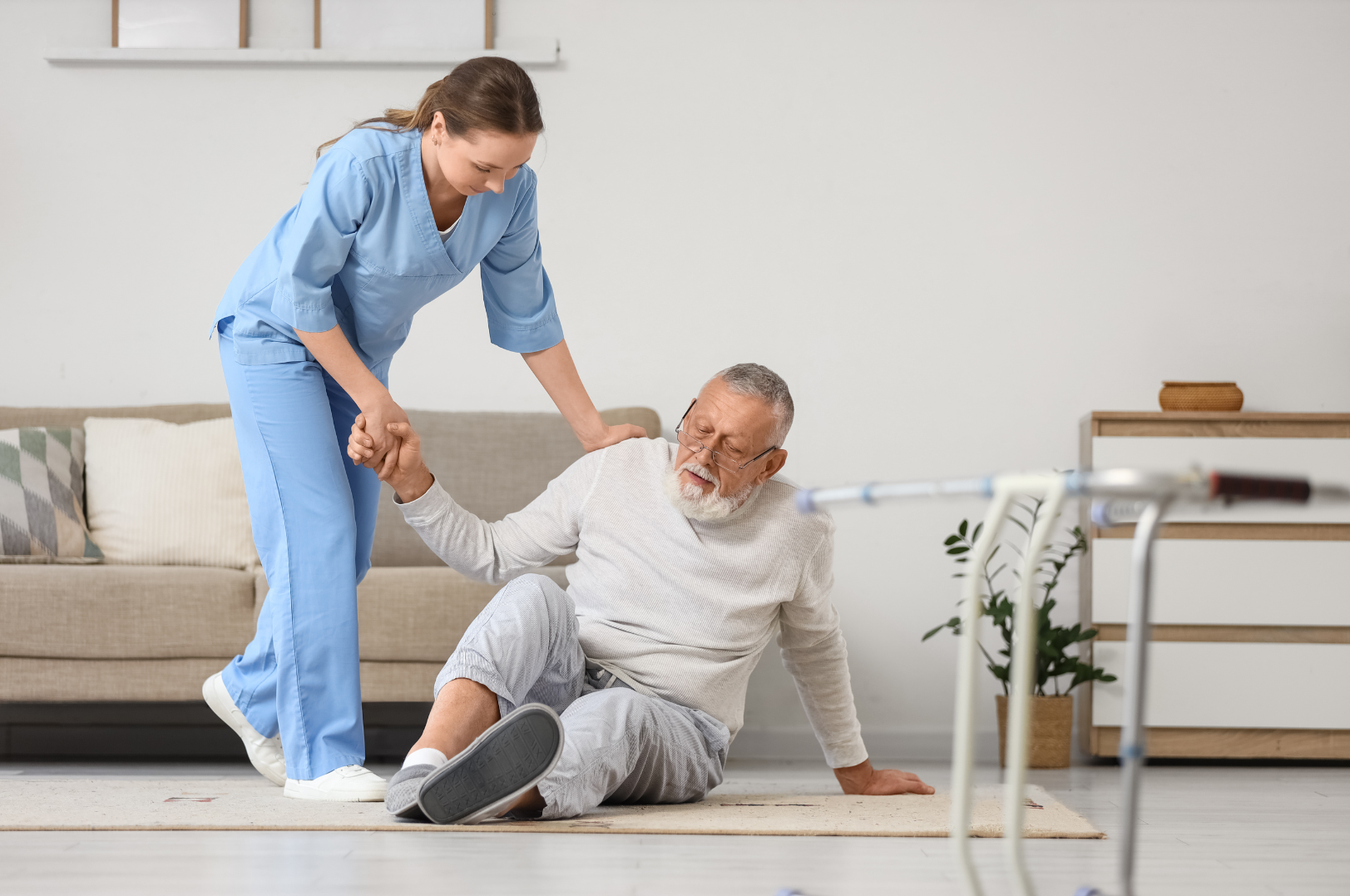
Falls are the leading emergency in senior communities, and most happen out of staff sightlines — hallways, dining rooms, courtyards.
- Detection in common areas closes the gap between the fall and the response
- No added headcount to overnight shifts
- Covers the spaces pull cords and pendants don't reach
Nurse Call Buttons Don't Cover the Corridor.
Patients fall in corridors, stairwells, parking structures, and waiting areas — places nurse call buttons don't cover.
- Real-time fall alerts extend clinical vigilance beyond the bedside
- Covers parking structures, stairwells, and exterior walkways
- Works even when the patient is unconscious or can't call for help
A Lone Worker Down May Not Be Found Until Shift Change.
A lone worker who collapses in a remote corner of a facility may not be missed until shift change.
- Functions as an always-on man-down system using cameras already in place
- No wearable device required — no device to forget, lose, or run out of battery
- Covers remote areas no patrol checks regularly
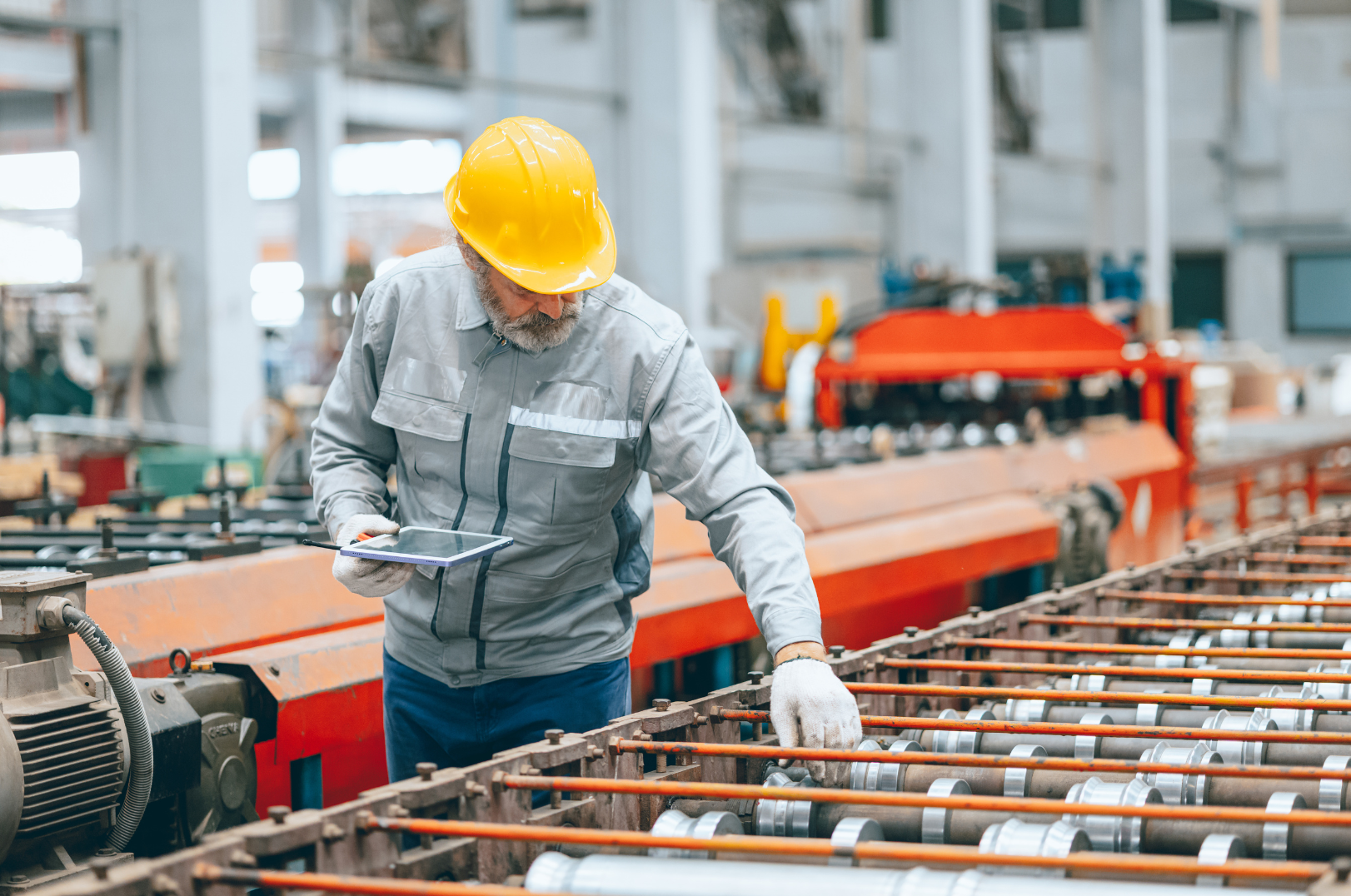
Guests Fall in the Spaces You Can't Staff Around the Clock.
Guests fall in stairwells, pool decks, parking garages, and back-of-house corridors at all hours.
- Immediate detection protects guests and limits liability
- Demonstrates active duty of care where incidents are most likely
- Covers the overnight hours when staff presence is lowest

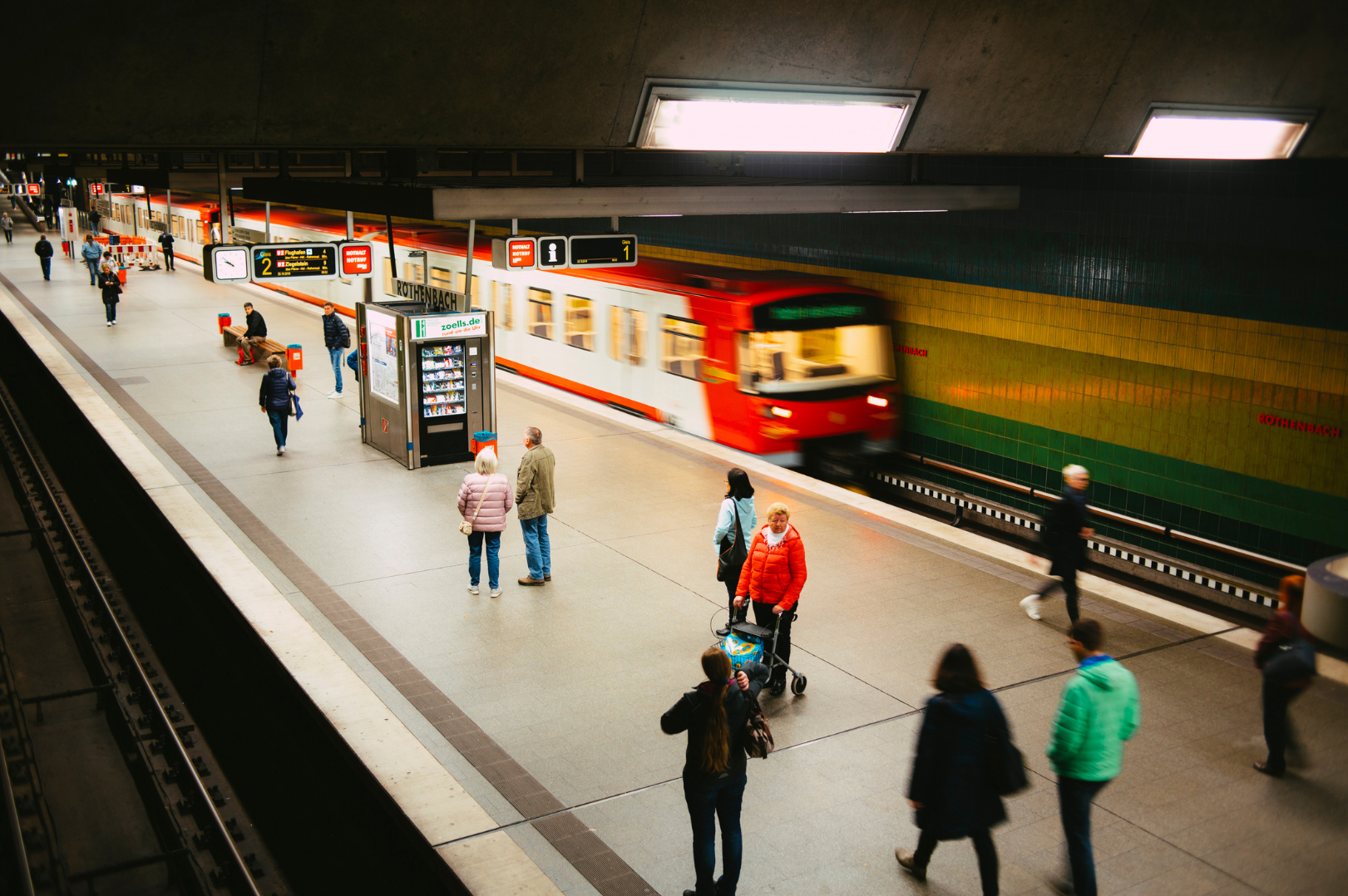
A Person Down on a Platform Is a Medical Emergency Until Proven Otherwise.
A person down on a platform, in a park, or in a public garage is a medical emergency until proven otherwise.
- Fall alerts give operators the lead time to send help before a crowd — or a train — arrives
- Covers parks, garages, and transit platforms continuously
- Direct digital 911 delivery to more than 700 PSAPs
Seconds Matter Whether It's Medical or Assault Aftermath.
A person down in a cell block, yard, or intake area may be a medical event or an assault aftermath. Either way, seconds matter.
- Removes dependence on the next scheduled check
- Covers housing units, yards, and intake areas continuously
- Verified by a live operator before escalation

How It Works
Fall Detected
A fall is detected on camera in real time.

Live Verification
The event streams live to Clear Watch's 24/7 monitoring operators, who verify the situation on video within seconds — is the person down, are they moving, is anyone helping?

Your Team is Notified
Verified emergencies are escalated immediately: on-site staff notified, audio announcements issued where speakers are available.

Emergency Dispatch
Emergency services dispatched, including direct digital 911 delivery to more than 700 PSAPs. No waiting for someone to walk by.

FAQs
-
No. You configure how long a person must remain down before an event is raised, so deliberate actions like sitting, crouching, or resting don't trigger alerts. The Hybrid AI Boost version goes further, using contextual analysis to distinguish a genuine fall from ordinary postures.
-
It complements them. Wearables only work when they're worn and reachable, and pull cords only work when the person can get to one. Camera-based fall detection covers hallways, common areas, and outdoor spaces automatically — no device required, and it works even when the person is unconscious.
-
The event streams instantly to Clear Watch's live monitoring operators, who verify it on live video and escalate immediately — alerting your staff and dispatching emergency services when warranted, including direct digital 911 delivery. Detection to dispatch is measured in seconds, not minutes.
Fall Detected
A fall is detected on camera in real time.
Live Verification
The event streams live to Clear Watch's 24/7 monitoring operators, who verify the situation on video within seconds — is the person down, are they moving, is anyone helping?
Emergency Dispatch
Emergency services dispatched, including direct digital 911 delivery to more than 700 PSAPs. No waiting for someone to walk by.
Your Team is Notified
Verified emergencies are escalated immediately: on-site staff notified, audio announcements issued where speakers are available.
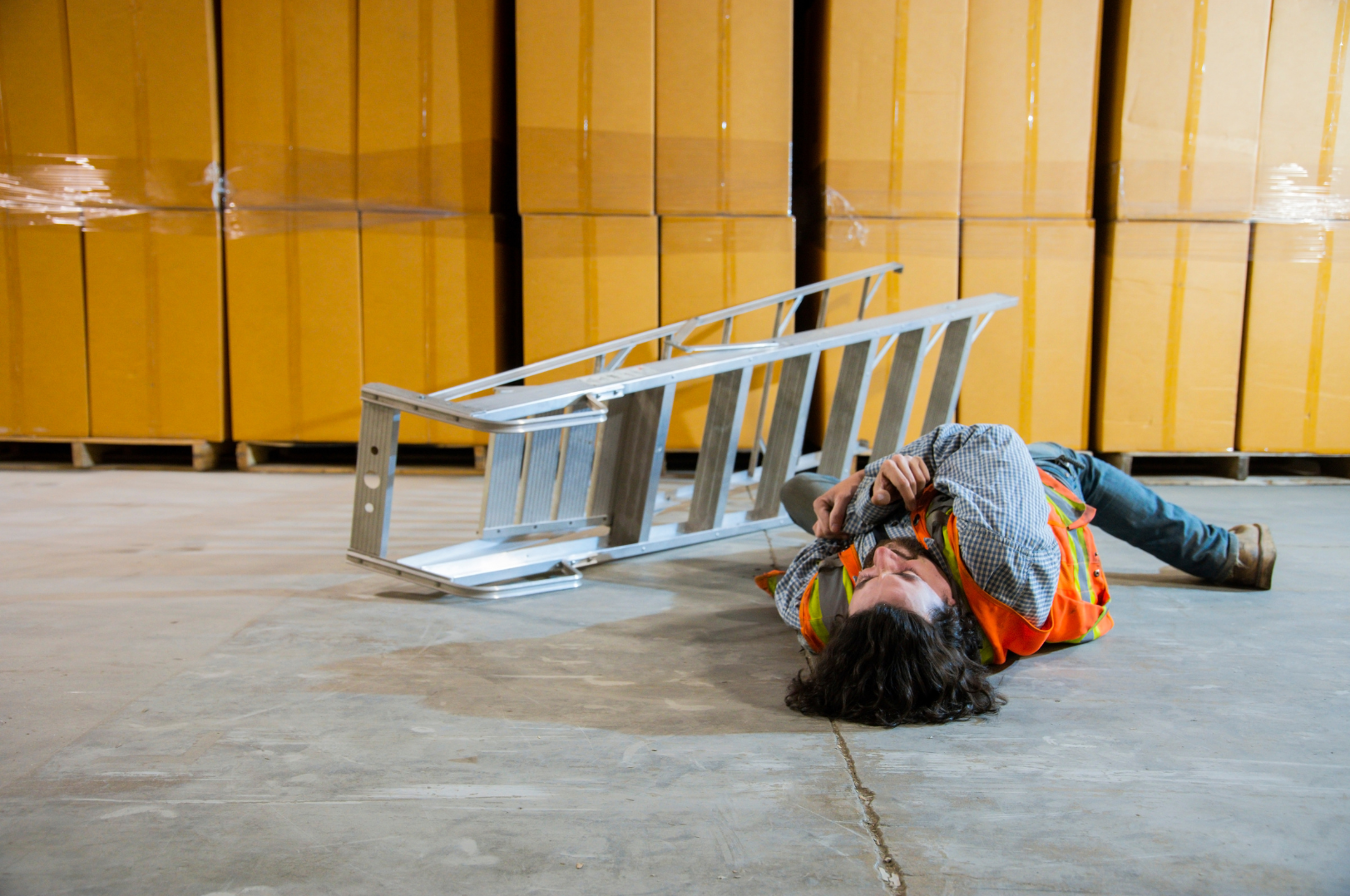
Detection To Dispatch In Seconds — Not Hours
GET STARTED
Every second a fall goes undetected changes the outcome. Clear Watch Fallen Person Detection runs on the cameras you already have — recognizing falls in real time, putting a live operator on every alert, and getting help moving before anyone walks by.