
Animal Detection
AI that flags animals the moment they enter the frame — so your team can respond before the damage, the collision, or the liability.
Animals don't announce themselves. They appear — in the roadway, the orchard, the substation — and the damage follows. Clear Watch Animal Detection flags them the moment they enter the frame.
What It Does
Animal Detection recognizes animals suddenly appearing in a monitored area and raises an alert immediately, turning an invisible overnight problem into an event you can act on. It's used on farmland and in orchards where animals mean crop loss, around solar plants and utility sites where they mean equipment damage and outages, and along roads and railways where they mean collisions — as well as on campuses and properties where wildlife creates safety and liability concerns for the people on site.
Outdoor scenes are the hardest environment for video analytics, so reliability is built in: monitored zones are configured per camera, and a filtering process prevents vegetation movement and shadows from triggering events. Alerts fire on animals, not on wind in the trees — which is what makes the system usable night after night in the field.
An enhanced version is available through Clear Watch's Hybrid AI Boost subscription, adding contextual scene understanding and finer detail recognition — with expanded filtering of vegetation movement, shadows, and wind-blown debris — for reliable alerts in outdoor scenes at night.
Who Uses It
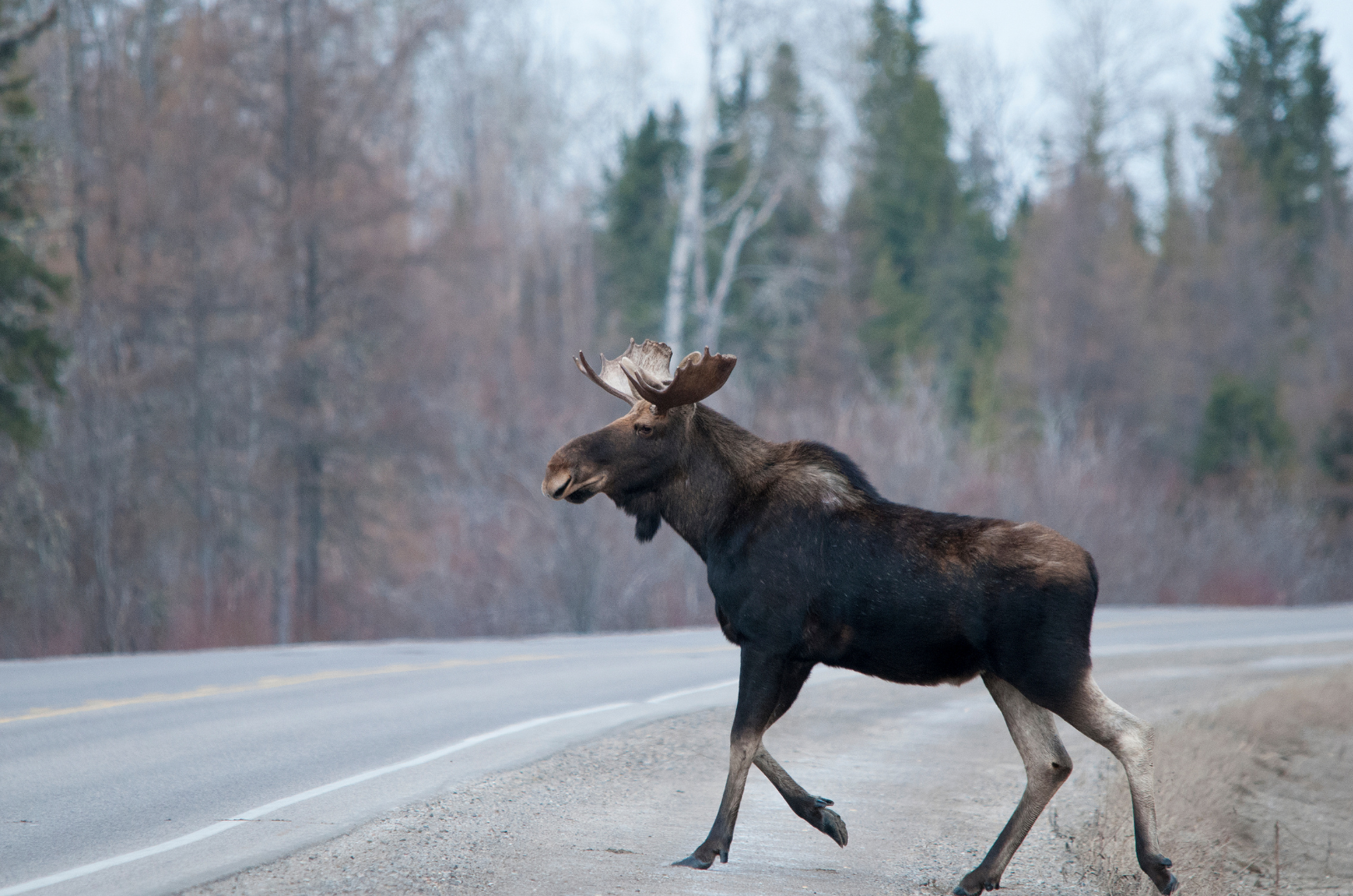
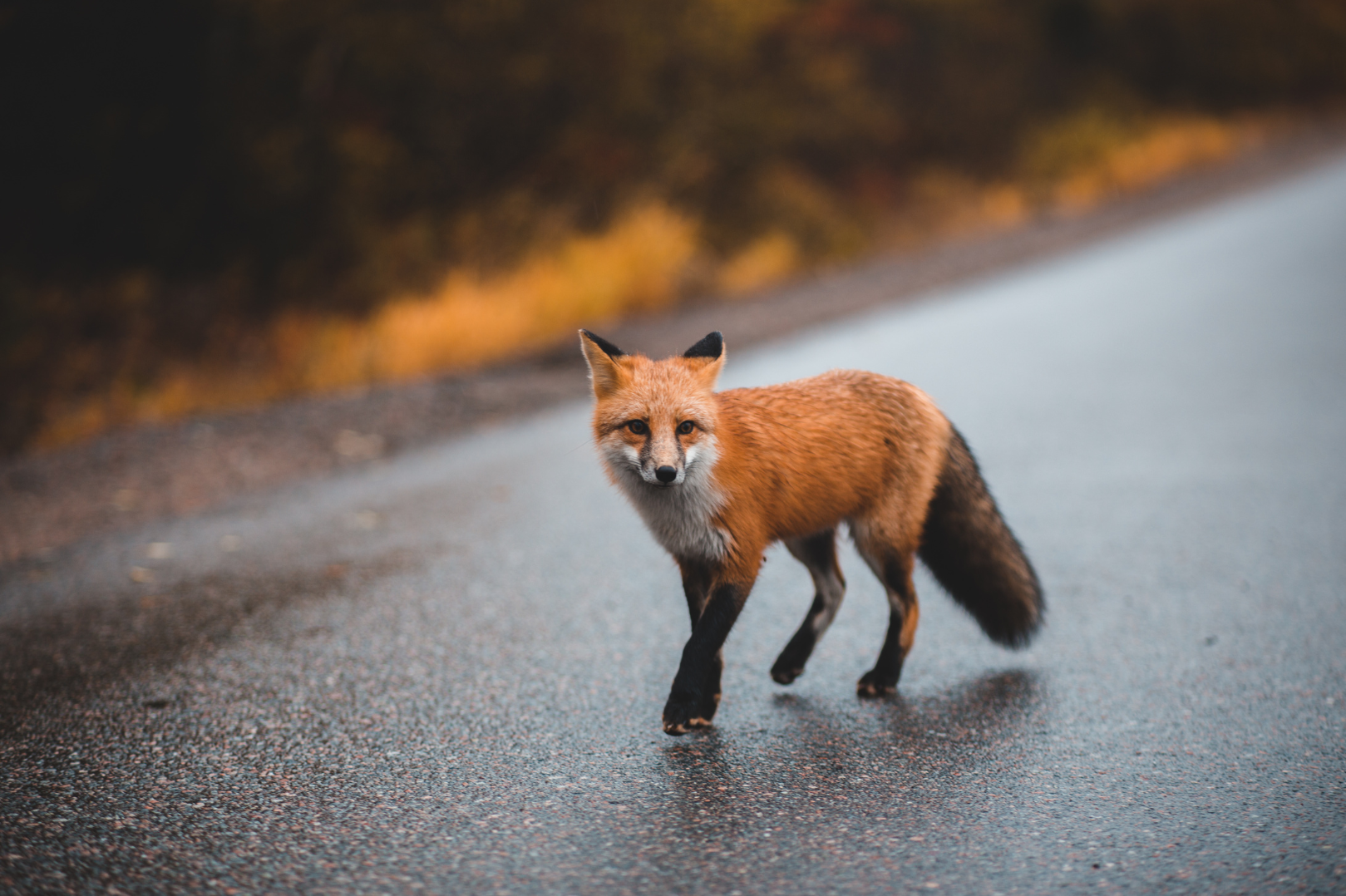
An Animal in the Roadway Is an Accident Forming in Real Time.
Detection along roads and known crossing corridors gives traffic operations the chance to warn drivers and dispatch response before the collision — not after.
- Continuous monitoring along roads and animal crossing corridors
- Alerts traffic operations in real time to warn drivers
- Response dispatched before the collision, not after
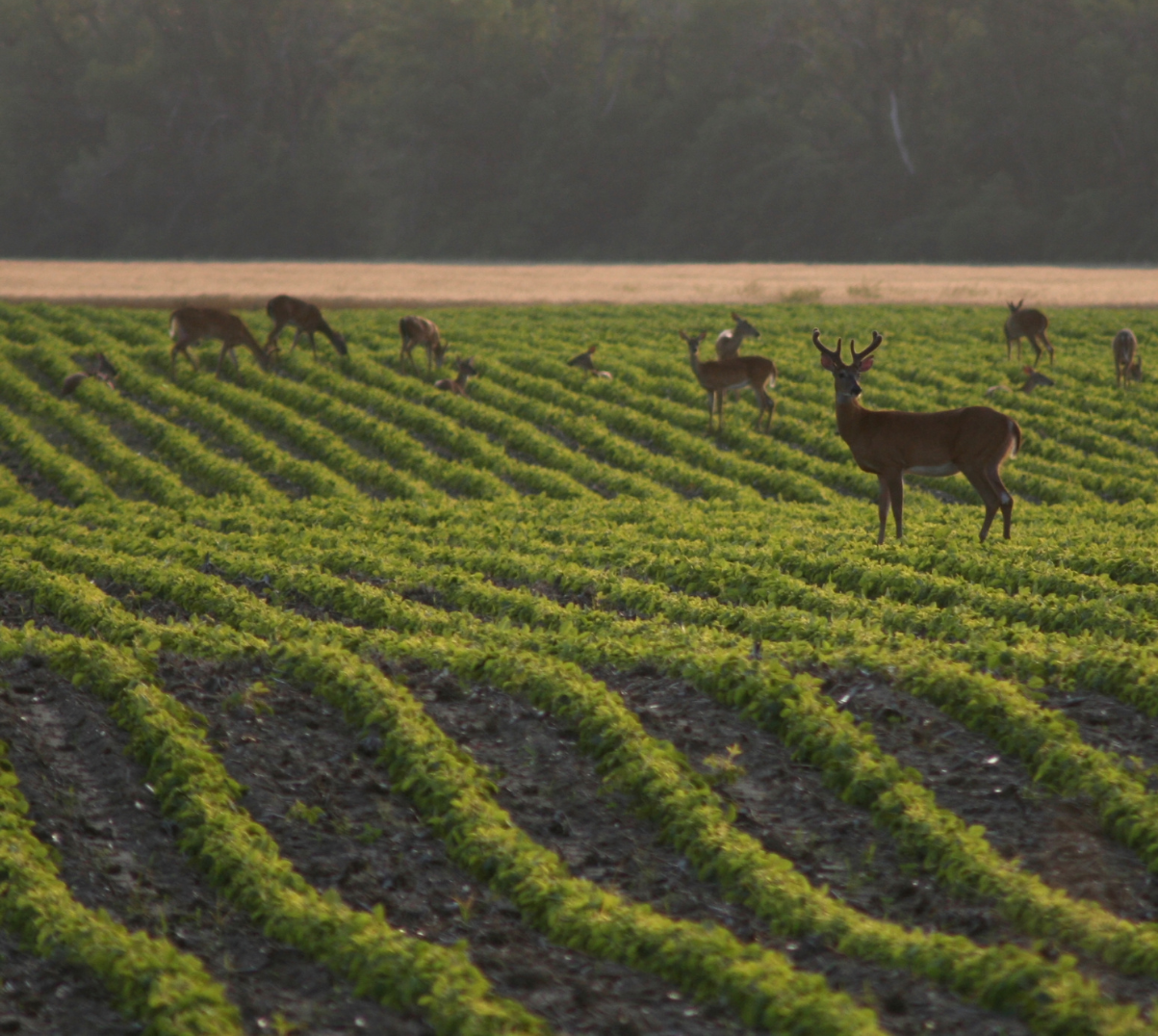
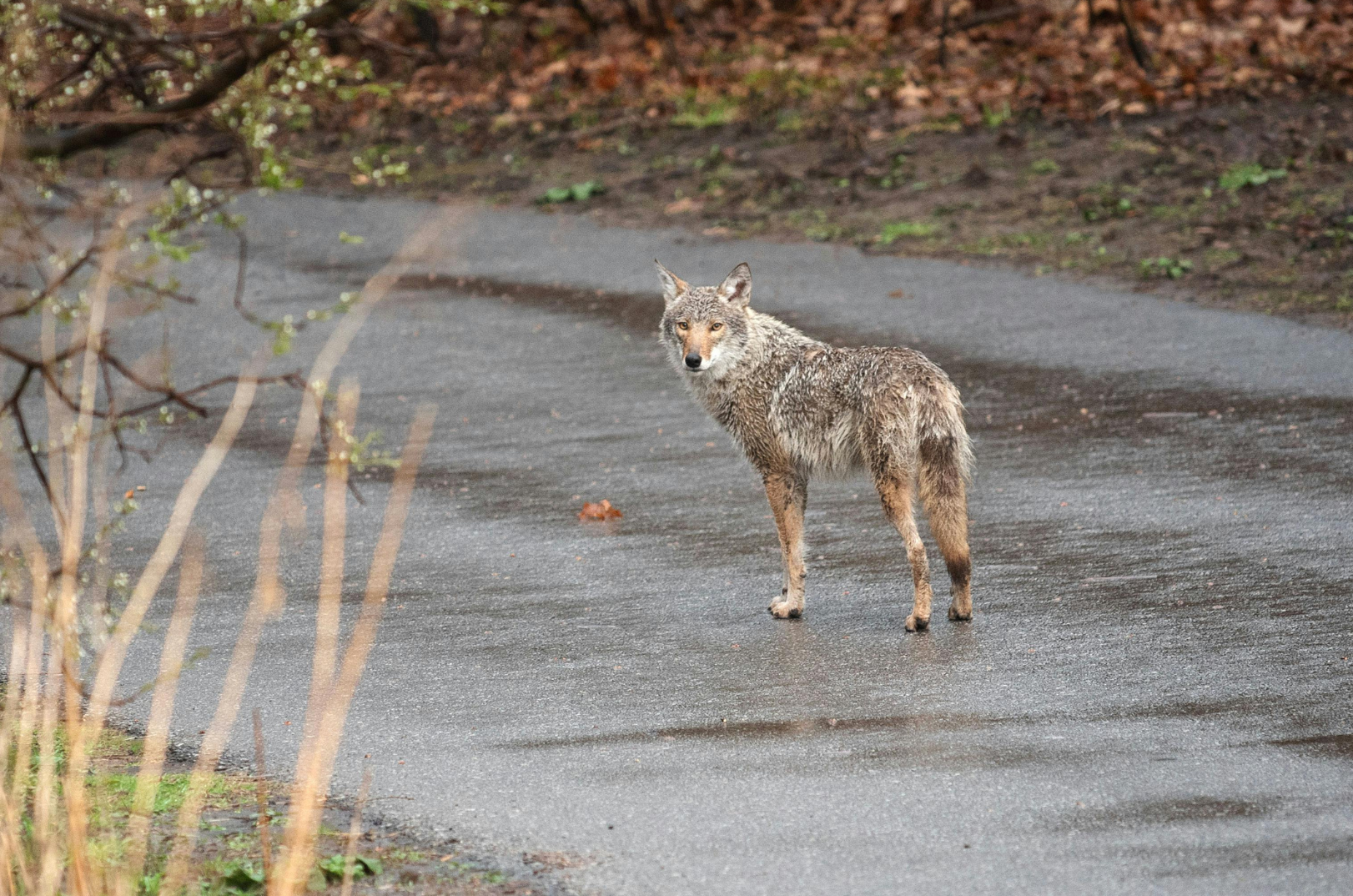
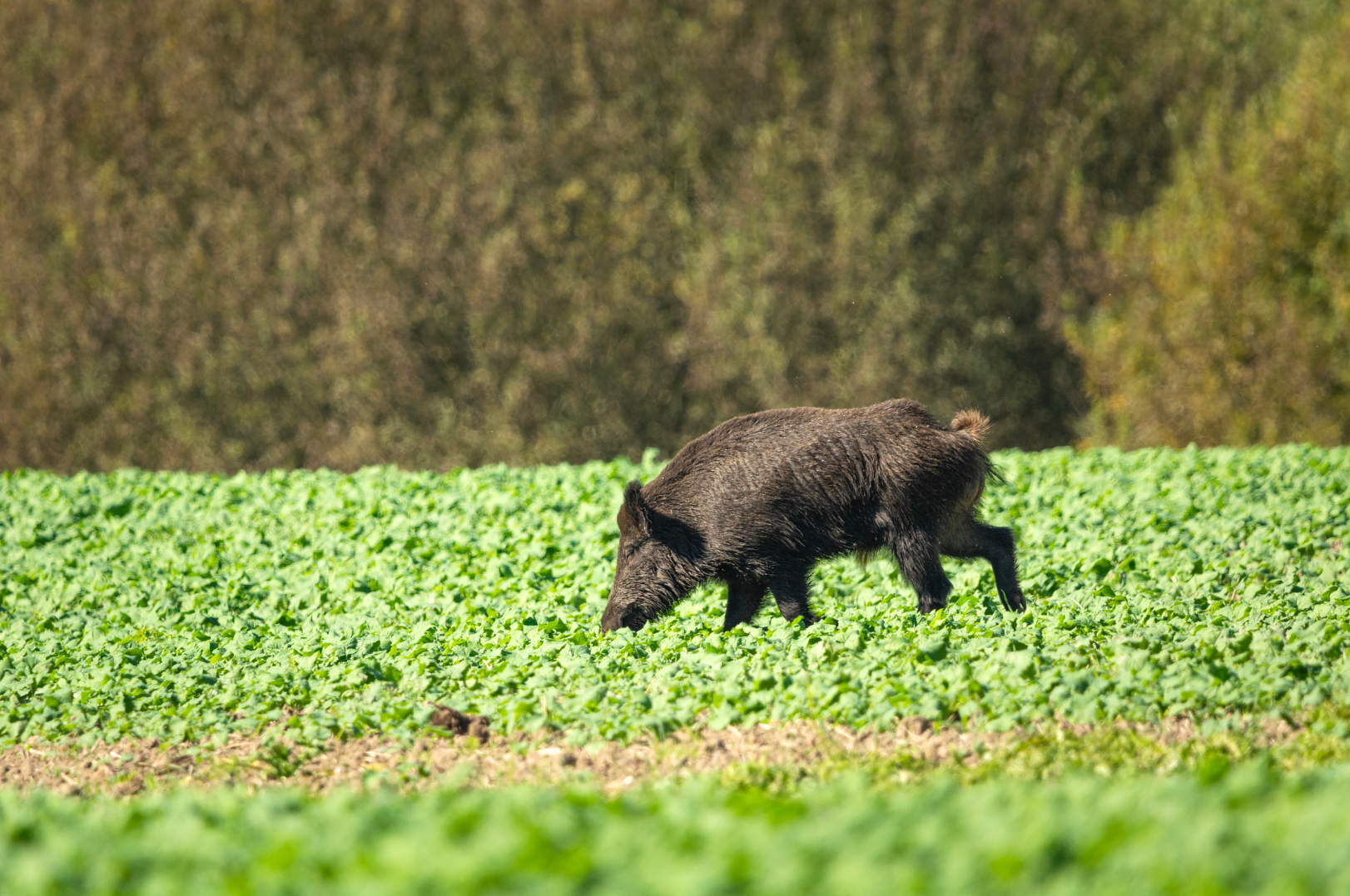
Deer and Hogs Can Erase a Season's Margin Overnight.
Alerts the moment animals enter fields or orchards let crews respond while the damage is still preventable — not at first light when it's already done.
- Detects deer, hogs, and other wildlife entering fields and orchards
- Overnight alerts let crews respond while damage is still preventable
- Audio deterrence over on-site speakers can move animals off without a callout

Hours-Later Discovery Becomes an Immediate, Verified Alert.
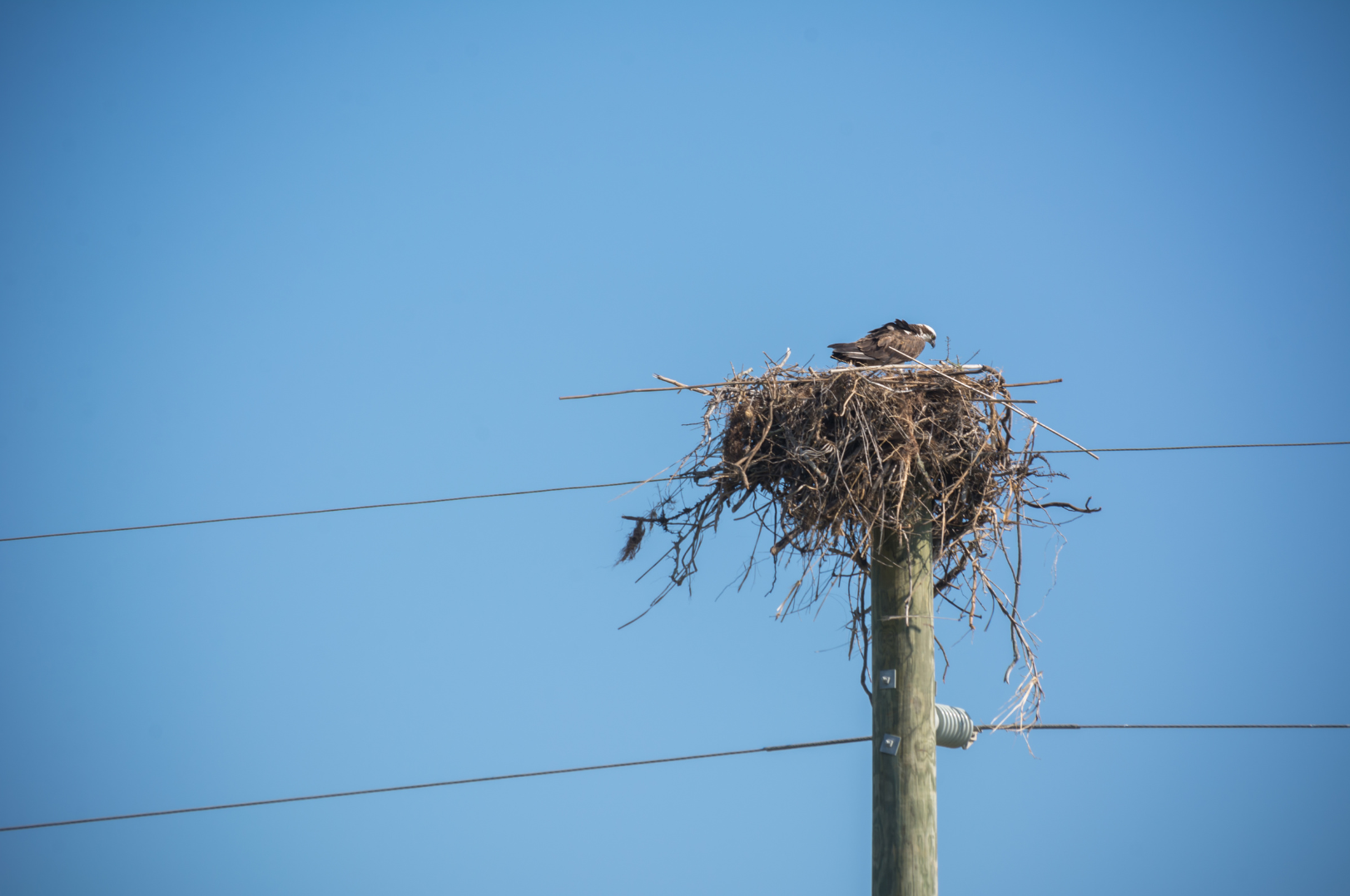
Animals chew cabling, nest in equipment, and cause faults and outages at remote, unmanned sites. Detection means the first person who knows is a live operator — not the crew arriving the next morning.
- Covers remote and unmanned solar and utility installations
- Detects animals before equipment damage or outages occur
- Live operator verifies and alerts facility contacts immediately
Wildlife and Guests Shouldn't Meet Without Warning.
Wildlife wandering onto grounds where guests, students, or players are present is a safety and liability issue. Early alerts let staff manage the encounter before anyone is in danger.
- Covers grounds, paths, fairways, and outdoor common areas
- Early alert gives staff time to redirect people before contact
- Reduces liability from wildlife encounters on managed property

No Patrol Can Watch Every Mile of Track. Cameras Can.
Animals on the right-of-way cause strikes, delays, and derailment risk. Camera-based detection provides continuous coverage along stretches no crew can monitor in person.
- Continuous coverage along right-of-way corridors
- Alerts operations in time to slow trains or dispatch response
- Reduces animal strike risk, delays, and derailment liability
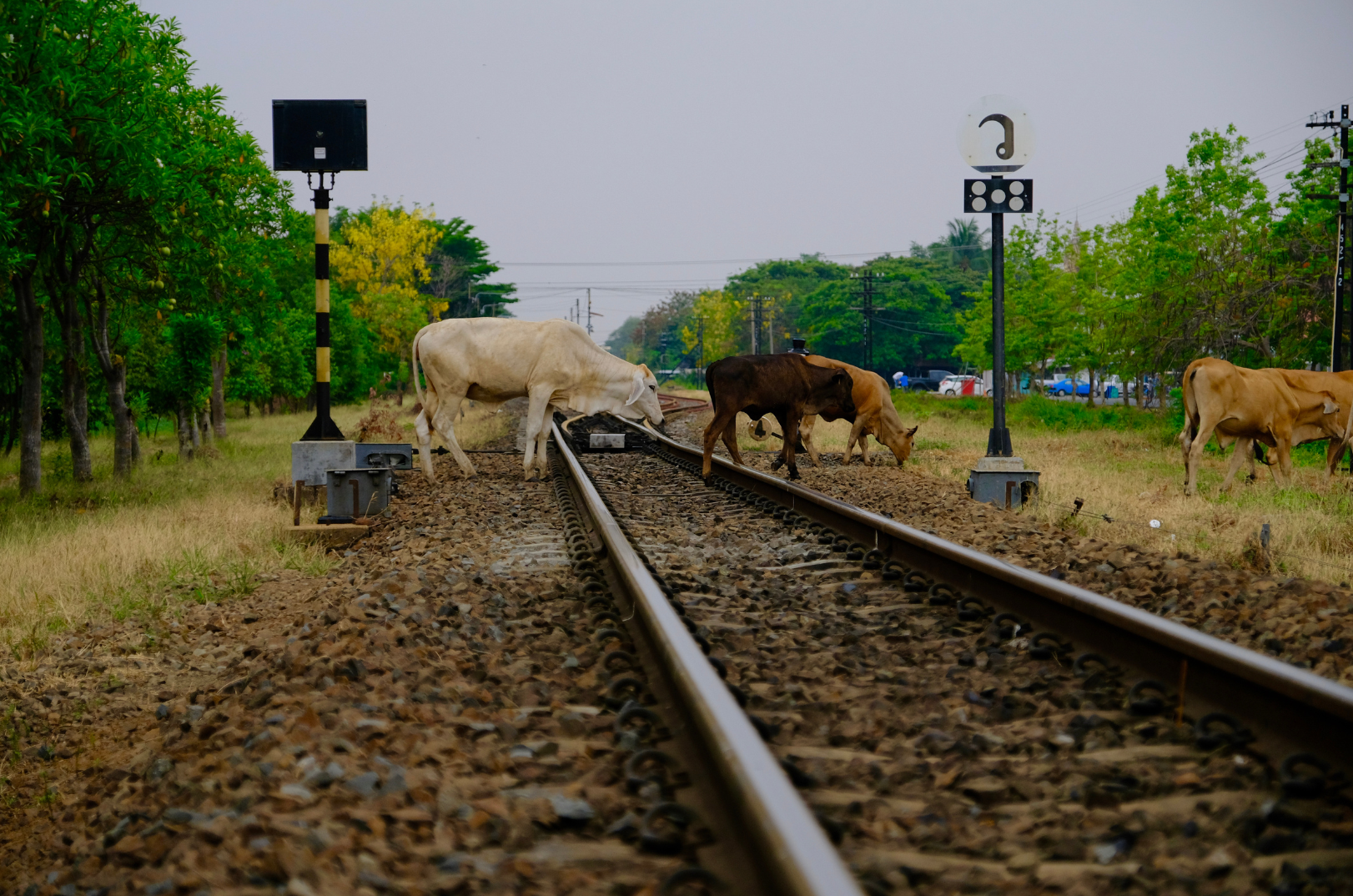
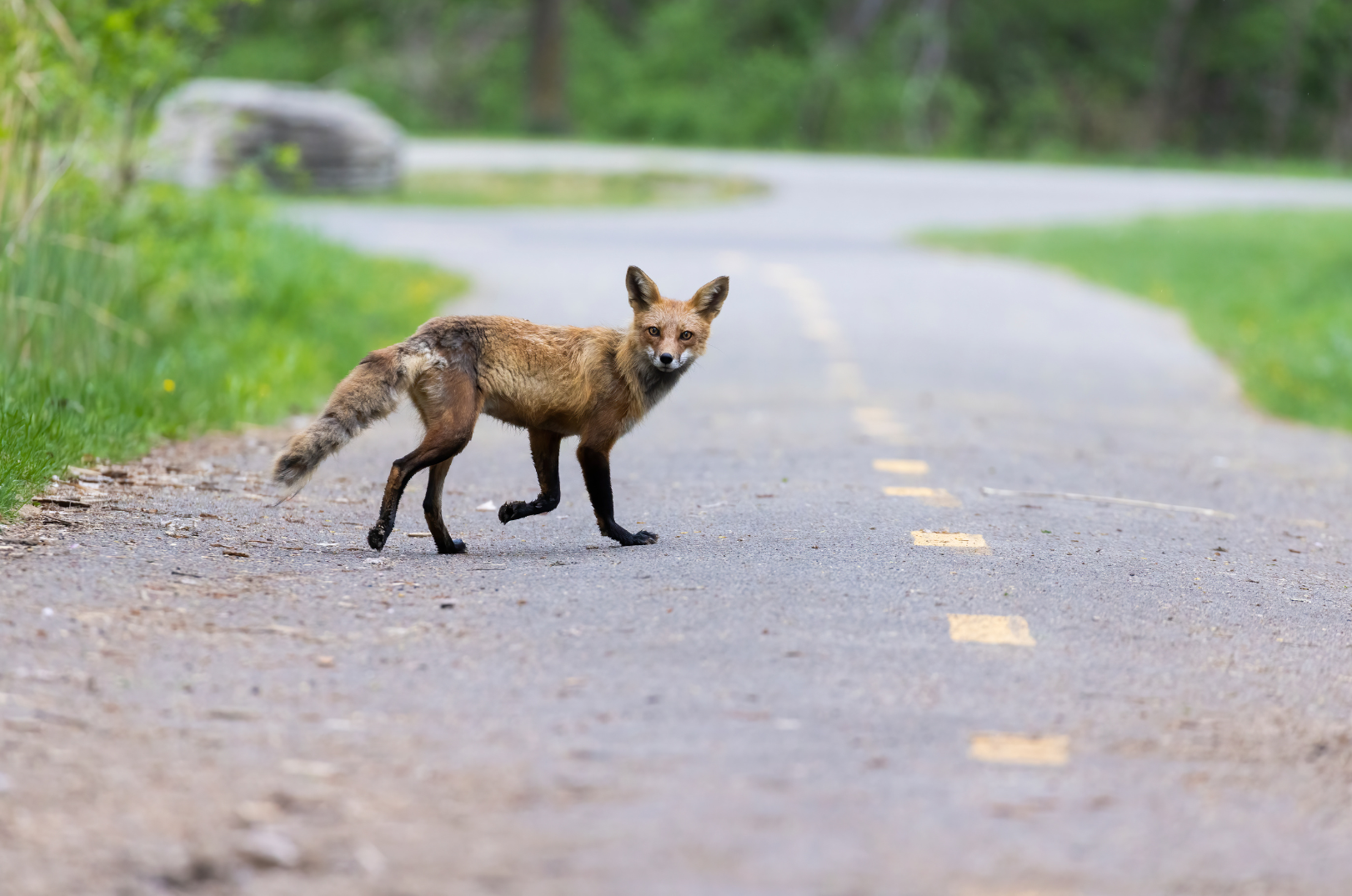
Residents on Walking Paths Shouldn't Meet a Coyote Without Warning.
Detection on walking paths, courtyards, and campus perimeters gives staff warning to bring residents inside and manage the situation calmly — before anyone is startled or hurt.
- Covers walking paths, courtyards, and campus perimeters
- Early warning lets staff respond before residents encounter wildlife
- Calm, managed response instead of reactive emergency
Detection
An animal is detected and the event streams to Clear Watch's 24/7 live monitoring operators.
Verify
Operators verify what's on camera and assess the situation.
Staff Contacted
Your on-site staff or facility contacts are alerted.
Audio Deterrence
Audio deterrence is issued over on-site speakers to move animals off before damage occurs.
How It Works

Detection
An animal is detected and the event streams to Clear Watch's 24/7 live monitoring operators.
Verify
Operators verify what's on camera and assess the situation.

Audio Deterrence
Audio deterrence is issued over on-site speakers to move animals off before damage occurs.

Staff Contacted
Your on-site staff or facility contacts are alerted.

Dispatch If Needed
When needed, operators escalate to the appropriate responders — animal control, traffic operations, or emergency dispatch including direct digital 911 delivery when an animal poses an immediate danger to people.

Dispatch If Needed
When needed, operators escalate to the appropriate responders — animal control, traffic operations, or emergency dispatch including direct digital 911 delivery when an animal poses an immediate danger to people.
FAQs
-
No — a filtering process is applied specifically so vegetation movement and shadows don't trigger events in outdoor installations, and the Hybrid AI Boost version extends that filtering to small objects blowing through the scene. Live operators verify alerts before anyone is contacted.
-
Yes. Outdoor overnight hours are exactly when animal activity peaks, and the detection is designed for those conditions — including the enhanced Hybrid AI Boost version, which is tuned to keep alarms reliable in low-light outdoor scenes.
-
Yes — the detection is specifically for animals appearing in the monitored area, so it doesn't duplicate your intrusion or perimeter alerts. Many sites run animal detection alongside intrusion detection on the same cameras, each generating its own distinct events.
Don’t Wait To Discover the Damage
GET STARTED
Talk to a Clear Watch specialist about adding Animal Detection to your existing outdoor cameras — and turning overnight animal activity from a morning surprise into a real-time response.